Tracking Your Baby’s Weight and Measurements

What makes a baby big or small? The following are some of the most common causes:
Large Babies: An infant can be born large when the parents are large or the mother is overweight. There is also a greater likelihood of a large newborn due to factors such as:
- The pregnancy lasting longer than forty-two weeks
’The fetus’s growth over stimulated in the uterus
’Fetal chromosomal abnormalities
’Weight gain during pregnancy
’The mother’s ethnicity
’The mother having diabetes before or during pregnancy
’The mother having given birth to other children
’Having a boy
Large infants may have metabolic abnormalities (such as low blood sugar and calcium), traumatic birth injuries, higher hemoglobin levels, jaundice, or various congenital abnormalities. Almost one-third of large babies initially have feeding difficulties. Your pediatrician will keep a close watch on these issues.
Small Babies: A baby may be born small for a number of reasons, including:
’Being born early (preterm)
’Being born to small parents
’The mother’s ethnicity
’Fetal chromosomal abnormalities
’The mother’s chronic diseases such as high blood pressure, or heart or kidney disease
’Malnutrition
’The mother’s substance abuse during pregnancy
A small baby may need to have his temperature, glucose, and hemoglobin level closely monitored. After birth, the pediatrician will thoroughly evaluate a small infant and decide when he is ready to go home.
To determine how your baby’s measurements compare with those of other babies born after the same length of pregnancy, your pediatrician will refer to a growth chart.
Growth charts examine length and weight in boys and girls, from birth to thirty-six months. They are followed by body mass index for age charts for boys and girls, ages two to twenty years. (Body mass index, or BMI, is a measure of weight in relation to height.)
Eighty out of every one hundred babies born at forty weeks of pregnancy, or full term, weigh between 5 pounds 11-1⁄2 ounces (2.6 kg) and 8 pounds 5-3⁄4 ounces (3.8 kg). This is a healthy average. Those above the ninetieth percentile on the chart are considered large, and those below the tenth percentile are regarded as small. Keep in mind that these early weight designations (large or small) do not predict whether a child will be above or below average when he grows up, but they do help the hospital staff determine whether he needs extra attention during the first few days after birth.
At every physical exam, beginning with the first one after birth, the pediatrician will routinely measure the baby’s length, weight, and head circumference (the distance around his head) and will plot them on growth charts. In a healthy, well-nourished infant, these three important measurements should increase at a predictable rate. Any interruption in this rate can help the doctor better detect and address any feeding, developmental, or medical issues.
Last Updated 8/1/2009
Source Adapted from Caring for Your Baby and Young Child: Birth to Age Five (Copyright © 2009 American Academy of Pediatrics)
The information contained on this Web site should not be used as a substitute for the medical care and advice of your pediatrician. There may be variations in treatment that your pediatrician may recommend based on individual facts and circumstances.
Tips for Grandparents of a Newborn

As a grandparent, your role can be especially important in the lives of not only your newborn grandchild and his parents, but also the other children in the family.
Give the New Big Brother or New Big Sister Attention
Make sure you pay plenty of attention to the older sibling(s), who might feel a little neglected with all the attention showered on the baby. You can serve as a “pinch hitter” when the new parents are adjusting to their infant by planning some special activities just for you and the baby’s older brother(s) or sister(s). For example, make time for the sibling(s) with:
Trips to the store or other activities
- Car rides
- Appropriate stimulating times with music or reading stories
- Sleepovers at Grandma’s house
- Help Your Daughter or Son Adjust
- You can play other important roles to help your daughter or son adjust to the new addition to their family. Help them with cleaning, shopping, and other errands.
Share Your Wisdom
At the same time, without being overly intrusive, pass along some of your own wisdom and reassurances about baby care. For example:
- Explain the “normalness” of crying
- The color of bowel movements
- Little rashes or other changes in skin color
There will be times of frustration for the new parents, such as when the baby is crying excessively and is difficult to console. Provide support and encouragement for the parents—and give them a breather, if possible, by taking the baby out for a stroll in the carriage. The insights and assistance of both grandfathers and grandmothers can have a calming and “life-saving” effect on new parents.
Last Updated 9/23/2015
Source Caring for Your Baby and Young Child: Birth to Age 5, 6th Edition (Copyright © 2015 American Academy of Pediatrics)
The information contained on this Web site should not be used as a substitute for the medical care and advice of your pediatrician. There may be variations in treatment that your pediatrician may recommend based on individual facts and circumstances.
The Many Colors of Poop

Long after adjusting to parenthood and your role as principal poop watcher and wiper, you may still find yourself fretting over changes in the color of your baby’s poop. In reality, once your baby has pooped enough to get rid of the tarry meconium, all the varying shades of yellow, brown, and even green are considered perfectly acceptable. Mustardy yellow is the color of choice for most breastfed babies, and yellow-tan with hints of green for those who are formula-fed. Being presented with a changing palette of colors is not uncommon, however, particularly later on down the road when your baby is introduced to such things as solid foods and snotty nose colds, both of which can add new shades and substance to the mix.
Black, White, and Shades of Red
There are a few colors of baby poop that, should you see them, always warrant discussion with your baby’s doctor.
- Red.Seeing red can mean blood, especially in the newborn period when your baby isn’t eating or drinking anything red-colored that could be mistaken for blood when it comes out the other end. Blood should not signal you to panic immediately, but you should bring it to the attention of your pediatrician, who will be able to help you sort out the cause. It is possible for babies to swallow some blood during delivery that presents itself shortly thereafter—either in the baby’s spit-up or poop—but, nevertheless, any amount of bloody poop should be evaluated because it can also be a sign of a problem.
- Black.Black-colored poop sometimes represents old blood because blood is known to turn from red to black over time in the intestinal tract. Remember that this black color alert does not apply to your baby’s first few meconium bowel movements, which you can fully expect to be black and tarry looking.
- White. White poop is quite rare, but needs to be brought to the attention of a doctor ASAP because it can be caused by an underlying liver problem. The earlier it is addressed, the better—either for peace of mind or medical management.
Author Laura A. Jana, MD, FAAP and Jennifer Shu, MD, FAAP
Last Updated 11/2/2009
Source Heading Home With Your Newborn, 2nd Edition (Copyright © 2010 American Academy of Pediatrics)
The information contained on this Web site should not be used as a substitute for the medical care and advice of your pediatrician. There may be variations in treatment that your pediatrician may recommend based on individual facts and circumstances.
Gender Identity Development in Children(Part3)

How have gender stereotypes changed over time?
Our expectations of “what girls do” and “what boys do” have changed. Many female athletes excel at their sports. Girls increasingly pursue subjects traditionally thought of as “masculine.” There are many famous male chefs, artists, and musicians―fields traditionally thought of as “feminine.” Over time, society has recognized that stereotypes of “masculine” and “feminine” activities and behaviors are inaccurate and limiting to a child’s development. Such interests also do not determine or influence one’s gender identity. Furthermore, our ability to predict who a child is based on early preferences is not very accurate and may be harmful if it leads to shame or attempts at suppressing their skills, talents, and genuine self.
Still, when a child’s interests and abilities are different from what society expects, they may be subjected to discrimination and bullying. It is natural for parents to have gender-based expectations for their children and to want to protect them from criticism and exclusion. Instead of pushing children to conform to these pressures and to limit themselves, parents can play an important role in advocating for safe spaces where their children can feel comfortable and good about themselves.
If your child doesn’t excel in sports or even have an interest in them, for example, there will still be many other opportunities and areas in which he or she can thrive. Regardless of gender identity, each child has his or her own strengths that may not always conform to society’s or your own expectations, but they will still be a source of current and future success.
Remember…
Gender development is a normal process for all children. Some children will exhibit variations―similar to all areas of human health and behavior. However, all children need support, love, and care from family, school, and society, which fosters growth into happy and healthy adults.
About Dr. Rafferty:
Jason RaffertyJason Rafferty, MD, MPH, EdM, FAAP, is a “Triple Board” residency graduate who is pediatrician and child psychiatrist at Thundermist Health Centers, a Patient-Centered Medical Home in Rhode Island. He specializes in adolescent substance use disorders and gender and sexual development, and also practices in related specialty clinics at Hasbro Children’s Hospital and Emma Pendleton Bradley Hospital. Dr. Rafferty is an advocate in his local community and on a national level through work with the American Academy of Pediatrics on issues including the emotional health of young men, access to care for LGBTQ youth, and prevention of childhood homelessness.
Last Updated 9/18/2018
Source American Academy of Pediatrics (Copyright © 2018)
The information contained on this Web site should not be used as a substitute for the medical care and advice of your pediatrician. There may be variations in treatment that your pediatrician may recommend based on individual facts and circumstances.
Gender Identity Development in Children(Part2)
What parents can do:
All children need the opportunity to explore different gender roles and different styles of play. Parents can make sure their young child’s environment reflects diversity in gender roles and encourages opportunities for everyone. Some ideas would be to offer:
- Children’s books or puzzles showing men and women in non-stereotypical and diverse gender roles (stay-at-home dads, working moms, male nurses, and female police officers, for example).
- A wide range of toys for your child to choose from, including baby dolls, toy vehicles, action figures, blocks, etc.
- By age six, most children spend most of their playtime with members of their own sex and may gravitate towards sports and other activities that are associated with their gender. It is important to allow children to make choices regarding friend groups, sports, and other activities they get involved in. It is also a good idea to check in with your child to learn about their preferences and to make sure they feel included without teasing or bullying.
How do children typically express their gender identity?
In addition to their choices of toys, games, and sports, children typically express their gender identity in the following ways:
- Clothing or hairstyle
- Preferred name or nickname
- Social behavior that reflects varying degrees of aggression, dominance, dependency, and gentleness.
- Manner and style of behavior and physical gestures and other nonverbal actions identified as masculine or feminine.
- Social relationships, including the gender of friends, and the people he or she decides to imitate.
While a child’s gender-specific behavior (i.e. gender expression) at any time seems to be influenced by exposure to stereotypes and their identification with the people in their lives, the internal sense of being a girl, boy, in between or something else (i.e. gender identity) cannot be changed.
Last Updated 9/18/2018
Source American Academy of Pediatrics (Copyright © 2018)
The information contained on this Web site should not be used as a substitute for the medical care and advice of your pediatrician. There may be variations in treatment that your pediatrician may recommend based on individual facts and circumstances.
Gender Identity Development in Children(Part1)

By: Jason Rafferty MD, MPH, EdM, FAAP
There are many ways parents can promote healthy gender development in children. It helps to understand gender identity and how it forms.
What’s the difference between gender and sex?
Being a boy or a girl, for most children, is something that feels very natural. At birth, babies are assigned male or female based on physical characteristics. This refers to the “sex” or “assigned gender” of the child. Meanwhile, “gender identity” refers to an internal sense people have of who they are that comes from an interaction of biological traits, developmental influences, and environmental conditions. This may be male, female, somewhere in between, a combination of both or neither.
Self-recognition of gender identity develops over time, much the same way a child’s physical body does. Most children’s asserted gender identity aligns with their assigned gender (sex). However, for some children, the match between their assigned gender and gender identity is not so clear.
How does gender identity develop in children?
Gender identity typically develops in stages:
- Around age two: Children become conscious of the physical differences between boys and girls.
- Before their third birthday: Most children can easily label themselves as either a boy or a girl.
- By age four: Most children have a stable sense of their gender identity.
During this same time of life, children learn gender role behavior—that is, doing “things that boys do” or “things that girls do.” However, cross-gender preferences and play are a normal part of gender development and exploration regardless of their future gender identity. See The Power of Play – How Fun and Games Help Children Thrive.
The point is that all children tend to develop a clearer view of themselves and their gender over time. At any point, research suggests that children who assert a gender-diverse identity know their gender as clearly and consistently as their developmentally matched peers and benefit from the same level of support, love, and social acceptance.
Last Updated 9/18/2018
Source American Academy of Pediatrics (Copyright © 2018)
The information contained on this Web site should not be used as a substitute for the medical care and advice of your pediatrician. There may be variations in treatment that your pediatrician may recommend based on individual facts and circumstances.
Your Baby’s Head

This topic is particularly directed toward those of you who have been mistakenly led to believe that all newborns are born picture perfect with pretty little round heads. Let us just say that for anyone who has gone through or will experience vaginal delivery, it is nothing short of a blessing that a baby’s skull is made up of soft bony plates that are capable of compressing and overlapping to fit through the narrow birth canal—a process referred to as molding.
For some babies—such as those who “drop” well in advance of being born (in other words, settle themselves head first deep into their mother’s pelvis well in advance of delivery), or those who must endure long labors and narrow birth canals—the result is often a newborn head shape that more closely resembles a cone than a nice round ball.
If you run your fingers over your newborn’s skull, you may also find that you can feel ridges along the areas where the bony plates of the skull have overlapped. In short, cone heads are quite normal. Fortunately, over the next several weeks the bones of your baby’s skull will almost assuredly round out and the ridges will disappear, assuming, that is, that your baby doesn’t spend too much time on his back with his head in any one position—a common but easily avoidable cause for the development of a flat back or side of the head known as plagiocephaly.
The Soft Spot
You will notice 1 if not 2 areas on your baby’s head that seem to be lacking bony protection. These soft spots, referred to as fontanelles (anterior for the larger one in the front, posterior for the smaller and typically less noticeable one in the back), are normal gaps in a newborn’s skull that will allow your baby’s brain to grow rapidly throughout the next year. Many parents are afraid to touch these soft spots, but you can rest assured that, despite their lack of a bony layer, they are well protected from typical day-to-day baby handling. Other things to know about the soft spot(s) include:
- In young infants, a sunken soft spot (when combined with poor feeding and dry diapers) can suggest dehydration. Our advice to you: Don’t read too much into this because it can be a subtle finding or sometimes be present in normal babies. Instead, make sure you have a good grasp on how to recognize dehydration and check with your doctor if you have any concerns—with or without a sunken soft spot.
- IIn some instances, the soft spot on the top of your baby’s head may seem to be pulsating. There is no need to worry—this movement is quite normal and simply reflects the visible pulsing of blood that corresponds to your baby’s heartbeat.
Bumps and Bruises
In addition to molding, it is not uncommon for newborns to have a bit of swelling or bruising of the scalp immediately following delivery. The swelling usually is most noticeable at the top back part of the head and is medically referred to as a caput (short for caput succedaneum). When bruising of the head occurs during delivery, the result can be a boggy-feeling area, called a cephalohematoma. Bruising and swelling are usually harmless and go away on their own over the first days and weeks of life, but can be a contributing factor for jaundice.
Gone Today, but Hair Tomorrow
Sure, babies are sometimes born with full heads of hair, but it’s far more likely for them to be born with little to none. And those with hair today are likely to find it gone tomorrow. That’s because any hair your baby is born with is likely to thin out significantly over the next few months before ultimately being replaced with “real” hair. It is also entirely possible that whatever hair your newborn does have will change color by several shades and several times over his lifetime.
Last Updated 6/1/2010
Source Heading Home With Your Newborn, 2nd Edition (Copyright © 2010 American Academy of Pediatrics)
The information contained on this Web site should not be used as a substitute for the medical care and advice of your pediatrician. There may be variations in treatment that your pediatrician may recommend based on individual facts and circumstances.
Your Baby’s First Smile

A few of the most important developments during the first month are your baby’s first smiles and giggles. These start during sleep, for reasons that are not understood. They may be a signal that the baby feels aroused in some way or is responding to some internal impulse. While it’s great fun to watch a newborn smile her way through a nap, the real joy comes near the end of this month when she begins to grin back at you during her alert periods.
Those first loving smiles will help you tune in even more closely to each other, and you’ll soon discover that you can predict when your baby will smile, look at you, make sounds, and, equally important, pause for time-out from play. Gradually you’ll recognize each other’s patterns of responsiveness so that your play together becomes a kind of dance in which you take turns leading and following. By identifying and responding to your child’s subtle signals, even at this young age, you are telling her that her thoughts and feelings are important and that she can affect the world around her. These messages are vital to her developing self-esteem and sense of fun.
Last Updated 11/2/2009
Source Caring for Your Baby and Young Child: Birth to Age 5 (Copyright © 2009 American Academy of Pediatrics)
The information contained on this Web site should not be used as a substitute for the medical care and advice of your pediatrician. There may be variations in treatment that your pediatrician may recommend based on individual facts and circumstances.
Helping Your Child Develop A Healthy Sense of Self Esteem(Part2)

A sense of contribution.
Your child will develop a sense of importance and commitment if you give her opportunities to participate and contribute in a meaningful way to an activity. Let her know that she really counts.
A sense of making real choices and decisions.
Your child will feel empowered and in control of events when she is able to make or influence decisions that she considers important. These choices and decisions need to be appropriate for her age and abilities, and for the family’s values.
A sense of self-discipline and self-control.
As your child is striving to achieve and gain more independence, she needs and wants to feel that she can make it on her own. Once you give her expectations, guidelines, and opportunities in which to test herself, she can reflect, reason, problem-solve and consider the consequences of the actions she may choose. This kind of self-awareness is critical for her future growth.
A sense of encouragement, support and reward.
Not only does your child need to achieve, but she also needs positive feedback and recognition – a real message that she is doing well, pleasing others and “making it.” Encourage and praise her, not only for achieving a set goal but also for her efforts, and for even small increments of change and improvement. (“I like the way you waited for your turn,” “Good try; you’re working harder,” “Good girl!”) Give her feedback as soon as possible to reinforce her self-esteem and to help her connect your comments to the activity involved.
A sense of accepting mistakes and failure.
Your child needs to feel comfortable, not defeated, when she makes mistakes or fails. Explain that these hurdles or setbacks are a normal part of living and learning, and that she can learn or benefit from them. Let your supportive, constructive feedback and your recognition of her effort overpower any sense of failure, guilt, or shame she might be feeling, giving her renewed motivation and hope. Again, make your feedback specific (“If you throw the ball like this, it might help”) and not negative and personal (“You are so clumsy,” “You’ll never make it”).
A sense of family self-esteem.
Your child’s self-esteem initially develops within the family and thus is influenced greatly by the feelings and perceptions that a family has of itself. Some of the preceding comments apply to the family in building its self-esteem. Also, bear in mind that family pride is essential to self-esteem and can be nourished and maintained in many ways, including participation or involvement in community activities, tracing a family’s heritage and ancestors, or caring for extended family members. Families fare better when members focus on each other’s strengths, avoid excessive criticism and stick up for one another outside the family setting. Family members believe in and trust each other, respect their individual differences and show their affection for each other. They make time for being together, whether to share holidays, special events or just to have fun.
Last Updated 11/2/2009
Source Caring for Your School-Age Child: Ages 5 to 12 (Copyright © 2004 American Academy of Pediatrics)
The information contained on this Web site should not be used as a substitute for the medical care and advice of your pediatrician. There may be variations in treatment that your pediatrician may recommend based on individual facts and circumstances.
Helping Your Child Develop A Healthy Sense of Self Esteem(Part1)
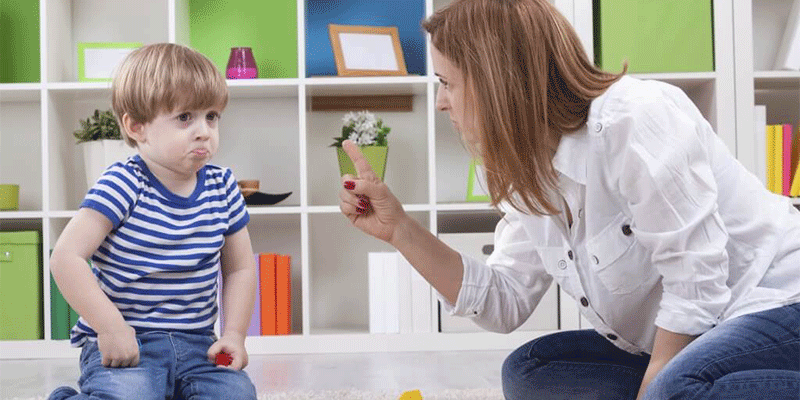
How can we help our child develop a healthy sense of self-esteem?
By definition, self-esteem is the way in which an individual perceives herself-in other words, her own thoughts and feelings about herself and her ability to achieve in ways that are important to her. This self-esteem is shaped not only by a child’s own perceptions and expectations, but also by the perceptions and expectations of significant people in her life-how she is thought of and treated by parents, teachers and friends. The closer her perceived self (how she sees herself) comes to her ideal self (how she would like to be), the higher her self-esteem.
For healthy self-esteem, children need to develop or acquire some or all of the following characteristics:
A sense of security.
Your child must feel secure about herself and her future. (“What will become of me?”)
A sense of belonging.
Your youngster needs to feel accepted and loved by others, beginning with the family and then extending to groups such as friends, schoolmates, sports teams, a church or temple and even a neighborhood or community. Without this acceptance or group identity, she may feel rejected, lonely, and adrift without a “home,” “family” or “group.”
A sense of purpose.
Your child should have goals that give her purpose and direction and an avenue for channeling her energy toward achievement and self-expression. If she lacks a sense of purpose, she may feel bored, aimless, even resentful at being pushed in certain directions by you or others.
A sense of personal competence and pride.
Your child should feel confident in her ability to meet the challenges in her life. This sense of personal power evolves from having successful life experiences in solving problems independently, being creative and getting results for her efforts. Setting appropriate expectations, not too low and not too high, is critical to developing competence and confidence. If you are overprotecting her, and if she is too dependent on you, or if expectations are so high she never succeeds, she may feel powerless and incapable of controlling the circumstances in her life.
A sense of trust.
Your child needs to feel trust in you and in herself. Toward this goal, you should keep promises, be supportive and give your child opportunities to be trustworthy. This means believing your child, and treating her as an honest person.
A sense of responsibility.
Give your child a chance to show what she is capable of doing. Allow her to take on tasks without being checked on all the time. This shows trust on your part, a sort of “letting go” with a sense of faith.
Last Updated 11/2/2009
Source Caring for Your School-Age Child: Ages 5 to 12 (Copyright © 2004 American Academy of Pediatrics)
The information contained on this Web site should not be used as a substitute for the medical care and advice of your pediatrician. There may be variations in treatment that your pediatrician may recommend based on individual facts and circumstances.
What to do if newborns sleep short of breath
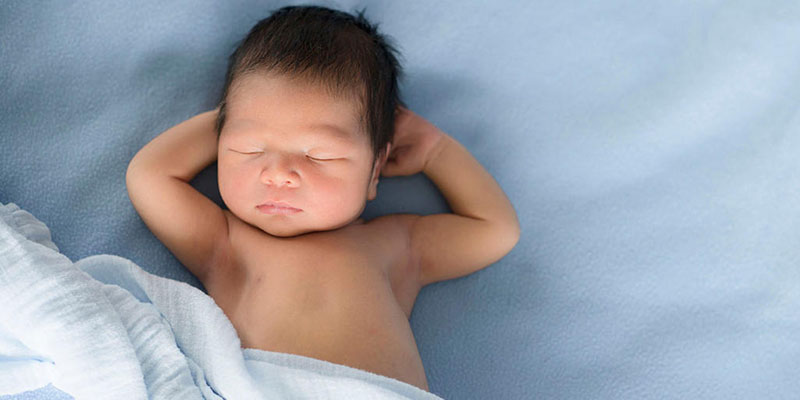
The baby’s shortness of breath during sleep must first be studied and analyzed from many aspects. The most important thing is to observe the baby’s state. If you eat well and sleep soundly, there is nothing wrong with it. It is best to listen to the baby’s breathing frequency. If the baby breathes for one minute See a doctor more than 60 times. Because some neonatal pneumonia can also cause shortness of breath. Pay more attention to whether the baby often chokes on the milk and whether the mouth likes to play with bubbles. These can cause pneumonia. If the situation is serious, it is best not to delay, it is recommended to go to the hospital for a clear check. These mothers can also rest assured.
Because the development of the thorax, lungs, and stomach of newborns is not sound, it is easy to cause food drainage, choking, etc. Some even cause choking, pneumonia, etc., which can cause shortness of breath. In addition, catch a cold and throat inflammation. The same It can also cause shortness of breath, so mothers should pay attention to these conditions when they see these conditions. If the baby’s mental state is good, he can eat, sleep, not cough, and the shortness of breath is not serious, but it is a little bit mild during sleep. The phenomenon will disappear in a while, it should be normal, but if the shortness of breath is severe, or even with cough, then you should pay attention to it. Ask your doctor in time to rule out respiratory problems.
Symptoms of sleep shortness of breath in newborns
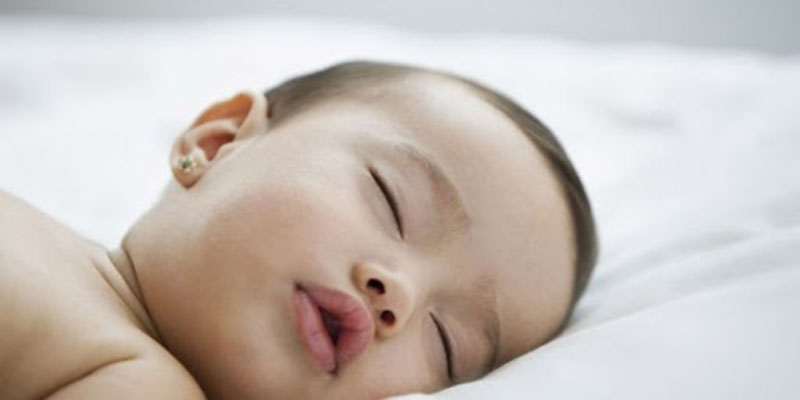
What are the symptoms of sleep shortness of breath in newborns? To observe whether the baby has abnormal breathing, you can simply judge from the following 3 directions:
1. The breathing rate is too fast. The breathing rate of a newborn baby is 40 to 60 beats per minute. As he grows, the breathing rate will slowly decrease, from 20 to 30 beats for infants and about 15 for adults. Abnormal breathing speed may be caused by shortness of breath caused by too fast, or caused by apnea, slow breathing and so on.
2. The depth of breathing is obvious. When resting, the baby’s breathing is smooth, regular, and deep. Once abnormal breathing occurs, the baby will have the performance of breathing very laboriously. We can observe that the baby has a chest depression, that is, there will be a depression at the junction of the lower edge of the ribs and the abdomen, the central sternum depression or the upper sternum and neck The junction is sunken, because the breathing muscles are straining.
The breathing rate of the newborn is faster than that of the adult. If the parents are not at ease, they can pay more attention to the daily observation and count the breathing rate of the newborn frequently. If an abnormality is found, seek medical attention in time.
3. The breathing sound has noise. Breathing murmurs are mostly caused by abnormal breathing caused by increased secretions in the respiratory tract or narrowing of the respiratory tract. There may be nasal flapping, wheezing breathing, etc. When some babies have abnormal breathing, the breathing sound will become loud and noisy, and even wheeze, wheeze and blisters can be heard. Although these abnormal breath sounds can sometimes be heard with the help of a stethoscope, if the sound is obvious, it can be distinguished without a stethoscope.
Experts say that if newborn babies have shortness of breath, in addition to infectious causes, allergies are also one of the reasons.


