Fashion is not just about the clothes we wear; it’s a form of self-expression, an art, and a reflection of our individuality. The world of fashion is constantly evolving, influenced by cultural shifts, societal trends, and personal preferences.
In this blog post, we will explore various aspects of fashion, including the design process, fashion tips, and the power of personal style.
Fashion design is a fascinating blend of creativity and craftsmanship.
Behind every stunning garment lies a meticulous design process. Let’s dive into the four key steps that designers undertake to bring their visions to life:
With the new fashion trends.
We care for the environment at every stage of production
Best quality materials
1
Inspiration
The design process begins with finding inspiration from various sources. It could be anything from nature’s beauty to art, architecture, or even personal experiences. Designers immerse themselves in research, creating mood boards, and collecting swatches of fabric, colors, and textures to fuel their imagination.
2
Conceptualization
Once inspired, designers start translating their ideas into tangible concepts. They sketch rough outlines, experiment with different silhouettes, and envision the overall aesthetic of the collection. They consider factors such as target audience, occasion, and seasonality while conceptualizing their designs.
3
Development
The development stage involves transforming initial sketches into more refined designs. Designers work on pattern-making, fabric selection, and garment construction techniques. They create prototypes or sample pieces to assess the fit, functionality, and overall appearance of their creations. Iterations and adjustments are made to ensure the final product meets the desired standards.
4
Production
The final step in the design process is production, where designers oversee the manufacturing of their designs. This involves sourcing materials, collaborating with manufacturers, and ensuring quality control. Attention to detail is crucial to guarantee that the end product matches the designer’s vision.
Pay Attention to Proportions
Understanding proportion is key to creating well-balanced outfits. Consider the lengths, volumes, and sizes of different clothing pieces when putting together an ensemble.
Pair loose-fitting tops with fitted bottoms or vice versa to create a visually appealing and flattering look.
Fashion Tips: Unlocking Your Style Potential
Understanding your body shape and dressing accordingly can do wonders for your style. Whether you have an hourglass figure, a pear shape, or an athletic build, identify clothing silhouettes that accentuate your best features and create a balanced look.
Experiment with Colors and Patterns
Colors and patterns can add depth and personality to your outfits. Don’t be afraid to mix and match different hues and experiment with patterns to create visually appealing ensembles.
However, be mindful of balancing bold patterns with solid colors to avoid overwhelming your overall look.
Accessorize Thoughtfully
Accessories are the cherry on top of any outfit. They have the power to elevate a simple ensemble or transform an ordinary look into something extraordinary.
Experiment with statement necklaces, scarves, hats, belts, and bags to add flair and express your personal style.
“We make sure that our clothes are ecological. We design clothes that mark the market. We make clothes for the market.“
Marc Cuban
CEO of Loobek
Discovering your personal style requires self-reflection. Take note of the colors, silhouettes, and fabrics you’re naturally drawn to.
Consider your lifestyle, preferences, and the image you want to project through your clothing choices. Experiment with different styles to find what resonates with you.
1
Invest in Versatile Pieces
Building a wardrobe filled with versatile pieces allows for effortless styling and maximizes the potential of your clothing.
2
Stay Updated:
Fashion trends come and go, but staying updated with the latest fashion news and trends can inspire your personal style.
3
Confidence is Key
The most crucial element of personal style is confidence. Wear what makes you feel comfortable, beautiful, and authentic.
Conclusion
Fashion is an ever-evolving art form that allows us to express our uniqueness and creativity. By understanding the design process, incorporating fashion tips, and embracing our personal style, we can unleash our fashion potential and embark on a journey of self-expression. Remember, fashion is not about conforming to trends but about embracing your individuality and feeling empowered through what you wear. So go ahead, experiment, and create your own fashion story. Let your style be a reflection of your beautiful, one-of-a-kind self!
Activewear Wardrobe Essentials for Men
Fashion is not just about the clothes we wear; it’s a form of self-expression, an art, and a reflection of our individuality. The world of fashion is constantly evolving, influenced by cultural shifts, societal trends, and personal preferences.
In this blog post, we will explore various aspects of fashion, including the design process, fashion tips, and the power of personal style.
Fashion design is a fascinating blend of creativity and craftsmanship.
Behind every stunning garment lies a meticulous design process. Let’s dive into the four key steps that designers undertake to bring their visions to life:
With the new fashion trends.
We care for the environment at every stage of production
Best quality materials
1
Inspiration
The design process begins with finding inspiration from various sources. It could be anything from nature’s beauty to art, architecture, or even personal experiences. Designers immerse themselves in research, creating mood boards, and collecting swatches of fabric, colors, and textures to fuel their imagination.
2
Conceptualization
Once inspired, designers start translating their ideas into tangible concepts. They sketch rough outlines, experiment with different silhouettes, and envision the overall aesthetic of the collection. They consider factors such as target audience, occasion, and seasonality while conceptualizing their designs.
3
Development
The development stage involves transforming initial sketches into more refined designs. Designers work on pattern-making, fabric selection, and garment construction techniques. They create prototypes or sample pieces to assess the fit, functionality, and overall appearance of their creations. Iterations and adjustments are made to ensure the final product meets the desired standards.
4
Production
The final step in the design process is production, where designers oversee the manufacturing of their designs. This involves sourcing materials, collaborating with manufacturers, and ensuring quality control. Attention to detail is crucial to guarantee that the end product matches the designer’s vision.
Pay Attention to Proportions
Understanding proportion is key to creating well-balanced outfits. Consider the lengths, volumes, and sizes of different clothing pieces when putting together an ensemble.
Pair loose-fitting tops with fitted bottoms or vice versa to create a visually appealing and flattering look.
Fashion Tips: Unlocking Your Style Potential
Understanding your body shape and dressing accordingly can do wonders for your style. Whether you have an hourglass figure, a pear shape, or an athletic build, identify clothing silhouettes that accentuate your best features and create a balanced look.
Experiment with Colors and Patterns
Colors and patterns can add depth and personality to your outfits. Don’t be afraid to mix and match different hues and experiment with patterns to create visually appealing ensembles.
However, be mindful of balancing bold patterns with solid colors to avoid overwhelming your overall look.
Accessorize Thoughtfully
Accessories are the cherry on top of any outfit. They have the power to elevate a simple ensemble or transform an ordinary look into something extraordinary.
Experiment with statement necklaces, scarves, hats, belts, and bags to add flair and express your personal style.
“We make sure that our clothes are ecological. We design clothes that mark the market. We make clothes for the market.“
Marc Cuban
CEO of Loobek
Discovering your personal style requires self-reflection. Take note of the colors, silhouettes, and fabrics you’re naturally drawn to.
Consider your lifestyle, preferences, and the image you want to project through your clothing choices. Experiment with different styles to find what resonates with you.
1
Invest in Versatile Pieces
Building a wardrobe filled with versatile pieces allows for effortless styling and maximizes the potential of your clothing.
2
Stay Updated:
Fashion trends come and go, but staying updated with the latest fashion news and trends can inspire your personal style.
3
Confidence is Key
The most crucial element of personal style is confidence. Wear what makes you feel comfortable, beautiful, and authentic.
Conclusion
Fashion is an ever-evolving art form that allows us to express our uniqueness and creativity. By understanding the design process, incorporating fashion tips, and embracing our personal style, we can unleash our fashion potential and embark on a journey of self-expression. Remember, fashion is not about conforming to trends but about embracing your individuality and feeling empowered through what you wear. So go ahead, experiment, and create your own fashion story. Let your style be a reflection of your beautiful, one-of-a-kind self!
9 Tips how to dress so as not to look bad
Fashion is not just about the clothes we wear; it’s a form of self-expression, an art, and a reflection of our individuality. The world of fashion is constantly evolving, influenced by cultural shifts, societal trends, and personal preferences.
In this blog post, we will explore various aspects of fashion, including the design process, fashion tips, and the power of personal style.
Fashion design is a fascinating blend of creativity and craftsmanship.
Behind every stunning garment lies a meticulous design process. Let’s dive into the four key steps that designers undertake to bring their visions to life:
With the new fashion trends.
We care for the environment at every stage of production
Best quality materials
1
Inspiration
The design process begins with finding inspiration from various sources. It could be anything from nature’s beauty to art, architecture, or even personal experiences. Designers immerse themselves in research, creating mood boards, and collecting swatches of fabric, colors, and textures to fuel their imagination.
2
Conceptualization
Once inspired, designers start translating their ideas into tangible concepts. They sketch rough outlines, experiment with different silhouettes, and envision the overall aesthetic of the collection. They consider factors such as target audience, occasion, and seasonality while conceptualizing their designs.
3
Development
The development stage involves transforming initial sketches into more refined designs. Designers work on pattern-making, fabric selection, and garment construction techniques. They create prototypes or sample pieces to assess the fit, functionality, and overall appearance of their creations. Iterations and adjustments are made to ensure the final product meets the desired standards.
4
Production
The final step in the design process is production, where designers oversee the manufacturing of their designs. This involves sourcing materials, collaborating with manufacturers, and ensuring quality control. Attention to detail is crucial to guarantee that the end product matches the designer’s vision.
Pay Attention to Proportions
Understanding proportion is key to creating well-balanced outfits. Consider the lengths, volumes, and sizes of different clothing pieces when putting together an ensemble.
Pair loose-fitting tops with fitted bottoms or vice versa to create a visually appealing and flattering look.
Fashion Tips: Unlocking Your Style Potential
Understanding your body shape and dressing accordingly can do wonders for your style. Whether you have an hourglass figure, a pear shape, or an athletic build, identify clothing silhouettes that accentuate your best features and create a balanced look.
Experiment with Colors and Patterns
Colors and patterns can add depth and personality to your outfits. Don’t be afraid to mix and match different hues and experiment with patterns to create visually appealing ensembles.
However, be mindful of balancing bold patterns with solid colors to avoid overwhelming your overall look.
Accessorize Thoughtfully
Accessories are the cherry on top of any outfit. They have the power to elevate a simple ensemble or transform an ordinary look into something extraordinary.
Experiment with statement necklaces, scarves, hats, belts, and bags to add flair and express your personal style.
“We make sure that our clothes are ecological. We design clothes that mark the market. We make clothes for the market.“
Marc Cuban
CEO of Loobek
Discovering your personal style requires self-reflection. Take note of the colors, silhouettes, and fabrics you’re naturally drawn to.
Consider your lifestyle, preferences, and the image you want to project through your clothing choices. Experiment with different styles to find what resonates with you.
1
Invest in Versatile Pieces
Building a wardrobe filled with versatile pieces allows for effortless styling and maximizes the potential of your clothing.
2
Stay Updated:
Fashion trends come and go, but staying updated with the latest fashion news and trends can inspire your personal style.
3
Confidence is Key
The most crucial element of personal style is confidence. Wear what makes you feel comfortable, beautiful, and authentic.
Conclusion
Fashion is an ever-evolving art form that allows us to express our uniqueness and creativity. By understanding the design process, incorporating fashion tips, and embracing our personal style, we can unleash our fashion potential and embark on a journey of self-expression. Remember, fashion is not about conforming to trends but about embracing your individuality and feeling empowered through what you wear. So go ahead, experiment, and create your own fashion story. Let your style be a reflection of your beautiful, one-of-a-kind self!
Fashion at the End of the World
Fashion is not just about the clothes we wear; it’s a form of self-expression, an art, and a reflection of our individuality. The world of fashion is constantly evolving, influenced by cultural shifts, societal trends, and personal preferences.
In this blog post, we will explore various aspects of fashion, including the design process, fashion tips, and the power of personal style.
Fashion design is a fascinating blend of creativity and craftsmanship.
Behind every stunning garment lies a meticulous design process. Let’s dive into the four key steps that designers undertake to bring their visions to life:
With the new fashion trends.
We care for the environment at every stage of production
Best quality materials
1
Inspiration
The design process begins with finding inspiration from various sources. It could be anything from nature’s beauty to art, architecture, or even personal experiences. Designers immerse themselves in research, creating mood boards, and collecting swatches of fabric, colors, and textures to fuel their imagination.
2
Conceptualization
Once inspired, designers start translating their ideas into tangible concepts. They sketch rough outlines, experiment with different silhouettes, and envision the overall aesthetic of the collection. They consider factors such as target audience, occasion, and seasonality while conceptualizing their designs.
3
Development
The development stage involves transforming initial sketches into more refined designs. Designers work on pattern-making, fabric selection, and garment construction techniques. They create prototypes or sample pieces to assess the fit, functionality, and overall appearance of their creations. Iterations and adjustments are made to ensure the final product meets the desired standards.
4
Production
The final step in the design process is production, where designers oversee the manufacturing of their designs. This involves sourcing materials, collaborating with manufacturers, and ensuring quality control. Attention to detail is crucial to guarantee that the end product matches the designer’s vision.
Pay Attention to Proportions
Understanding proportion is key to creating well-balanced outfits. Consider the lengths, volumes, and sizes of different clothing pieces when putting together an ensemble.
Pair loose-fitting tops with fitted bottoms or vice versa to create a visually appealing and flattering look.
Fashion Tips: Unlocking Your Style Potential
Understanding your body shape and dressing accordingly can do wonders for your style. Whether you have an hourglass figure, a pear shape, or an athletic build, identify clothing silhouettes that accentuate your best features and create a balanced look.
Experiment with Colors and Patterns
Colors and patterns can add depth and personality to your outfits. Don’t be afraid to mix and match different hues and experiment with patterns to create visually appealing ensembles.
However, be mindful of balancing bold patterns with solid colors to avoid overwhelming your overall look.
Accessorize Thoughtfully
Accessories are the cherry on top of any outfit. They have the power to elevate a simple ensemble or transform an ordinary look into something extraordinary.
Experiment with statement necklaces, scarves, hats, belts, and bags to add flair and express your personal style.
“We make sure that our clothes are ecological. We design clothes that mark the market. We make clothes for the market.“
Marc Cuban
CEO of Loobek
Discovering your personal style requires self-reflection. Take note of the colors, silhouettes, and fabrics you’re naturally drawn to.
Consider your lifestyle, preferences, and the image you want to project through your clothing choices. Experiment with different styles to find what resonates with you.
1
Invest in Versatile Pieces
Building a wardrobe filled with versatile pieces allows for effortless styling and maximizes the potential of your clothing.
2
Stay Updated:
Fashion trends come and go, but staying updated with the latest fashion news and trends can inspire your personal style.
3
Confidence is Key
The most crucial element of personal style is confidence. Wear what makes you feel comfortable, beautiful, and authentic.
Conclusion
Fashion is an ever-evolving art form that allows us to express our uniqueness and creativity. By understanding the design process, incorporating fashion tips, and embracing our personal style, we can unleash our fashion potential and embark on a journey of self-expression. Remember, fashion is not about conforming to trends but about embracing your individuality and feeling empowered through what you wear. So go ahead, experiment, and create your own fashion story. Let your style be a reflection of your beautiful, one-of-a-kind self!
Blotting Is Beauty’s Biggest Trend
Fashion is not just about the clothes we wear; it’s a form of self-expression, an art, and a reflection of our individuality. The world of fashion is constantly evolving, influenced by cultural shifts, societal trends, and personal preferences.
In this blog post, we will explore various aspects of fashion, including the design process, fashion tips, and the power of personal style.
Fashion design is a fascinating blend of creativity and craftsmanship.
Behind every stunning garment lies a meticulous design process. Let’s dive into the four key steps that designers undertake to bring their visions to life:
With the new fashion trends.
We care for the environment at every stage of production
Best quality materials
1
Inspiration
The design process begins with finding inspiration from various sources. It could be anything from nature’s beauty to art, architecture, or even personal experiences. Designers immerse themselves in research, creating mood boards, and collecting swatches of fabric, colors, and textures to fuel their imagination.
2
Conceptualization
Once inspired, designers start translating their ideas into tangible concepts. They sketch rough outlines, experiment with different silhouettes, and envision the overall aesthetic of the collection. They consider factors such as target audience, occasion, and seasonality while conceptualizing their designs.
3
Development
The development stage involves transforming initial sketches into more refined designs. Designers work on pattern-making, fabric selection, and garment construction techniques. They create prototypes or sample pieces to assess the fit, functionality, and overall appearance of their creations. Iterations and adjustments are made to ensure the final product meets the desired standards.
4
Production
The final step in the design process is production, where designers oversee the manufacturing of their designs. This involves sourcing materials, collaborating with manufacturers, and ensuring quality control. Attention to detail is crucial to guarantee that the end product matches the designer’s vision.
Pay Attention to Proportions
Understanding proportion is key to creating well-balanced outfits. Consider the lengths, volumes, and sizes of different clothing pieces when putting together an ensemble.
Pair loose-fitting tops with fitted bottoms or vice versa to create a visually appealing and flattering look.
Fashion Tips: Unlocking Your Style Potential
Understanding your body shape and dressing accordingly can do wonders for your style. Whether you have an hourglass figure, a pear shape, or an athletic build, identify clothing silhouettes that accentuate your best features and create a balanced look.
Experiment with Colors and Patterns
Colors and patterns can add depth and personality to your outfits. Don’t be afraid to mix and match different hues and experiment with patterns to create visually appealing ensembles.
However, be mindful of balancing bold patterns with solid colors to avoid overwhelming your overall look.
Accessorize Thoughtfully
Accessories are the cherry on top of any outfit. They have the power to elevate a simple ensemble or transform an ordinary look into something extraordinary.
Experiment with statement necklaces, scarves, hats, belts, and bags to add flair and express your personal style.
“We make sure that our clothes are ecological. We design clothes that mark the market. We make clothes for the market.“
Marc Cuban
CEO of Loobek
Discovering your personal style requires self-reflection. Take note of the colors, silhouettes, and fabrics you’re naturally drawn to.
Consider your lifestyle, preferences, and the image you want to project through your clothing choices. Experiment with different styles to find what resonates with you.
1
Invest in Versatile Pieces
Building a wardrobe filled with versatile pieces allows for effortless styling and maximizes the potential of your clothing.
2
Stay Updated:
Fashion trends come and go, but staying updated with the latest fashion news and trends can inspire your personal style.
3
Confidence is Key
The most crucial element of personal style is confidence. Wear what makes you feel comfortable, beautiful, and authentic.
Conclusion
Fashion is an ever-evolving art form that allows us to express our uniqueness and creativity. By understanding the design process, incorporating fashion tips, and embracing our personal style, we can unleash our fashion potential and embark on a journey of self-expression. Remember, fashion is not about conforming to trends but about embracing your individuality and feeling empowered through what you wear. So go ahead, experiment, and create your own fashion story. Let your style be a reflection of your beautiful, one-of-a-kind self!
This It Sneaker Is on Sale for Prime Day
Fashion is not just about the clothes we wear; it’s a form of self-expression, an art, and a reflection of our individuality. The world of fashion is constantly evolving, influenced by cultural shifts, societal trends, and personal preferences.
In this blog post, we will explore various aspects of fashion, including the design process, fashion tips, and the power of personal style.
Fashion design is a fascinating blend of creativity and craftsmanship.
Behind every stunning garment lies a meticulous design process. Let’s dive into the four key steps that designers undertake to bring their visions to life:
With the new fashion trends.
We care for the environment at every stage of production
Best quality materials
1
Inspiration
The design process begins with finding inspiration from various sources. It could be anything from nature’s beauty to art, architecture, or even personal experiences. Designers immerse themselves in research, creating mood boards, and collecting swatches of fabric, colors, and textures to fuel their imagination.
2
Conceptualization
Once inspired, designers start translating their ideas into tangible concepts. They sketch rough outlines, experiment with different silhouettes, and envision the overall aesthetic of the collection. They consider factors such as target audience, occasion, and seasonality while conceptualizing their designs.
3
Development
The development stage involves transforming initial sketches into more refined designs. Designers work on pattern-making, fabric selection, and garment construction techniques. They create prototypes or sample pieces to assess the fit, functionality, and overall appearance of their creations. Iterations and adjustments are made to ensure the final product meets the desired standards.
4
Production
The final step in the design process is production, where designers oversee the manufacturing of their designs. This involves sourcing materials, collaborating with manufacturers, and ensuring quality control. Attention to detail is crucial to guarantee that the end product matches the designer’s vision.
Pay Attention to Proportions
Understanding proportion is key to creating well-balanced outfits. Consider the lengths, volumes, and sizes of different clothing pieces when putting together an ensemble.
Pair loose-fitting tops with fitted bottoms or vice versa to create a visually appealing and flattering look.
Fashion Tips: Unlocking Your Style Potential
Understanding your body shape and dressing accordingly can do wonders for your style. Whether you have an hourglass figure, a pear shape, or an athletic build, identify clothing silhouettes that accentuate your best features and create a balanced look.
Experiment with Colors and Patterns
Colors and patterns can add depth and personality to your outfits. Don’t be afraid to mix and match different hues and experiment with patterns to create visually appealing ensembles.
However, be mindful of balancing bold patterns with solid colors to avoid overwhelming your overall look.
Accessorize Thoughtfully
Accessories are the cherry on top of any outfit. They have the power to elevate a simple ensemble or transform an ordinary look into something extraordinary.
Experiment with statement necklaces, scarves, hats, belts, and bags to add flair and express your personal style.
“We make sure that our clothes are ecological. We design clothes that mark the market. We make clothes for the market.“
Marc Cuban
CEO of Loobek
Discovering your personal style requires self-reflection. Take note of the colors, silhouettes, and fabrics you’re naturally drawn to.
Consider your lifestyle, preferences, and the image you want to project through your clothing choices. Experiment with different styles to find what resonates with you.
1
Invest in Versatile Pieces
Building a wardrobe filled with versatile pieces allows for effortless styling and maximizes the potential of your clothing.
2
Stay Updated:
Fashion trends come and go, but staying updated with the latest fashion news and trends can inspire your personal style.
3
Confidence is Key
The most crucial element of personal style is confidence. Wear what makes you feel comfortable, beautiful, and authentic.
Conclusion
Fashion is an ever-evolving art form that allows us to express our uniqueness and creativity. By understanding the design process, incorporating fashion tips, and embracing our personal style, we can unleash our fashion potential and embark on a journey of self-expression. Remember, fashion is not about conforming to trends but about embracing your individuality and feeling empowered through what you wear. So go ahead, experiment, and create your own fashion story. Let your style be a reflection of your beautiful, one-of-a-kind self!
4 Ways To Look Stylish While Working Out
Fashion is not just about the clothes we wear; it’s a form of self-expression, an art, and a reflection of our individuality. The world of fashion is constantly evolving, influenced by cultural shifts, societal trends, and personal preferences.
In this blog post, we will explore various aspects of fashion, including the design process, fashion tips, and the power of personal style.
Fashion design is a fascinating blend of creativity and craftsmanship.
Behind every stunning garment lies a meticulous design process. Let’s dive into the four key steps that designers undertake to bring their visions to life:
With the new fashion trends.
We care for the environment at every stage of production
Best quality materials
1
Inspiration
The design process begins with finding inspiration from various sources. It could be anything from nature’s beauty to art, architecture, or even personal experiences. Designers immerse themselves in research, creating mood boards, and collecting swatches of fabric, colors, and textures to fuel their imagination.
2
Conceptualization
Once inspired, designers start translating their ideas into tangible concepts. They sketch rough outlines, experiment with different silhouettes, and envision the overall aesthetic of the collection. They consider factors such as target audience, occasion, and seasonality while conceptualizing their designs.
3
Development
The development stage involves transforming initial sketches into more refined designs. Designers work on pattern-making, fabric selection, and garment construction techniques. They create prototypes or sample pieces to assess the fit, functionality, and overall appearance of their creations. Iterations and adjustments are made to ensure the final product meets the desired standards.
4
Production
The final step in the design process is production, where designers oversee the manufacturing of their designs. This involves sourcing materials, collaborating with manufacturers, and ensuring quality control. Attention to detail is crucial to guarantee that the end product matches the designer’s vision.
Pay Attention to Proportions
Understanding proportion is key to creating well-balanced outfits. Consider the lengths, volumes, and sizes of different clothing pieces when putting together an ensemble.
Pair loose-fitting tops with fitted bottoms or vice versa to create a visually appealing and flattering look.
Fashion Tips: Unlocking Your Style Potential
Understanding your body shape and dressing accordingly can do wonders for your style. Whether you have an hourglass figure, a pear shape, or an athletic build, identify clothing silhouettes that accentuate your best features and create a balanced look.
Experiment with Colors and Patterns
Colors and patterns can add depth and personality to your outfits. Don’t be afraid to mix and match different hues and experiment with patterns to create visually appealing ensembles.
However, be mindful of balancing bold patterns with solid colors to avoid overwhelming your overall look.
Accessorize Thoughtfully
Accessories are the cherry on top of any outfit. They have the power to elevate a simple ensemble or transform an ordinary look into something extraordinary.
Experiment with statement necklaces, scarves, hats, belts, and bags to add flair and express your personal style.
“We make sure that our clothes are ecological. We design clothes that mark the market. We make clothes for the market.“
Marc Cuban
CEO of Loobek
Discovering your personal style requires self-reflection. Take note of the colors, silhouettes, and fabrics you’re naturally drawn to.
Consider your lifestyle, preferences, and the image you want to project through your clothing choices. Experiment with different styles to find what resonates with you.
1
Invest in Versatile Pieces
Building a wardrobe filled with versatile pieces allows for effortless styling and maximizes the potential of your clothing.
2
Stay Updated:
Fashion trends come and go, but staying updated with the latest fashion news and trends can inspire your personal style.
3
Confidence is Key
The most crucial element of personal style is confidence. Wear what makes you feel comfortable, beautiful, and authentic.
Conclusion
Fashion is an ever-evolving art form that allows us to express our uniqueness and creativity. By understanding the design process, incorporating fashion tips, and embracing our personal style, we can unleash our fashion potential and embark on a journey of self-expression. Remember, fashion is not about conforming to trends but about embracing your individuality and feeling empowered through what you wear. So go ahead, experiment, and create your own fashion story. Let your style be a reflection of your beautiful, one-of-a-kind self!
Basics of Weaving and Woven Fabrics
Fashion is not just about the clothes we wear; it’s a form of self-expression, an art, and a reflection of our individuality. The world of fashion is constantly evolving, influenced by cultural shifts, societal trends, and personal preferences.
In this blog post, we will explore various aspects of fashion, including the design process, fashion tips, and the power of personal style.
Fashion design is a fascinating blend of creativity and craftsmanship.
Behind every stunning garment lies a meticulous design process. Let’s dive into the four key steps that designers undertake to bring their visions to life:
With the new fashion trends.
We care for the environment at every stage of production
Best quality materials
1
Inspiration
The design process begins with finding inspiration from various sources. It could be anything from nature’s beauty to art, architecture, or even personal experiences. Designers immerse themselves in research, creating mood boards, and collecting swatches of fabric, colors, and textures to fuel their imagination.
2
Conceptualization
Once inspired, designers start translating their ideas into tangible concepts. They sketch rough outlines, experiment with different silhouettes, and envision the overall aesthetic of the collection. They consider factors such as target audience, occasion, and seasonality while conceptualizing their designs.
3
Development
The development stage involves transforming initial sketches into more refined designs. Designers work on pattern-making, fabric selection, and garment construction techniques. They create prototypes or sample pieces to assess the fit, functionality, and overall appearance of their creations. Iterations and adjustments are made to ensure the final product meets the desired standards.
4
Production
The final step in the design process is production, where designers oversee the manufacturing of their designs. This involves sourcing materials, collaborating with manufacturers, and ensuring quality control. Attention to detail is crucial to guarantee that the end product matches the designer’s vision.
Pay Attention to Proportions
Understanding proportion is key to creating well-balanced outfits. Consider the lengths, volumes, and sizes of different clothing pieces when putting together an ensemble.
Pair loose-fitting tops with fitted bottoms or vice versa to create a visually appealing and flattering look.
Fashion Tips: Unlocking Your Style Potential
Understanding your body shape and dressing accordingly can do wonders for your style. Whether you have an hourglass figure, a pear shape, or an athletic build, identify clothing silhouettes that accentuate your best features and create a balanced look.
Experiment with Colors and Patterns
Colors and patterns can add depth and personality to your outfits. Don’t be afraid to mix and match different hues and experiment with patterns to create visually appealing ensembles.
However, be mindful of balancing bold patterns with solid colors to avoid overwhelming your overall look.
Accessorize Thoughtfully
Accessories are the cherry on top of any outfit. They have the power to elevate a simple ensemble or transform an ordinary look into something extraordinary.
Experiment with statement necklaces, scarves, hats, belts, and bags to add flair and express your personal style.
“We make sure that our clothes are ecological. We design clothes that mark the market. We make clothes for the market.“
Marc Cuban
CEO of Loobek
Discovering your personal style requires self-reflection. Take note of the colors, silhouettes, and fabrics you’re naturally drawn to.
Consider your lifestyle, preferences, and the image you want to project through your clothing choices. Experiment with different styles to find what resonates with you.
1
Invest in Versatile Pieces
Building a wardrobe filled with versatile pieces allows for effortless styling and maximizes the potential of your clothing.
2
Stay Updated:
Fashion trends come and go, but staying updated with the latest fashion news and trends can inspire your personal style.
3
Confidence is Key
The most crucial element of personal style is confidence. Wear what makes you feel comfortable, beautiful, and authentic.
Conclusion
Fashion is an ever-evolving art form that allows us to express our uniqueness and creativity. By understanding the design process, incorporating fashion tips, and embracing our personal style, we can unleash our fashion potential and embark on a journey of self-expression. Remember, fashion is not about conforming to trends but about embracing your individuality and feeling empowered through what you wear. So go ahead, experiment, and create your own fashion story. Let your style be a reflection of your beautiful, one-of-a-kind self!
How To Dressing Toddlers
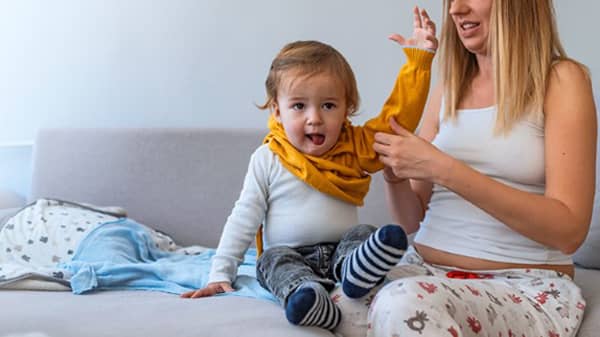
You can have as much fun building a wardrobe for your one-three years old as you had selecting her layette when she was a baby. Although a few of the rules change, the cute factor for dressing toddlers is the same as it was for choosing babywear.
Now that your tot is walking, running, climbing, using the potty (or learning to), and insisting on doing practically everything “all by myself,” you’ll want to keep certain factors in mind when you dress your darling.
When you’re shopping for toddler clothes, look for garb that:
Won’t blow your budget. While your toddler’s growth rate is a bit slower than the baby pace, you’ll still be lucky to get more than a season out of most clothing you buy, so why break the bank? Take advantage of sales, and don’t turn your nose up at consignment stores. When it comes to basic tops and bottoms, dressing toddlers in pre-worn wear makes good (dollars and) sense.
Will hold up. Not only do toddler clothes need to withstand lots of wear-and-tear (think playground to puddle and back again), they also need to make it through multiple washings and dryings.
Meets comfy criteria. A toddler’s skin is still as delicate and sensitive as a baby’s, so parents should be dressing toddlers in soft fabrics like stretchy cotton, which is breathable and super-easy to move in. Also check for well-finished seams that won’t rub and non-scratchy tags (which you can always cut out, of course), and beware of appliqués and other decorative elements that can itch or irritate.
Are a good fit. It’s important to get the right size clothes for your little one so she’s comfortable.
Toddler clothing sizes
Here’s how toddler clothing sizes generally break down according to a child’s height and weight:
2T: 25–27 lbs., 32–34 in.
3T: 28–32 lbs., 35–37 in.
4T: 33–36 lbs., 38–40 in.
5T: 37–42 lbs., 41–43 in.
Toddler dressing tips
Here are some other things to keep in mind when dressing your toddler:
If your child is on the short side, she may be able to wear clothing labeled in month sizes (for a baby) rather than in the T (toddler) size. Month sizes have the same weight range but a slightly lower height range.
European sizing is based on how tall tots are, so convert your child’s height from inches to centimeters (you can try this calculator) and you’ll always know exactly which size to buy.
If the toddler size of an outfit you like is out of stock, the kid size may well fit your small fry: Kid sizes tend to be longer with less room in the seat (toddler sizes allow space for a diaper), so a tall toddler who’s totally potty trained can probably pull off a kid size.
Swimsuits typically run small, so you’ll almost always need to buy one size up from what your tot usually wears. (If you buy a bigger size in a one piece for a little girl, you may need to fasten the straps together in the back to keep them from slipping down her shoulders.)
If you want to spring for a fancy outfit from a high-end kiddie boutique (for a special occasion, say), go for it — but be aware that these tend to run small, too.
Make toddler dressing as me-do-able as possible. Most toddlers have a “me-do-it!” mentality that affects everything from pushing their own stroller to pulling on their own pants. Buy bottoms with elastic waists rather than button or zipper flies (perfect clothes for potty training as well), tops with neck holes wide enough for your child’s head to slip through easily, and shirts with buttons and snaps that are big enough for your munchkin to at least try to manipulate herself. Those who follow these tips find dressing toddlers to be a source of fun and learning, rather than frustration, for both themselves and their independent toddler fashionistas.
How to make matcha cookies
Although you can buy matcha cookies on the market, it is always more fun to make them yourself, and it is more at ease if you make them yourself without adding preservatives. Come and see how to make them.
Soften the butter, add powdered sugar and sugar and stir evenly, add eggs to beat;
Mix the matcha powder and low-gluten flour together, sieve into the bowl in 1;
Stir these materials evenly, put them into the piping bag, and squeeze out even-sized blocks on the baking tray;
Put it in a preheated oven at 190 degrees and bake for about ten minutes.
The ingredients for making matcha cookies are not common materials in our daily kitchen, so they must be purchased in advance. Uncommon ingredients such as matcha powder, butter, and powdered sugar can be bought in supermarkets. If the supermarket does not have them, they can also be bought online. So, don’t worry about not being able to prepare the materials.
The difference between resistance and immunity
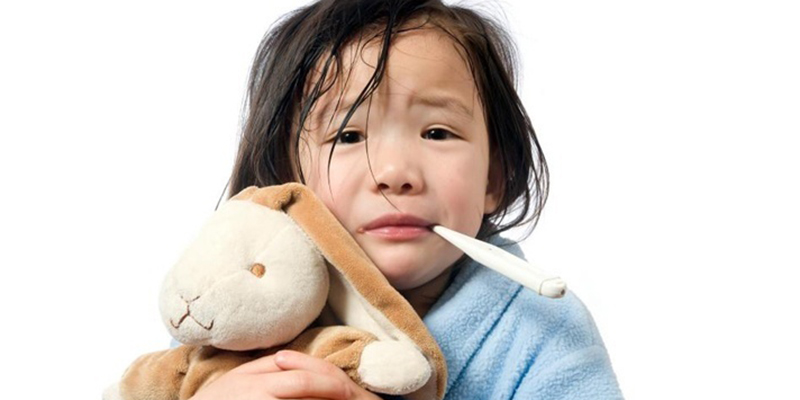
Now there are more and more children with poor immunity, which breaks the heart of parents who take their children to the hospital every other day. How can the child catch a cold if he sweats or blows a little wind? Obviously, this is the reason for the poor immunity of the child. Resistance and immunity are frequently heard words in our lives, but what is the difference between the two?
Simply put, resistance is a kind of resistance, and immunity is a kind of body’s ability to recognize and distinguish diseases.
1. Resistance
Resistance refers to the close cooperation between the various systems of the human body through the control of the central system, so that the body can operate normally. Among the major systems, the immune system is the most important system that affects a person’s resistance. The immune system can resist the invasion of external pathogens, thereby helping the human body to avoid various diseases to the greatest extent. This work is produced Defensive ability is what we call resistance.
2. Immunity
For the human body, immunity is a defense mechanism. It can recognize and eliminate foreign objects. It can also process its own aging, damaged, and degenerated cells. The human body’s mutant cells and virus-infected cells must be blurred. This barrier, so immunity can help us identify and eliminate dissidents, which is the most important physiological response of the human body.
It can be seen that the human body’s resistance and immunity are subtly different, but the two cooperate with each other, the common purpose is to protect the health of the human body, which is of great significance to life safety.
What to eat for children with poor immunity
If you want your baby to have great immunity, you should first ensure that your child has enough sleep time every day. For newborns, daily sleep time should be about 20 hours. Through adequate sleep, children can get adequate rest, nourish their energy, and reduce the burden on the immune system a lot. So besides that, for children under one-year-old, can diet improve their immunity?
For children under one year old, the best way to improve immunity is to receive breastfeeding. There are many types of antibodies in breast milk, and it contains lactoferrin, active immune cells, and other components, which have a significant effect on improving the disease resistance of young children. Formula milk is the next baby food for breast milk. If breastfeeding is really impossible, formula milk powder should also be added to the baby.
Baby can add supplementary food after six months of age, but it should be noted that breast milk and formula milk will still be the baby’s main food before one year of age. The addition of supplementary food should gradually transition from a single small amount to a diversified food so that the baby can absorb nutrients in many ways, which is of great benefit to improve the child’s immunity. The food ingredients used to make supplementary food for the baby should be fresh, try to eat food processed foods made of natural ingredients, and foods with many pigments and additives should be avoided as far as possible.
In addition to the above dietary recommendations, the common foods that can improve the baby’s immunity are the following: brown rice, coix seed, yellow-green vegetables, yogurt, etc.