Causes of poor immunity in children

We all know that parents are most afraid of their children catching a cold and getting sick. As long as their children are sick for a long time, every family is very anxious to look forward to their children’s recovery. Many parents will take their children to the hospital for treatment, injections, intravenous drips, and medicine. After a series of treatment measures, the child’s condition has indeed been relieved a lot, but the child’s immunity has also been destroyed. Gradually, parents will find that their children love colds more and more. In fact, the reason for poor immunity has a lot to do with the wrong parenting methods of parents.
First of all, children with congenital diseases will naturally have less immunity than ordinary babies, such as congenital heart disease, immunodeficiency diseases, or some problems of dysplasia when they are in the mother.
The second is the lack of nutrients and the improper use of drugs, which will also seriously impair the child’s immunity. The child’s body lacks calcium, iron, zinc, vitamins, and any other nutritional elements so that the child’s body nutrition is not balanced and it is very easy to cause a decline in resistance and seriously affect the child’s immune system development. Regarding the improper use of drugs, the most common is the abuse of antibiotics and hormones. Many parents don’t understand antibiotics. Even if they are sick, they don’t need this kind of antibiotic treatment, they will take them privately, and they will change different antibiotics every time. If this happens for a long time, the child’s body will become resistant. Upset the balance of the human system. The abuse of hormonal drugs stems from the fact that many parents see that the use of hormonal drugs can quickly cure their illnesses. It is a very irresponsible behavior not to listen to dissuasion and give them to their babies privately.
Finally, there are still many parents who do not take enough medication after their children fall ill. Seeing that the child’s condition has eased, they arbitrarily stop the drug. Although the bacteria are already hidden at this time, as long as they are slightly stimulated, the condition will quickly come back.
Harm of poor immunity of children

After birth, parents are most worried about their children getting sick. Some children with weakened immune systems almost always catch colds and get sick during the year. They almost never stop taking medicine. This makes parents very tired and worried. A child’s poor immune system is more than just a cold. What are the other hazards for a child’s poor immune system?
1. Love the corners of the mouth, and have repeated oral ulcers. Adults who have oral ulcers will feel painful and uncomfortable. However, for children with weakened immunity, oral ulcers are almost commonplace, and there are several ulcers in the mouth at the same time, and they especially love the corners of the mouth.
2. The weakened immune system causes the child to sweat. Poor immunity will cause children to sweat especially, especially when sleeping, whether it is spring, summer, autumn, or winter, it is prone to this situation. Most children sweat easily during the first half an hour to an hour of bedtime, but after this period of time, the sweat will slowly dissipate, but children with poor immunity will sweat for a long time, even until the latter half of the night. In fact, children who love to sweat are particularly prone to catch a cold, which is the consequence of poor immunity.
3. Get sick often. Children with poor immunity have poor resistance to diseases, bacteria, and viruses, and love to invade this physique. Some children often catch colds, or have no serious illnesses, and continue to have minor illnesses. This is the harm caused by poor immunity.
4. Children with poor immunity do not sleep well, so they will always feel physically exhausted. This creates a vicious circle and makes the child’s immunity worse than every day.
What to do if the child has poor immunity
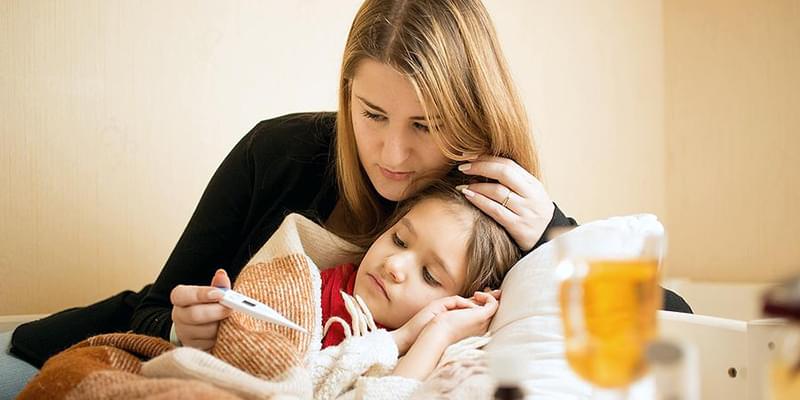
The human body’s immune system has a very intelligent function. It can record infectious bacteria that invade the human body. The next time the same bacteria infects the human body, he will launch a more powerful attack. Therefore, if the child has never suffered from some kind of Infectious diseases, then the child’s immune system tends to be more vulnerable when resisting such infectious diseases. So how can children with poor immunity help them improve?
1. Breastfeeding. To improve a child’s immunity, we must start from daily life. Breastfeeding is the beginning of immunity for infants and young children. Each component in breast milk is very rich, which plays a particularly important role in improving the child’s resistance. Therefore, as long as you have the ability to breastfeed, you must not miss this opportunity to improve your child’s immunity.
2. Touch. After the baby is born, every contact with the mother’s limbs will give the baby a sufficient sense of security, which is very beneficial to all aspects of the baby’s development. Frequent touches will help the child’s blood circulation. This is also a way to improve the child’s blood circulation. Way of immunity.
3. Vaccination. Taking the initiative to vaccinate on time is the most effective and simplest measure to prevent and resist infectious diseases. Parents must not ignore the vaccination.
4. Establish a regular biological clock for the child. Toddlers need a lot of sleep time to ensure the normal development of the body, while adequate sleep can also enhance the child’s immunity.
5. Don’t overfeed. The organs of babies under one-year-old are very delicate, the gastrointestinal system is still developing, and the digestion and absorption capacity is far less than that of adults. If overfed, it will increase the burden on the digestive system, bring some gastrointestinal diseases, and at the same time damage the child’s immunity.
Self-Feeding
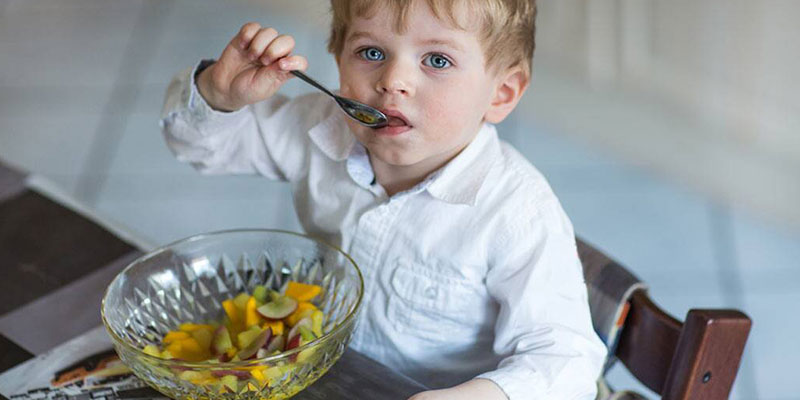
At twelve months, your baby was just getting used to drinking from a cup and feeding himself with a spoon and his fingers. By fifteen months, he’ll be much more in control, getting food into his mouth with relative ease when he wants to and flinging it about the room when that seems like more fun. He’ll be able to fill his spoon and get it to his mouth consistently, although occasionally it will tip the wrong way and spill at the last second.
Unbreakable dishes, cups, and glasses are essential, since they, too, may go flying when he’s bored with their contents. Such behavior should be discouraged by a firm reprimand and replacement of the utensils in the proper location. If these behaviors persist, consider taking him out of the high chair and waiting until the next meal.
By eighteen months, your toddler can use a spoon, fork, and unbreakable glass or cup when he wants to, but he may not always want to. There will be times when he’d rather finger paint with his pudding or turn his plate into a soaring airplane.
Some children get over this chaotic eating behavior by their second birthday, at which time they actually may become upset when they spill or get even a little smudge of food on their hands. Others, however, will remain very messy eaters well into their third year.
Last Updated 8/1/2009
Source Caring for Your Baby and Young Child: Birth to Age 5 (Copyright © 2009 American Academy of Pediatrics)
The information contained on this Web site should not be used as a substitute for the medical care and advice of your pediatrician. There may be variations in treatment that your pediatrician may recommend based on individual facts and circumstances.
Serving Sizes for Toddlers
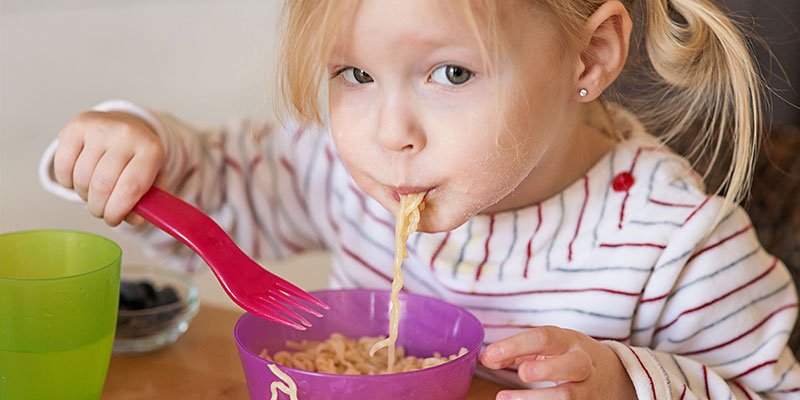
A toddler’s energy requirements are not very large. Growth slows after the rapid first year, so the intake does not need to be huge.
Here’s a general guide for feeding your toddler:
- Each day, a child between ages 1 and 3 years needs about 40 calories for every inch of height. This means, for example, that a toddler who measures 32 inches should be taking in an average of about 1,300 calories a day, but the amount varies with each child’s build and activity level.
- The child’s serving size should be approximately one-quarter of an adult’s.
Here’s an average toddler-sized meal:
- One ounce of meat, or 2 to 3 tablespoons of beans
- One to 2 tablespoons of vegetable
- One to 2 tablespoons of fruit
- One-quarter slice of bread
Your toddler will get enough calories along with all the protein, vitamins, and minerals he or she needs from an average daily intake similar to the chart below.

Last Updated 3/7/2016
Source Committee on Nutrition (Copyright © 2016 American Academy of Pediatrics)
The information contained on this Web site should not be used as a substitute for the medical care and advice of your pediatrician. There may be variations in treatment that your pediatrician may recommend based on individual facts and circumstances.
Evababe Coupons, Promo & Discount Codes
https://www.wethrift.com/evababe
Dietary Supplements for Toddlers
 If you provide your child with selections from each of the basic food groups and let your child experiment with a wide variety of tastes, colors, and textures, he or she should be eating a balanced diet with plenty of vitamins. Some vitamins, such as the fat-soluble vitamins (A and D), may even pose risks; they’re stored in the tissues when consumed in excess, and at very high levels could make your child sick. High doses of minerals such as zinc and iron taken over an extended time can have negative effects, as well.
Supplementation for Some Children
For some children, however, supplementation may be important. Your child may need some vitamin and/or mineral supplementation if your family’s dietary practices limit the food groups available to him or her. For example, if your household is vegan—a type of strict vegetarian diet including no animal products such as eggs or dairy foods—the American Academy of Pediatrics (AAP) recommends that your child only be on this diet after consultation with your pediatrician or health care provider. It is possible to have a child on a safe vegan diet, but it should be done carefully. There are critical vitamins and minerals which can be deficient in a vegan diet, particularly vitamin B12, vitamin D, iron, vitamin A, calcium, zinc, and riboflavin.
Childhood is a critical time for growth and brain development, so particular vitamins and supplements may be recommended. Rickets, for example, is a disease in which the bones soften, and it is associated with inadequate vitamin D intake and decreased exposure to sunlight; although uncommon in the United States, it continues to be reported—especially in children with darker-pigmented skin. Consult your pediatrician about which supplements are needed and the amounts.
Iron Deficiency
Iron deficiency does occur among some young children and can lead to anemia—a condition that limits the ability of the blood to carry oxygen. In some cases, the problem is dietary. Toddlers need to receive at least 15 milligrams of iron a day in their food, but many fail to do so.
Drinking large quantities of milk may lead to iron deficiency anemia, as the child will be less interested in other foods, some of which are potential sources of iron.
Too Much Milk?
If your child is drinking 24 to 32 ounces (720–960 mL) of milk or less each day, there’s little cause for concern. If he or she drinks much more than that and you can’t get her to eat more iron-rich foods, consult your pediatrician about adding an iron supplement to his or her diet. In the meantime, continue to give vitamin D drops (600 IU per day after age one) if taking less than 32 ounces of milk per day, and keep offering a wide variety of iron-rich foods so that, eventually, supplementation won’t be necessary.
Last Updated 6/22/2017
Source Adapted from Caring for Your Baby and Young Child: Birth to Age 5, 6th Edition (Copyright © 2015 American Academy of Pediatrics)
The information contained on this Web site should not be used as a substitute for the medical care and advice of your pediatrician. There may be variations in treatment that your pediatrician may recommend based on individual facts and circumstances.
Winning the Food Fights(Part3)

Patience Pays
There is a message embedded throughout the book that parents need to hear over and over: Be patient with yourself, be patient with your children. One of the peacekeeping strategies is emphatic on this point: “If at first you don’t succeed … try, try again.” Along with that, another point reminds you “the food pyramid wasn’t built in a day.”
Another solution involves some patience, as well: the “no thank-you” bite, a tried-and-true source of compromise. Studies show that it can take between 10 and 15 tastes of one type of food before a child accepts it or likes it. Offering your child one taste before allowing him or her to refuse a dish adds up toward the desired result.
“Don’t take ‘no’ as a rejection,” says Dr. Jana. “You’re making progress by just exposing your child to new foods and flavors.”
Away from Home
Aside from its focus on the habits of daily eating in addition to the other body functions associated with it, a large section of Food Fights is dedicated to the challenges of eating away from home. This can entail dining with family and friends, at restaurants, and even on a plane.
“If you set the tone with consistency and expectations, children will be more likely to know that you expect them to act that way at somebody else’s house or a restaurant,” says Dr. Shu. “You always have to look at the next step.”
Indeed, Food Fights helps give you the confidence to look ahead to that next step. You don’t need to be daunted by the prospect of reading through every “childhood nutrition” book on the market. An outline of children’s tales recommended in the chapter called “Read All About It!”, however, seems like a much better idea.
Just remember: Your food fights are a battle your entire family can win one bite at a time. Having this timely battle plan in your hands is a great place to start.
Last Updated 1/14/2014
Source Healthy Children Magazine, Fall 2007
The information contained on this Web site should not be used as a substitute for the medical care and advice of your pediatrician. There may be variations in treatment that your pediatrician may recommend based on individual facts and circumstances.
Winning the Food Fights(Part2)
Weighty Decisions
Before delving into the book’s main subject matter, Drs. Jana and Shu present two facts that can often be traced to poor nutritional habits:
- Children with obese parents are 80 percent more likely to become obese themselves
- 30 percent of American adults over the age of 20 are considered obese
Once the idea is introduced, it seems obvious enough that a child wants whatever his or her parents eat. But it’s a great reminder for those of us who become parents believing we’ll become more health-conscious as our baby develops more astute observation skills.
If that’s the case, it is one of the first ways parents are vulnerable to “slippery slopes,” or routines that “ease themselves into existence while we’re too busy going about our parenting business to notice,” as the authors describe it.
“While we had every intention of focusing our attention on the questions parents typically ask that are specific to their kids, we constantly found ourselves discussing eating habits in general,” write the authors. “After all, if we as parents can’t get our own eating habits and waistlines under control, how is it that we think we will be able to teach our children to do so?”
Strategizing and Peacekeeping
“Parents often get themselves into a pattern and don’t know what’s coming or how to make the next transition. We’re giving people a heads-up before they turn what was a good thing into a bad habit,” says Shu. She points out that once these habits are formed, we often admit that if someone had told us ahead of time, we might have done things differently.
Consider some common examples, such as:
- Middle-of-the-night feedings
- Battles over the bottle
- The cure-all status of a sippy-cup
Food Fights introduces 10 “palatable peacekeeping strategies” to keep in mind. Meant as techniques to solve or prevent food-related struggles, the ideas surface throughout the book and illustrate the power of being proactive, rather than reactive. They also provide comfort for parents, who shouldn’t feel that they’re facing this battle alone.
“A lot of principles are the same from age to age,” says Dr. Jana. “Once you extract all the fundamental principles, you can basically apply them to just about any food fight that arises.”
Last Updated 1/14/2014
Source Healthy Children Magazine, Fall 2007
The information contained on this Web site should not be used as a substitute for the medical care and advice of your pediatrician. There may be variations in treatment that your pediatrician may recommend based on individual facts and circumstances.
Winning the Food Fights(Part1)
Why do they want to cover everything with ketchup? Why do they insist they hate something they’ve never even tried? If you’ve ever tried to get your child to eat without all the success you’d hoped for, this new book may be just what you need.
As the mother of a 22-month-old boy who has discovered the power of stating his dining opinions firmly, I couldn’t have received more timely support than that of my latest read, Food Fights: Winning the Nutritional Challenges of Parenthood Armed with Insights, Humor, and a Bottle of Ketchup, by Laura A. Jana, M.D., FAAP, and Jennifer Shu, M.D., FAAP, and published by the AAP.
Readers are likely to have the same sentiment regardless of their child’s age. After all, feeding one’s children is an ongoing responsibility of parenthood that often becomes complicated by stage-specific needs — and that in addition to a mountain of well-intentioned advice and government recommendations.
A quick search on “child nutrition” at Amazon.com Books finds more than 4,700 results. Pediatricians Jana and Shu know that despite being exposed to all that information, we are still left with questions. Fortunately, they have practical, reality-based answers.
A Tough Challenge
“It is impossible to ignore the fact that food-related battles rank right at the top of the daily list of parental challenges,” write the co-authors. They let you know right away that they mean business, but they do it with the kind of encouragement that you hope to gain from bonding with fellow parents.
Barely into the first chapter of Food Fights, one sure statement is enough to convince you:
“With some basic insights along with some palatable peacekeeping strategies, you can win the nutritional challenges of parenthood and play a defining role in shaping your child’s lifelong eating habits.”
Thank goodness I resisted the urge to skip the practical advice for the newborn period in lieu of heading straight for more curious matters — such as why “everything tastes better with ketchup.” With plenty of comic relief, Drs. Jana and Shu draw on research, anecdotes, their experiences as pediatricians and mothers, and best practices.
“Reviewing the underlying principles of what you do and what you do for your kids can serve as a powerful way to relate to them. Sometimes people can see it for themselves but not their kids,” says Dr. Jana.
Last Updated 1/14/2014
Source Healthy Children Magazine, Fall 2007
The information contained on this Web site should not be used as a substitute for the medical care and advice of your pediatrician. There may be variations in treatment that your pediatrician may recommend based on individual facts and circumstances.
Feeding & Nutrition Tips: Your 3-Year-Old
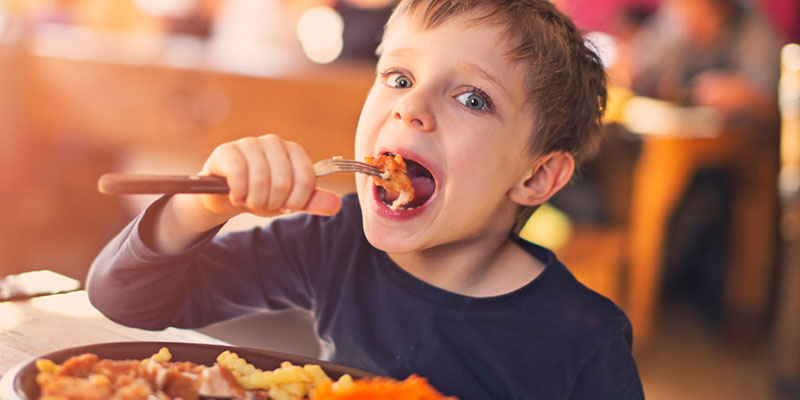
It’s important to help your children develop a healthy attitude toward eating at an early age. By age three, children are less likely to use eating—or not eating—to be defiant. Generally, (although almost certainly not always), they will learn to better interact, participate, and enjoy family meals.
5 Tips for Parents:
- Accept strong preferences about foods. Your three-year-old may be enthusiastic about eating, but he or she may have very specific food preferences. Some preferences may vary from day to day. For example, your child may gobble down a particular food one day, and then push away the same food the next day. She may ask for a certain food for several days in a row, and then insist that she doesn’t like it anymore. As irritating as this behavior can feel, it is very typical for a three-year-old. It is best not to make an issue of it. Instead, continue to offer a variety of healthy foods, and let your child choose which of them and how much he or she will eat.
- Encourage, but don’t force trying new foods. Offer very small amounts of a new food for your child to taste (an “adventure bite”), along with other foods he or she already likes. Do not expect your child to eat a full portion of an unfamiliar food.
- Offer nutritious food choices at every meal. As a parent, your job is to make sure that your three-year-old has nutritious food choices at every meal. After offering healthy options at the table, let him or her make the decision of how much to eat. If your child shows picky eating preferences—resisting vegetables, for example—don’t get discouraged or frustrated. Keep offering a variety of healthy foods, even if your child did not like them before. Developing a taste for foods can require up to 15-20 repeated exposures. This is also an important time to establish healthy snacking and meal habits.
- Meals can be simple and nutritious. Remember, meals at this age don’t need to be fancy. In fact, most three-year-olds prefer simpler preparation. If you only a few minutes to prepare a meal, try simple meals that include a protein source, whole grain, fruit, vegetable, and dairy. For example, a turkey or peanut butter sandwich, a serving of carrots, an apple, and a glass of milk. A simple lunch like this takes less time to prepare than driving through a fast-food restaurant—and it is much healthier!
- Turn off the TV—especially at mealtimes. Television advertising can be a big challenge to your three-year-old’s good nutrition. Young children are easily influenced by ads for unhealthy foods like sugary cereals, fast food, and sweets. The best way to avoid this is put in place a “media curfew” at mealtime and bedtime, putting all devices away or plugging them into a charging station for the night.
Last Updated 12/29/2016
Source Section on Obesity (Copyright © 2016 American Academy of Pediatrics)
The information contained on this Web site should not be used as a substitute for the medical care and advice of your pediatrician. There may be variations in treatment that your pediatrician may recommend based on individual facts and circumstances.
Feeding & Nutrition Tips: Your 2-Year-Old(Part2)

Supplementation for Some Children
Vitamin supplements are rarely necessary for toddlers who eat a varied diet. However, supplemental iron may be needed if your child eats very little meat, iron-fortified cereal, or vegetables rich in iron. Large quantities of milk (more than 32 ounces [960 mL] per day) also may interfere with the proper absorption of iron, thus increasing the risk of iron deficiency anemia.
Your child should drink 16 ounces (480 mL) of low-fat or nonfat milk each day. This will provide most of the calcium he or she needs for bone growth and still not interfere with his or her appetite for other foods—particularly those that provide iron.
Note: The American Academy of Pediatrics (AAP) recommends that children stay on whole milk until they are two years of age—unless there is a reason to switch a baby to low-fat milk sooner. Whole milk contains approximately 4% milk fat. It may help to gradually switch your child from whole milk to a lower-fat milk. Therefore, many pediatricians recommend that children get reduced fat (2%) milk for a few weeks before switching them to low fat (1%) or no fat (skim) milk.
According the AAP clinical report, Optimizing Bone Health in Children and Adolescents, infants under 12 months require 400 International Units (IU) of vitamin D per day and older children and adolescents require 600 IU per day. This amount of vitamin D can prevent rickets—a condition characterized by the softening and weakening of bones. If your child is not regularly exposed to sunlight or is consuming enough vitamin D in his or her diet, talk to your pediatrician about a vitamin D supplement. See Vitamin D: On the Double for more information and a list of vitamin D-enriched foods.
Last Updated 3/16/2017
Source Section on Obesity (Copyright © 2017 American Academy of Pediatrics)
The information contained on this Web site should not be used as a substitute for the medical care and advice of your pediatrician. There may be variations in treatment that your pediatrician may recommend based on individual facts and circumstances.
Feeding & Nutrition Tips: Your 2-Year-Old(Part1)
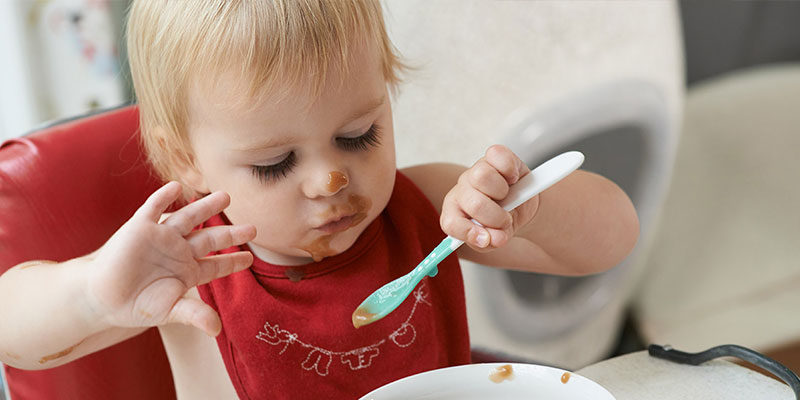
Your two-year-old should be eating three healthy meals a day, plus one or two snacks. He or she can eat the same food as the rest of the family. With his or her improved language and social skills, your child can become an active participant at mealtimes if given the chance to eat with everyone else.
- Do not fixate on amounts.
- Do not make mealtimes a battle.
- Do pay attention to adopting healthy eating habits—including sitting as a family at mealtime.
- Do make healthy food choices as a family.
Unsafe Foods for Toddlers
At age two, your child should be able to use a spoon, drink from a cup with just one hand, and feed him or herself a wide variety of finger foods. However, he or she is still learning to chew and swallow efficiently and may gulp food down when in a hurry to get on with playing. For that reason, the risk of choking is high. See Table below.
Unsafe Foods for Toddlers – Table

Healthy Eating Basics & Picky Eaters
Make sure your child eats from each of the basic four food groups each day:
- Meat, fish, poultry, eggs
- Milk, cheese, and other dairy products
- Fruits and vegetables
- Cereals, potatoes, rice, flour products
Don’t be alarmed if your child he doesn’t always meet this ideal. Many toddlers resist eating certain foods—or insist on eating only one or two favorite foods. The more you struggle with your child over his or her eating preferences, the more determined he or she will be to defy you.
Offering a variety of foods and leaving the choices up to your child will eventually allow him or her to eat a balanced diet on his or her own. Toddlers also like to feed themselves, so whenever possible, offer your child finger foods instead of cooked ones that require a fork or spoon to ea
Last Updated 3/16/2017
Source Section on Obesity (Copyright © 2017 American Academy of Pediatrics)
The information contained on this Web site should not be used as a substitute for the medical care and advice of your pediatrician. There may be variations in treatment that your pediatrician may recommend based on individual facts and circumstances.


