Helping Your Child Learn to Read(Part2)

Learning to read in school
Most children learn to read by 6 or 7 years of age. Some children learn at 4 or 5 years of age. Even if a child has a head start, she may not stay ahead once school starts. The other students most likely will catch up during the second or third grade. Pushing your child to read before she is ready can get in the way of your child’s interest in learning. Children who really enjoy learning are more likely to do well in school. This love of learning cannot be forced.
As your child begins elementary school, she will begin her formal reading education. There are many ways to teach children to read. One way emphasizes word recognition and teaches children to understand a whole word’s meaning by how it is used. Learning which sounds the letters represent—phonics—is another way children learn to read. Phonics is used to help “decode” or sound out words. Focusing on the connections between the spoken and written word is another technique. Most teachers use a combination of methods to teach children how to read.
Reading is an important skill for children to learn. Most children learn to read without any major problems. Pushing a child to learn before she is ready can make learning to read frustrating. But reading together and playing games with books make reading fun. Parents need to be involved in their child’s learning. Encouraging a child’s love of learning will go a long way to ensuring success in school.
Reading tips
The following are a few tips to keep in mind as your child learns to read:
- Set aside time every day to read together. Many children like to have stories read to them at bedtime. This is a great way to wind down after a busy day and get ready for sleep.
- Leave books in your child’s room for her to enjoy on her own. Make sure her room is reading-friendly with a comfortable bed or chair, bookshelf, and reading lamp.
- Read books that your child enjoys. After a while, your child may learn the words to her favorite book. When this happens, let your child complete the sentences or take turns reciting the words.
- Do not drill your child on letters, numbers, colors, shapes, or words. Instead, make a game out of it and find ways to encourage your child’s curiosity and interests.
Last Updated 11/2/2009
Source Helping Your Child Learn to Read (Copyright © 1999 American Academy of Pediatrics)
The information contained on this Web site should not be used as a substitute for the medical care and advice of your pediatrician. There may be variations in treatment that your pediatrician may recommend based on individual facts and circumstances.
Helping Your Child Learn to Read(Part1)
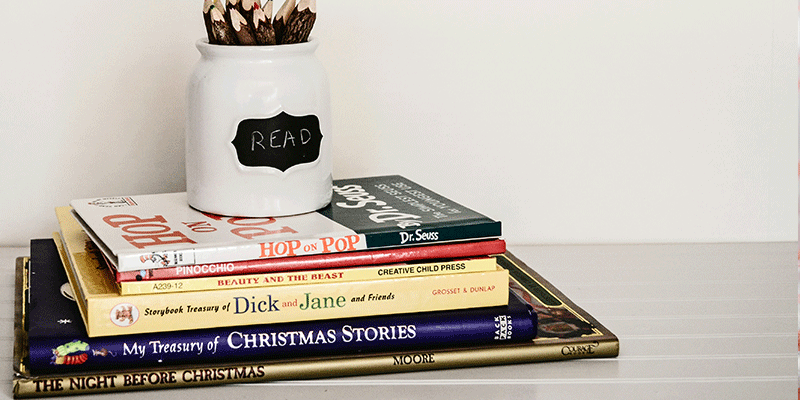
How can I help my child learn to read?
Reading books aloud is one of the best ways you can help your child learn to read. This can be fun for you, too. The more excitement you show when you read a book, the more your child will enjoy it. The most important thing to remember is to let your child set her own pace and have fun at whatever she is doing. Do the following when reading to your child:
- Run your finger under the words as you read to show your child that the print carries the story.
- Use funny voices and animal noises. Do not be afraid to ham it up! This will help your child get excited about the story.
- Stop to look at the pictures; ask your child to name things she sees in the pictures. Talk about how the pictures relate to the story.
- Invite your child to join in whenever there is a repeated phrase in the text.
- Show your child how events in the book are similar to events in your child’s life.
- If your child asks a question, stop and answer it. The book may help your child express her thoughts and solve her own problems.
- Keep reading to your child even after she learns to read. A child can listen and understand more difficult stories than she can read on her own.
Listening to your child read aloud
Once your child begins to read, have him read out loud. This can help build your child’s confidence in his ability to read and help him enjoy learning new skills. Take turns reading with your child to model more advanced reading skills.
If your child asks for help with a word, give it right away so that he does not lose the meaning of the story. Do not force your child to sound out the word. On the other hand, if your child wants to sound out a word, do not stop him.
If your child substitutes one word for another while reading, see if it makes sense. If your child uses the word “dog” instead of “pup,” for example, the meaning is the same. Do not stop the reading to correct him. If your child uses a word that makes no sense (such as “road” for “read”), ask him to read the sentence again because you are not sure you understand what has just been read. Recognize your child’s energy limits. Stop each session at or before the earliest signs of fatigue or frustration.
Most of all, make sure you give your child lots of praise! You are your child’s first, and most important, teacher. The praise and support you give your child as he learns to read will help him enjoy reading and learning even more.
Last Updated 11/2/2009
Source Helping Your Child Learn to Read (Copyright © 1999 American Academy of Pediatrics)
The information contained on this Web site should not be used as a substitute for the medical care and advice of your pediatrician. There may be variations in treatment that your pediatrician may recommend based on individual facts and circumstances.
How to make caramel soft cookies.

Homemade caramel soft cookies may not be as gorgeous as in the window, but the passion is priceless. The fragrant caramel and the softness of the soft cookies can definitely help you conquer the heart of the male god in one fell swoop. Girls, what are you waiting for? Follow Eva to make caramel soft cookies.
Ingredients: 100g low-gluten flour, 3g baking powder, a pinch of salt, 20g unsalted butter, 10g milk, 40g fine sugar, 50g whipped cream, and a teaspoon of water.
method:
- Making caramel sauce: 30g fine sugar and 1 teaspoon of water are heated in a milk pot, turn off the heat when the sugar shows a uniform caramel color, add 50g of boiled whipped cream, stir well, let cool for later use;
- Put 100g low-gluten flour, 3g baking powder, a pinch of salt, 10g fine sugar into a mixing bowl, add 20g butter cut into small pieces, flatten with your fingers and rub your palms together to form a sand-like oil surface ;
- In the previous step, add caramel sauce, stir evenly with a spatula, add 10g of milk and cut into a whole moist dough;
- Take the dough out of the mixing bowl, place it on the operating table and press it into a noodle by hand, cut it from the middle with a spatula, stack the two halves of the noodle together and press again, repeat the action 2~3 times;
- Shape the dough into a rectangular parallelepiped with a side length of 8*12cm, cut into 8 equal parts, place them on a baking tray lined with greased paper, and send them to a preheated 200-degree oven for 15-20 minutes.
How to eat caramel soft cookies so as not to gain weight?
Girls are always greedy, hoping for dessert and body shape. The following Eva Encyclopedia introduces 6 secrets to everyone, so that you can rest assured that eating caramel soft cookies will not get fat, and you will have both fish and bear paws! What are you waiting for, hurry up and watch.
- Controlling the amount of consumption is the highest guiding principle: The reason why caramel soft cookies make people fat is because the calories are higher than ordinary food, so as long as you eat the right amount, your weight will not go up.
- Avoid eating caramel soft cookies on an empty stomach: When you have an empty stomach, the effect of heat absorption is the best, and it is extremely easy to overeat unknowingly. If you are really hungry and need something to fill your stomach, you can eat some low-calorie snacks, such as jelly, yogurt, fruit or soda crackers.
- Eat caramel soft cookies after a meal: If caramel soft cookies are digested with the dietary fiber in the meal, it will reduce the calorie absorption and it is not easy to overeat.
- It is strictly forbidden to use caramel soft cookies as a supper: After dinner, the body has a magical power to absorb heat. If you eat caramel soft cookies as a midnight snack and go to bed right away, your blood sugar will easily be converted into fat to stay in your body.
- Eat slowly and concentrate on eating: The faster you eat caramel soft cookies, the faster your blood sugar will rise, and the less calories will be consumed, which will stay in the body and turn into fat. Therefore, caramel soft cookies should be eaten slowly and concentratedly.
- Cooperate with the amount of activity: When there is little activity, eat less caramel soft cookies.

The nutritional value of caramel soft cookies.

From the looks, it is absolutely impossible to imagine the amazing nutritional value of the humble caramel soft cookies. It’s good to absorb nutrients while enjoying delicious food. Let’s take a look at the nutritional value of caramel soft cookies.
- Supplement energy. Caramel soft cookies contain a variety of nutrients and carbohydrates, which can temporarily provide energy to the body. However, due to the lack of comprehensive nutrition, it cannot be taken as three meals for a long time, otherwise it will lead to malnutrition.
- Improve immunity. Caramel soft cookies are rich in copper, which is an indispensable micronutrient for human health and has an important influence on the function of the central nervous system and immune system.
Suitable crowd: Those who have dizziness, fatigue, fatigue, tinnitus, and vertigo. People who have pale skin, mucous membranes and nails, and people who feel short of breath after physical activity, and people who have high temperature, heavy physical work, and frequent sweating are also very suitable for eating caramel soft cookies.
Are caramel soft cookies high in calories?
Mr. Qian Zhongshu from China said that eating roasted sweet potatoes is like cheating, and it is better to steal it than not to steal it. This caramel soft cookie is simply so. When I did not eat my mouth, it was fragrant and fragrant, which made people salivate; but when I did eat it, I began to worry about some missing things, such as: Are caramel soft cookies high in calories? Is it easy to gain weight after eating? So, what is the truth of the matter?
Compared with regular cookies, caramel soft cookies have a softer texture and higher calories. Based on 100 grams of edible part, the calorie of caramel soft cookies is 500 calories, which is higher per unit of calories in similar foods. The calories per 100 grams of caramel soft cookies account for about 22% of the total calories that an average adult needs to keep healthy every day recommended by the Chinese Nutrition Society.
Therefore, eat caramel soft cookies should pay attention to the appropriate amount. When you are hungry, you can eat moderately to satisfy your hunger, but not excessive consumption. For women who want to maintain a good figure, caramel soft cookies should not be eaten more, otherwise they will become fat again.

How to make caramel soft cookies.
Homemade caramel soft cookies may not be as gorgeous as in the window, but the passion is priceless. The fragrant caramel and the softness of the soft cookies can definitely help you conquer the heart of the male god in one fell swoop. Sisters, what are you waiting for, hurry up and make caramel soft cookies with Mom.
Ingredients: 100g low-gluten flour, 3g baking powder, a pinch of salt, 20g unsalted butter, 10g milk, 40g fine sugar, 50g light cream, a teaspoon of water.
method:
- Making caramel sauce: 30g fine sugar and 1 teaspoon of water are heated in a milk pot, turn off the heat when the sugar shows a uniform caramel color, add 50g of boiled whipped cream, stir well, let cool for later use;
- Put 100g low-gluten flour, 3g baking powder, a pinch of salt, 10g fine sugar into a mixing bowl, add 20g butter cut into small pieces, flatten with your fingers and rub your palms together to form a sand-like oil surface ;
- In the previous step, add caramel sauce, stir evenly with a spatula, add 10g of milk and cut into a whole moist dough;
- Take the dough out of the mixing bowl, place it on the operating table and press it into a noodle by hand, cut it from the middle with a spatula, stack the two halves of the noodle together and press again, repeat the action 2~3 times;
- Shape the dough into a rectangular parallelepiped with a side length of 8*12cm, cut into 8 equal parts, place them on a baking tray lined with greased paper, and send them to a preheated 200-degree oven for 15-20 minutes.
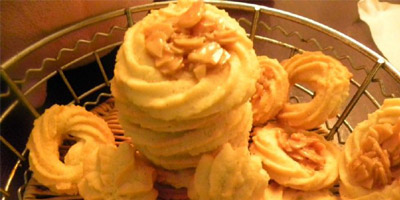
Caramel Soft Cookies
[Guide] Desserts always give people too much dreamy feeling. Even if you just sit quietly and eat a fragrant caramel soft cookie, happiness will melt in your heart little by little. The weather is capricious, and the cookies are still perfect. The following Mawang Encyclopedia introduces how to make caramel soft cookies, hurry up and watch. It’s not bad for the girls to express their hearts to the male gods with cookies.
How to make caramel soft cookies
He made the caramel soft cookies happily, and the male god also accepted them happily, but with one bite, it was as hard as a rock! The favorability value that just brushed up plummeted instantly. So, how do caramel soft cookies make them crispy and soft? The following EVA editor Encyclopedia will help you.
- Use low-gluten flour for flour. Sift low-gluten flour into the flour to neutralize the gluten and make the cookies soft.
- The butter must be blown, the color changes from yellow to pale yellow and white, and the volume is fluffy. The following is the method of buttering: butter + powdered sugar/fine sugar until the butter is white, then use a soft scraper to turn up the butter at the bottom of the tank along the inner wall of the tank, then quickly beat it evenly, and then use a soft scraper to move the tank Scrape the butter at the bottom, turn it over, and beat it until it turns white.
- The time for stirring the batter must not be too long, otherwise the batter will become gluten and the cookies will become hard.

The efficacy and function of peaches.
Peach, also known as lung fruit, peach fruit. Peaches are common fruits. They can be eaten raw or canned or canned. The kernels can also be eaten. Peaches are also known as “the best fruit in the world” because of their delicious meat. Peach meat contains protein, fat, carbohydrates, crude fiber, calcium, phosphorus, iron, carotene, etc. It is very suitable for patients with hypokalemia and iron deficiency anemia, but those with internal heat, folliculitis and facial acne are most suitable for consumption. Avoid eating.
Can pregnant women eat peaches?
Can eat.
Pregnant women often eat peaches to prevent and improve iron-deficiency anemia, and to supplement iron for the fetus. In addition, peaches are rich in potassium, which can relieve edema.
Can pregnant women eat peaches?
Can eat.
Peaches are rich in colloids, which can absorb a lot of water into the large intestine and can prevent constipation. The proper consumption of peaches is also good for the body.
Can I eat peaches during lactation?
Can eat.
Peaches nourishes qi and blood, nourishes yin and produces fluids, and have high iron content. Proper consumption during breastfeeding is beneficial to the parturient, but it should not be too much each time to avoid causing diarrhea.
Can babies eat peaches?
Be cautious and try not to eat.
Peaches contain macromolecular substances, and the baby has poor gastrointestinal dialysis ability and is difficult to digest these substances. Therefore, it is best for the baby to eat less peaches.

The efficacy and role of melon.
Melon is also called cantaloupe or cantaloupe. Melon gets its name because of its sweet taste, and it is also called cantaloupe because of its fragrance. Melon is a summer melon and fruit, and its nutritional value is comparable to watermelon. According to the measurement, except for the water and protein content of melon is lower than that of watermelon, other nutrients are no less than watermelon, while the content of aromatic substances, minerals, sugar and vitamin C are significantly higher than that of watermelon. Eat more melons, which is beneficial to the activities of the human heart, liver and intestinal system, and promotes endocrine and hematopoietic functions.
Can pregnant women eat melon?
Can eat.
Pregnant women can eat melons, but you should eat them in moderation. Eating muskmelon in summer has the effect of relieving heat, but melon has a diuretic effect. Mommy who has frequent urination in the third trimester should eat as little as possible.
Can pregnant women eat melon?
Can eat.
Mothers can eat moderate amounts of cantaloupe, because cantaloupe is rich in vitamins, which helps the body recover. But because melon is a cold food, it is recommended not to eat more at once.
Can I eat melon during breastfeeding?
Can eat.
Cantaloupe can be eaten during breastfeeding. Eat some cantaloupe during lactation. Cantaloupe is rich in nutrition and contains a lot of vitamins, minerals, cellulose, pectin and organic acids. It can not only increase nutrition, help digestion, supplement vitamins and minerals, but also cantaloupe has some special features. The medical effect of the medicine is very helpful to the health of breastfeeding mothers.
Can babies eat melon?
Be cautious and eat as little as possible.
Melon cools and cools off the heat. It can be eaten by infants and young children, but it is cool in nature and should not be eaten too much to avoid causing diarrhea.

Are Time-Outs Helpful or Harmful to Young Children?(Part3)
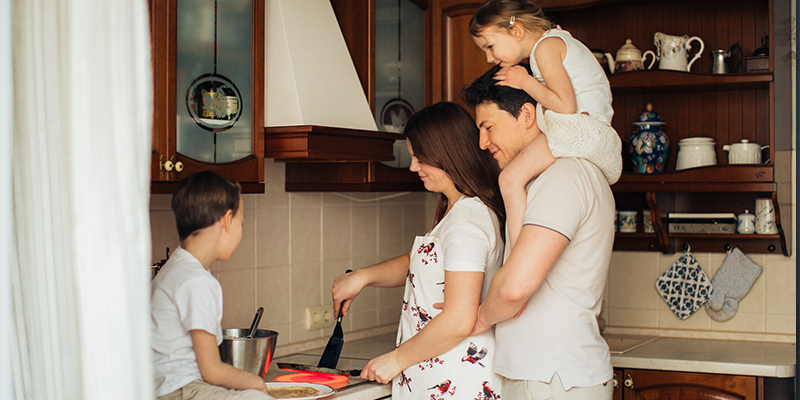
By Claire Lerner
Choose a time limit best suited to your child.
One approach is to have the break end when the child is calm. Another option is to set a timer for—3 to 5 minutes—then go back to the child and check in. At this point, she may still be upset, but if she is no longer out of control and is willing to accept being comforted, you can help her move on. Remember, you’re not giving in to whatever caused the original upset—you’re just helping her learn to calm herself and to accept an alternative,for example,reading a book together instead of playing on the tablet that you had taken away, which caused the tantrum.
Ignore the behavior but not the child.
If a child is out of control but not harming herself or others, it can be very effective to just ignore the behavior. If a child is having a tantrum because you took away toys that he was throwing, acknowledge his anger (which is neither right nor wrong—it just is) and then move on. You might let him know you are going to make dinner and would love a helper when he is calm and ready. Or pick up one of his favorite books and start reading it aloud. This communicates that you are still a loving, present parent, ready and eager to engage, but that you’re not going to participate in or fuel his tantrum. (Check out this short video clip to learn about ways to help children manage their emotions.)
Using breaks mindfully, as a tool to help young children learn to cope with their strong emotions, is all about the way it’s done.
Breakdowns are evidence that children are having a hard time coping with one of life’s inevitable frustrations or disappointments. They are not purposefully misbehaving, they are just reacting. Their intense emotions and limited skills in self-regulation sometimes cause them to lose control over their minds and bodies. A short break from interaction can help them cool down. In the context of a loving, strong parent-child relationship, giving children (and parents) this space to calm themselves can be helpful, not harmful.
Are Time-Outs Helpful or Harmful to Young Children?(Part2)

By Claire Lerner
Create a special, safe space.
In my household, we established the “cozy corner.” A family I work with created the “peace place.” I recommend parents talk with the child in advance about the purpose of this safe space—that it is where people in their family go when they are losing control and need a break. (I suggest parents also use it to take a break themselves, which can serve as some very powerful role modeling.) Parents include children in designing the space, giving them choices of acceptable items that can be included. One family put a small nylon teepee in their child’s room, which provided a sense of boundary and comfort. When a parent assesses that a break is needed, it is done calmly and lovingly. Even if you are holding your child out at arm’s length to avoid his kicks and swatting at you, as calmly as possible, take him to his break place and let him know that you can’t wait until he can calm himself so that you can play again. Separations aren’t inherently or automatically harmful to young children. When separations are framed and approached lovingly and supportively—not punitively—they can be caring, not callous.
Keep expectations for what the break will accomplish in check.
Children—especially those under 3 years old—do not yet have the ability to reflect on their own actions and behavior. This means that the goal of taking a break is not self-reflection (“Gee, I wonder why I let my emotions get the best of me—I really shouldn’t have thrown that train” is beyond most 2-year-olds), but to provide a quiet place where children can move from a state of high agitation and upset to a sense of calm. The break offers the space for both parent and child to regroup, and then come back together to talk about what the child could do the next time this situation arises. No learning takes place when children are in an agitated, emotionally flooded state.
Choose a time limit best suited to your child.
One approach is to have the break end when the child is calm. Another option is to set a timer for—3 to 5 minutes—then go back to the child and check in. At this point, she may still be upset, but if she is no longer out of control and is willing to accept being comforted, you can help her move on. Remember, you’re not giving in to whatever caused the original upset—you’re just helping her learn to calm herself and to accept an alternative,for example,reading a book together instead of playing on the tablet that you had taken away, which caused the tantrum.


