How to Stay Calm When Baby Won’t Stop Crying(Part 1)
By:ZerotoThree
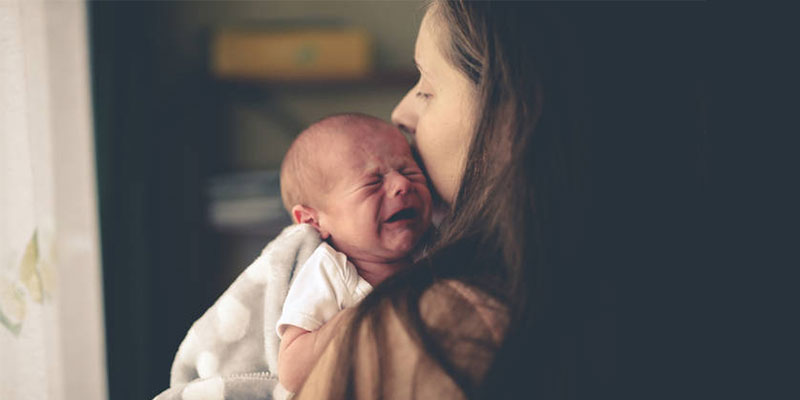
All parents have been there. You’ve tried feeding, burping, and changing his diaper. You checked for fever. You even checked to see if his socks are too tight! Could it be gas? Is he too hot or too cold? Maybe he is teething. Regardless, you’ve tried everything you can think of and now you’re starting to stress. He Just Keeps Crying.
Some babies cry more than others for reasons we don’t fully understand. This doesn’t mean that you are doing anything wrong as a parent or that your baby doesn’t like you! Many parents have to cope with babies who cry a lot in the early months of life. If you have found yourself bouncing, patting, humming, or soothing a fussy baby, you are not alone!
It’s normal to feel stressed when babies cry.
A crying baby can rattle even the most level-headed person. Why? It has to do with the way our brains are wired. We feel a sense of urgency when babies cry. It’s almost like a fire alarm goes off in our brains. This is nature’s way of making sure we do our jobs: respond to our babies’ needs and take care of them! But what if we’ve done all we can to help, and the crying doesn’t stop? Here’s what might happen for you as your baby continues to cry:
The “thinking” part of your brain shuts down, affecting your ability to be calm and think logically.
Your reactions may be panicked, meaning that you feel out of control and are not thinking clearly.
You may find it difficult to calm yourself down and regulate your own feelings and reactions.
Babies tune into our feelings and reactions.
For better or worse, a baby tends to “tune in” to her caregivers’ emotional state. This means that just when babies need us to be at our calmest so we can help calm them, we are often feeling stressed, frustrated and wound up! Our arms and shoulders are tense, and our facial expressions also may show the stress. A caregiver’s stress can add to the baby’s stress and intensify her fussiness.
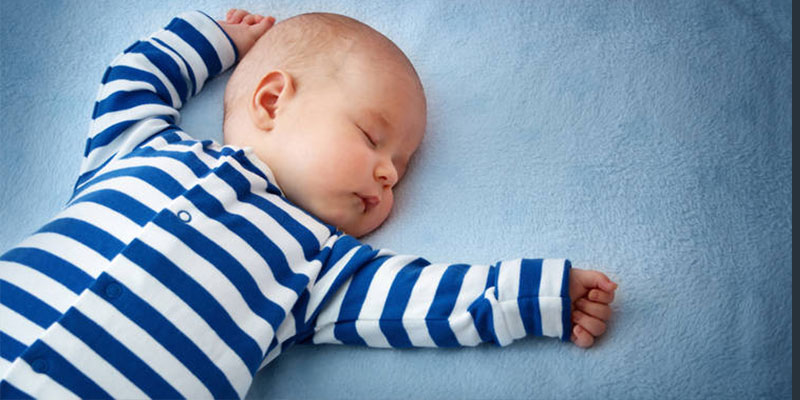
Method: The baby cries when sleeping
By:ZerotoThree
What is “Crying It Out”?
There are different ways to think about helping babies learn to fall asleep on their own.
Methods 1:Graduated crying-it-out (often called the “Ferber method”) is when parents put their baby down after a bedtime routine and let the baby cry until they fall asleep. Parents check on the baby, waiting longer and longer periods of time before going in the room, starting at 2 minutes and gradually moving up to 30 minutes. (Experts recommend parents not pick up or talk to the baby when they go in the baby’s room.) This routine is repeated until the baby falls asleep independently.
Method 2:Bedtime fading: Parents shift a baby’s bedtime later by 10~15 minutes each night so the baby is tired at bedtime. When the baby reaches a point where he falls asleep soon after being put down, that becomes “bedtime.”
What does the research say?
Method 1:Both graduated crying-it-out and bedtime fading helped babies fall asleep faster, compared to babies whose parents who received information about infant sleep (but not specific strategies).
Method 2:Mothers who used graduated crying-it-out or bedtime fading showed less stress than moms who just received sleep information, but not strategies.
Method 3:Families using graduated crying-it-out also found that their babies were less likely to wake during the night.
Method 4:The choice of a bedtime strategy does not impact a baby’s relationship with parents. Parents don’t “damage” their relationship with their babies by using graduated crying-it-out.
What’s the takeaway?
Learning to fall asleep is a new skill for babies. They often fuss and cry as a normal part of this early learning. Short periods of crying help babies learn to settle down, fall asleep, and master the skill of falling asleep.
Some babies have a harder time than others learning to fall asleep on their own. Sleep challenges are probably one of the hardest parts of early parenting.
When babies regularly receive loving, responsive care throughout the day, sleep training is not harmful to their brain development or to their relationship with parents.
Problem: Babies cry when they sleep

By:ZerotoThree
Baby Sleep Patterns: Just the Facts
Babies don’t begin showing a regular”day-waking, night-sleeping”pattern until about 4 months of age.This is why we recommend that you wait until your baby is at least 4 months old before you begin sleep training of any kind.
Talk to your child’s health care provider before starting sleep training. Always check with your health care provider before sleep training if your child has special health care needs.
Grown-Ups Need Sleep Too
Most new parents are tired. Parents who lack good sleep for weeks and months are more likely to report feeling stressed, anxious, or depressed. A lack of sleep can also make it harder to cope with everyday feelings and challenges,like soothing babies when they fuss.
To Cry, or Not To Cry (That Is the Question)
For babies, crying is a normal response to settling down at bedtime. There are many ways to help babies learn how to self-soothe and fall asleep. It’s up to parents to choose what sleep method works best for their babies and their families. Because babies learn through routines, it’s important that parents pick a method that they can use consistently, one that won’t wear them out.
Factors that affect the body temperature of newborns

The temperature of a newborn will vary according to its own activity, but it will also be affected by external factors.Such as:
- When the ambient temperature is too high (especially in summer).If a baby stays in his mother’s arms for too long, his body temperature will rise along with her body temperature.However, this fever will not last long, just need to put the baby in a cool place, with a fan.
- When your baby wears a lot of clothes (especially in winter).In the season of change, the mother often give the baby to wear a lot of clothes, to avoid the baby cold, at this time the baby’s temperature will also appear the phenomenon of rise, at this time the mother needs to appropriately reduce the baby clothes.
- There are a few newborns in the 3 to 5 days after the birth of the phenomenon of fever, temperature can rise to 102~104℉, often last for a few hours or even 1 to 2 days, the newborn can be accompanied by facial redness, dry skin, crying and restless, this is probably because of water intake too little, room temperature is too high or clothes are too thick caused by.The body temperature may be lowered by giving more milk or warm water.
What can the child eat when catching a cold in the winter?

The baby caught a cold and must be adjusted in diet.This can improve your baby’s resistance to the flu virus and get rid of it early.It should be noted that different cold symptoms of the baby, also have different emphasis on diet.
Replenishing water is better than medicine, fever body sweating much, feeding warm water to replenish is necessary.Infants under six months of age should continue to be breastfed.Breast milk is easy to digest, can ensure the nutritional needs, can replenish water.Although the infant milk quantity reduces some at this point, but added moisture, more conducive to baby digestion and absorption.The baby fever should drink boiled water, can feed some boiled water appropriately, in order to supplement the human vitamin C, enhance disease resistance.The quantity of drinking water to maintain the lip moist intensity, not too much.
Diet mainly liquid food, such as milk, lotus root powder, milk (less oil) and so on.When the child’s temperature drops, appetite improves, can feed some meat porridge, noodles, porridge, egg flower porridge, with some digestible food.Food should be light, easy to digest as the principle, oil, salt should be less, a small number of meals, do not eat spicy and stimulating food.
For fever and cough baby, can not eat too much, in order to prevent vomiting, can eat some easy to digest food, less seafood and salty greasy food, in order to prevent allergy and cough, aggravating symptoms.
What method does infantile snuffle have to alleviate

The baby cold stuffy nose, the mother in addition to pay attention to let the baby no longer catch cold, in the diet must pay attention to, can not give the baby to eat cold food, more let the baby eat some food after heating, and meat must be fully cooked.In addition, but also give the baby timely care, to prevent the severity of the disease.
- put the chopped ginger, hot pot, then pour ginger Fried, Fried, take two soft cloth wrapped ginger in the baby’s foot, if the baby is not co-operating, go up in the baby sleeping bag and get a socks wear is safer, don’t worry about the package is not tight or ran out of ginger, very practical and no side effects.
- If the baby is a cold, the mother can want the baby lying on the bed, rub the baby’s back through the clothes, rub up and down to prevent a cold has a certain effect, stuffy nose can gently rub the baby’s small ears, rub red, so also have the effect of relieving nasal congestion.
- hot application method: stuffy nose may be caused by the cold of the fontanelle of the baby, mothers can use a thick towel in the radiator or with a bag in the container of boiling water outside the heat release;Can be in the baby fontanelle in warm for a while, continuous hot apply until the baby forehead out of sweat, such as can not discern whether the baby is fontanelle in cold, also might as well try, so do is no harm to the baby.
How does the baby suffer from hand foot mouth disease to treat?

The baby suffered from hand, foot and mouth disease, parents are worried, this time the child’s body is still in the stage of development, in the absence of the doctor’s advice also dare not blindly take medicine.So how does infantile hand foot mouth disease treat ability good?Let’s take a closer look!
Children’s HFMD is divided into three main treatment methods: general treatment, severe treatment and antiviral drug treatment.
- General treatment
If there is no complication, the prognosis is generally good, and the disease is cured within a week.Mainly for symptomatic treatment.
(1) Children should be isolated first. Contacts should be disinfected and isolated to avoid cross infection.
(2) Symptomatic treatment, good oral care.In severe cases of oral herpes and ulcer, use the medicine prescribed by the doctor to gargle or smear the affected part, or use the medicine cotton swab applied on the ulcer surface.
(3) Clean clothes and bedding, comfortable and soft clothes, often change.
(4) Cut short the baby’s fingernails and wrap the baby’s hands when necessary to prevent scratching the rash
(6) Infants with rashes on their buttocks should be cleaned at any time to keep their buttocks clean and dry.
- Intensive treatment
(1) Closely monitor the changes of the disease, especially the functions of brain, lung, heart and other important organs;Special attention should be paid to monitoring blood pressure, blood gas analysis, blood glucose and chest radiographs in critically ill patients.
(2) Pay attention to maintaining water, electrolyte, acid-base balance and protecting important organs.
(4) Patients with signs of respiratory failure, such as hypoxemia and dyspnea, should be treated with mechanical ventilation as soon as possible.
(5) Maintain stable blood pressure, and give vasoactive drugs when necessary.
- Antiviral drugs
Because antivirals are best used between 24 and 48 hours before onset.And often diagnosed HFMD, have passed the most effective treatment stage, now also do not advocate the use of antiviral drugs.
Precautions for baby catching cold

In daily life, when the child can have a cold, the common cold need not be too nervous, and there are a lot of ways can be prevented, below we will learn together what method can be effective to prevent the child a cold
- If your baby is less than 3 months, or 3 days after the baby’s cold symptoms not only did not improve, but also intensified, and even not only affect his milk and sleep, but also other symptoms, such as vomiting, diarrhea, fever, etc., you should take the baby to see a doctor in time, in order to rule out other diseases.
- When the baby’s fever is above 103℉;Has been unable to drink water, poor spirit, lethargy or not easy to wake up;Rapid breathing after a cold may result in mild pneumonia (≥60 breaths per minute for children under 2 months, ≥50 breaths per minute for children between 2 months and 1 year old, ≥40 breaths per minute for children between 1 and 4 years old).Medical attention must be sought immediately.
- if the baby has a fever, should be in accordance with the doctor’s instructions to take antipyretic, temperature is lower than 101.3℉, do not take antipyretic.Don’t take cold medicine carelessly.Infants under one year of age, the indiscriminate use of cold medicine often do more harm than good.
When a child is ill, especially in the case of fever or diarrhea, the body will quickly lose water.To rehydrate, keep your child hydrated by drinking water, fruit juice, oral oral liquid salts, or milk.If your baby doesn’t want to drink a tall glass of water, give him some juicy fruit, such as watermelon or oranges.
How does infantile hand foot mouth disease nurse?

Because HFMD is highly contagious and children’s immunity is not mature enough, isolation care is needed to achieve the results. After the illness, the baby should be treated at home or in a hospital ward until the fever, rash subside and blisters and scabs are treated successfully.
The baby’s utensils need to be disinfected
Toys, tableware or other items used by children should be thoroughly disinfected.Chlorine-containing disinfectant is commonly used to soak and boil for disinfection.Do not cook or soak items can be exposed to the sun.Children’s faeces should be disinfected with a chlorine-containing disinfectant for 2 hours before being dumped.The indoor air of children should be fresh, the temperature is appropriate, the window should be opened regularly for ventilation, and the air should be disinfected daily.Excessive personnel should be avoided in the bedroom, prohibit smoking, prevent air pollution, secondary infection.
Pay attention to Oral Care
Children should rest in bed within a week and drink plenty of warm water.Children with fever, oral herpes, poor appetite, do not want to eat.Food should be light, delicious, easy to digest, oral erosion can eat some liquid food.Harsh foods such as cold, spicy, salty, etc.Keep your mouth clean to prevent secondary bacterial infections and gargle with warm water after each meal.Oral erosion can be coated with aureomycin, cod liver oil, to reduce pain, promote the early healing of erosion.
Your baby needs skin care
Children’s clothes and bedding should be clean.Clothing should be broad, soft and often changed.The bed should be smooth and dry.Cut the child’s fingernails short and wrap both hands if necessary to prevent scratching the rash.Infants with rashes on their buttocks should be cleaned at any time to keep the buttocks clean and dry.
HFMD is generally low or moderate fever, without special treatment, can let children drink more water.If your body temperature exceeds 38.5℃, you may take an febrifuge agent under the guidance of your doctor.
What symptom does hand foot mouth disease have?

Hand, foot and mouth disease among children under the age of five, is also a kind of strong infectious disease, many mother will worry about the baby will be transmitted to the disease, Evababe parsing to everyone, foot and mouth disease has what symptom, if your child you can pay attention to the similar symptoms, while it has not cause more damage to the baby before can get timely mitigation and containment.
1.Fever.The early symptoms of hand, foot and mouth disease more for the baby began to have a fever, temperature from low to high, at the same time with cough, runny nose and other symptoms, this time the mother should pay attention to, try to avoid the baby to more people to avoid aggravation of the disease at the same time, also in order to prevent the spread of the disease.When the baby fever continues, mothers must go to the hospital, delay the illness may make your child more dangerous.
2.Rash in mouth, hands and feet.This is a very apparent expression of hand foot and mouth disease, oral cavity place can appear ulcer, today make the baby feel unwell in feeding, produce anorexia and so on symptom thereby.In addition, in the hands, feet and other small water bubble phenomenon, according to the baby’s constitution will be distributed may not be very even.But the rash doesn’t scar the baby’s skin after he or she heals.
3.Cough, anorexia, vomiting.The first two points have said that the baby’s physical discomfort will cause the occurrence of these symptoms, but mothers must not ignore.
4.In a word, the symptoms of hand, foot and mouth disease is more obvious, a little more careful mother in the discovery of the baby has the above symptoms, can be determined as hand, foot and mouth disease, once diagnosed, must be treated in a timely manner, in order to let your child heal faster.
What is disease of child HFMD?

Children hand foot and mouth disease is caused by a virus with oral cavity, hand and foot parts herpes as a characteristic of an infectious disease.Coxsackie virus in enterovirus is the culprit of this disease. In many epidemics of hand foot and mouth disease that have occurred abroad, Coxsackie A16 virus has been found to cause most of them.
Baby suffered from HFMD, cough and drool, but also do not love to eat, throat and some small blisters.The most typical onset process is moderate fever (temperature below 102℉), and then pharyngeal pain, the baby’s performance for drooling, refuse to eat.
After catching the disease, the baby will generally continue to have fever, fever process to last 2 ~ 7 days.The higher the body temperature, the longer the fever, the more severe the illness.Accompanied by mouth pain, sore throat, drooling, do not love to eat.After a few days, a rash may appear on the hands, feet, mouth, buttocks, etc.
HFMD is easy to be transmitted in groups of children, because their immune system is not sound, some unhygienic bad habits have not changed, the bacteria is easy to enter the intestinal tract through the mouth, infectious agents can be food, water, saliva, air, dirty hands, toys and so on.In addition, the baby likes to lick their hands, or taste this and touch that, face to face intimate talk, so the baby sneeze will be infected.
How to measure the temperature of newborn baby?

In general, we are through with the hand touch the baby’s skin to feel the baby’s body temperature change condition, once found that the baby has the phenomenon of slight heat, consider using a thermometer to measure the body temperature for baby, a method of how to measure the body temperature is important to note that at this time, improper method, measured data must be have a error.So how do you take a newborn’s temperature?
- Cooling Gel Sheet.For babies who don’t cooperate, the normal thermometer is impossible to measure, and the fever reduction sticker is just what they need, just stick it on the baby’s head, it’s very convenient to use, but if the baby doesn’t like someone to hold his head, this method also doesn’t work.
- Underarm temperature measurement.First the baby’s clothes loosen, and then put the thermometer head in the middle of the baby’s armpit, and then pay attention to the baby’s arms do not move, must help the baby to clamp the thermometer well.Take the reading out after 5 minutes, and be careful not to let the baby catch cold during this period.In addition, if the baby has sweat under the armpits, pay attention to dry before measurement.
- Anus internal temperature measurement method: first with alcohol cotton ball disinfection anal table mercury end, then wipe a little cooking oil (boiled after cooling), try lubrication, slowly inserted into the infant anus about 3 cm, continuous temperature measurement 3 minutes, the measured temperature normal value of 99.5℉ the temperature of the neonatal anal surface temperature in winter can be about 96.8℉.
- Infrared temperature sensor to measure the temperature of the baby’s ears, only one second can be measured more accurate temperature, can be used for the promotion of newborn applications.


