Dads Can Get Depression During and After Pregnancy, Too(Part2)

Effects of Paternal Depression:
A father’s mood does influence how he interacts with his children and partner.
Depressed dads are also much more likely to spank their children than those without depression. They are less likely to interact in positive ways, such as playing games, singing songs, or reading to and with their children.
Children of fathers who are depressed have a higher likelihood of emotional and behavioral problems at later ages. Some research also suggests that a father’s depression early in a child’s life puts the child at risk for developmental delays.
Depression in fathers also increases conflicts in marital relationships and makes mothers more vulnerable to depression. On the other hand, for children whose mother is already depressed, having an involved and nurturing father protects them from some of the negative effects of mom’s depression.
Talk to a Health Care Professional
Health care professionals—such as your doctor, your baby’s doctor, a nurse, or other health care provider—are familiar with the types of depression new and expectant parents face. They know ways to help and can explain your options to you. They are ready to listen to you and can put you on the road to recovery.
Remember…
Any parent may become depressed when having a new baby and starting a family. It doesn’t mean you are a bad or “not together” parent. In fact, getting treatment and support helps you care for your baby and your partner. You and your family don’t have to suffer silently. There is help available.
All children deserve the chance to have a healthy family. And all parents (moms and dads) deserve the chance to enjoy their life and their children. If you are feeling depressed, don’t suffer alone. Please tell a loved one and call your doctor right away. If there is any concern that you are going to harm yourself or your child, then seek immediate help.
Last Updated 12/17/2018
Source American Academy of Pediatrics (Copyright © 2018)
The information contained on this Web site should not be used as a substitute for the medical care and advice of your pediatrician. There may be variations in treatment that your pediatrician may recommend based on individual facts and circumstances.
Dads Can Get Depression During and After Pregnancy, Too(Part1)

Dads Can Get Postpartum Depression, Too
Depression in dads is, in fact, a relatively common phenomenon―affecting anywhere between 2% and 25% of them during their partner’s pregnancy or in the first year postpartum.
According to the American Academy of Pediatrics (AAP), this rate can increase to 50% when the mother also has perinatal/postpartum depression. And it can take a serious toll on the family’s wellbeing, specifically their children’s.
Risk Factors for Paternal Depression:
New demands and responsibilities during pregnancy and the postpartum period often cause major changes in a father’s life, too. It’s important to understand what risk factors can affect the development of depression.
- Difficulty developing an attachment with the baby
- Lack of a good male role model
- Lack of social support or help from family and friends
- Changes in marital relationship, such as a partner’s lack of intimacy
- Feeling excluded and jealous over mother-child bonding
- Lack of rewards in parenting
- Maternal depression
- Financial and work stress
- Low testosterone
Symptoms of Paternal Depression:
Men may show different signs of depression. They may not cry but feel frustrated and angry. The depression may manifest itself in terms of irritability, impulsivity, and feeling unable to find pleasure in anything. Depressed fathers are more likely to engage in substance use, domestic violence, and discourage their partner from breastfeeding and/or breast pumping.
Screening for Paternal Depression:
The AAP recommends that all mothers should be routinely screened for depression during pregnancy and at 1, 2, 4, and 6 months after childbirth using screening tools, such as the Edinburgh Postnatal Depression Scale (EPDS). Recently, doctors have started to screen fathers as well using this same EPDS questionnaire. Early identification of depressed fathers helps in accessing support and treatment so that they can remain present and positively involved with their family.
Research clearly demonstrates that it is important for men to get treated for depression, which may include talk therapy, antidepressant medications, and community-based supports.
Last Updated 12/17/2018
Source American Academy of Pediatrics (Copyright © 2018)
The information contained on this Web site should not be used as a substitute for the medical care and advice of your pediatrician. There may be variations in treatment that your pediatrician may recommend based on individual facts and circumstances.
Bonding With Your Baby
 If you havea delivery without complications, you’ll be able to spend the first hour or so after birth holding, stroking, and looking at your baby. Because babies are usually alert and very responsive during this time, researchers have labeled this the sensitive period.
The first exchanges of eye contact, sounds, and touches between the two of you are all part of a process called bonding, which helps lay the foundation for your relationship as parent and child. Although it will take months to learn your child’s basic temperament and personality, many of the core emotions you feel for her may begin to develop during this brief period immediately after birth. As you gaze at her and she looks back, following your movements and perhaps even mirroring some of your expressions, you may feel a surge of protectiveness, awe, and love. This is part of the attachment process.
It’s also quite normal if you do not immediately have tremendously warm feelings for your baby. Labor is a demanding experience, and your first reaction to the birth may well be a sense of relief that at last it’s over. If you’re exhausted and emotionally drained, you may simply want to rest. That’s perfectly normal. Give yourself until the strain of labor fades and then request your baby. Bonding has no time limit.
Also, if your baby must be taken to the nursery right away for medical attention, or if you are sedated during the delivery, don’t despair. You needn’t worry that your relationship will be harmed because you didn’t “bond” during this first hour. You can and will love your baby just as much, even if you weren’t able to watch her birth or hold her immediately afterward. Your baby also will be fine, just as loving of you and connected to you.
Last Updated 11/2/2009
Source Caring for Your Baby and Young Child: Birth to Age 5 (Copyright © 2009 American Academy of Pediatrics)
The information contained on this Web site should not be used as a substitute for the medical care and advice of your pediatrician. There may be variations in treatment that your pediatrician may recommend based on individual facts and circumstances.
Should the Baby be Circumcised?

If you have a boy, you’ll need to decide whether to have him circumcised. Unless you are sure you’re having a girl, it’s a good idea to make a decision about circumcision ahead of time, so you don’t have to struggle with it amid the fatigue and excitement following delivery.
Circumcision has been practiced as a religious rite for thousands of years. In the United States, most boys are circumcised for religious or social reasons. At present, there is discussion over whether circumcision is advisable from a medical standpoint. There are potential medical benefits to circumcision as well as risks. A recent analysis by the American Academy of Pediatrics concluded that the medical benefits of circumcision outweigh the risks. Studies have concluded that circumcised infants have a slightly lower risk of urinary tract infections, although these are not common in boys and occur less often in circumcised boys mostly in the first year of life. Neonatal circumcision also provides some protection from penile cancer, a very rare condition.
Some research also suggests a reduced likelihood of developing sexually transmitted diseases and HIV infections in circumcised men, and possibly a reduced risk for cervical cancer in female partners of circumcised men. However, while there are potential medical benefits, these data are not sufficient to recommend routine neonatal circumcision of all boys. We recommend that the decision to circumcise is one best made by parents in consultation with their pediatrician, taking into account what is in the best interests of the child, including medical, religious, cultural, and ethnic traditions and personal beliefs.
Circumcision does, however, pose certain risks, such bleeding and swelling. While they may occur, however, bleeding and swelling are rare.
Although the evidence also is clear that infants experience pain, there are several safe and effective ways to reduce the pain. If the baby is born prematurely, has an illness at birth, or has congenital abnormalities or blood problems, he should not be circumcised immediately. For example, if a condition called hypospadias is present, in which the infant’s urinary opening has not formed normally, your doctor will probably recommend that your baby boy not be circumcised at birth. In fact, circumcision should be performed only on stable, healthy infants.
Circumcision
At birth, most boys have skin that completely covers, or almost covers, the end of the penis. Circumcision removes some of this foreskin so that the tip of the penis (glans) and the opening of the urethra, through which the baby urinates, are exposed to air. Routine circumcisions are performed in the hospital within a few days of birth. When done by an experienced physician, circumcision takes only a few minutes and is rarely complicated. After consultation with you, your doctor will provide local anesthesia to reduce the pain the baby experiences during the procedure; the doctor should inform you in advance about the type of anesthesia she recommends.
Last Updated 8/27/2012
Source Adapted from Caring for Your Baby and Young Child: Birth to Age Five (Copyright © 2009 American Academy of Pediatrics)
The information contained on this Web site should not be used as a substitute for the medical care and advice of your pediatrician. There may be variations in treatment that your pediatrician may recommend based on individual facts and circumstances.
Newborn Umbilical Cord Blood Banking and Donation: AAP Policy Explained(Part1)
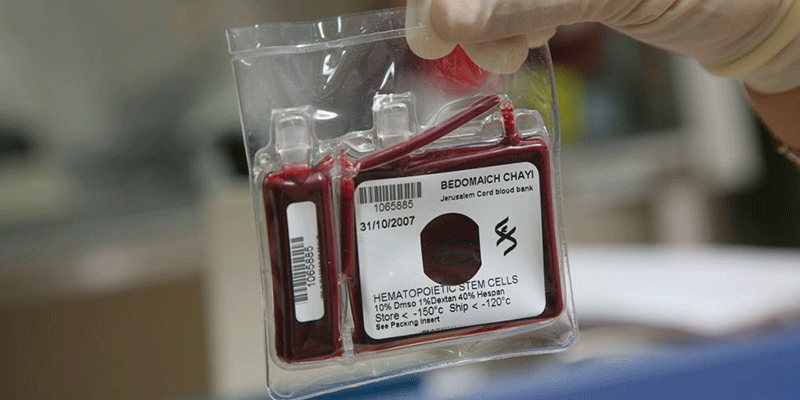
By: Mitchell S. Cairo, MD, FAAP & Allyson Flower, MD
Many parents have questions about umbilical cord blood banking and donation.
The American Academy of Pediatrics policy statement, “Cord Blood Banking for Potential Future Transplantation” calls for renewed emphasis and education about the advantages and need for public cord blood banking.
Stem Cell Transplants
A stem cell transplant can be used to treat children with cancer and other life-threatening diseases including metabolic, immune, and blood disorders. As more newborns are screened for potentially fatal diseases, the number of stem cell transplants has increased as well. Using cord blood for stem cell transplants instead of bone marrow or peripheral blood stem cells is less invasive and expands the number of possible donors. The primary purpose of storing cord blood is so that a child with a potentially fatal disease can receive the banked cord blood from an unrelated matched donor.
Other uses of stored cord blood include:
- Directed donation: When a child with a known disorder has a matched sibling donor. Upon delivery, the newborn sibling’s cord blood can be stored and later used for a stem cell transplant.
- Personal use: The use of a child’s own banked cord blood is limited. For example, if a child develops leukemia, that child’s stored cord blood will likely have the potential to progress to leukemia and cannot be used. Although the future use of a child’s own banked cord blood for regenerative purposes in some chronic diseases is promising, further research is needed.
Public vs. Private Banking
There is a difference between public cord blood banks and private, for-profit cord blood banks.
Public cord blood banking is preferred, here’s why:
- Frequency of use:Cord blood from public blood banks is used more often than privately banked cord blood. Thirty times more publicly banked cord blood units are used for transplants compared to privately banked cord blood.
- Quality:Collection, evaluation and preservation of publicly banked cord blood is highly regulated by accrediting institutions such as the NetCord/Foundation for Accreditation of Cell Therapy, the FACT/Joint Accreditation Committee, and the American Association of Blood Banks. Private cord blood banks may or may not choose to meet these standards. This is why publicly stored cord blood has been shown to be of higher quality—increasing the potential for a successful stem cell transplant. Parents who are thinking about private cord blood banking are encouraged to ask these facilities about accreditation, costs, failure rates of their stored cord blood to achieve successful transplantation, and method of backup electrical systems in case of storage equipment failure. Conflicts of interest and financial disclosures should be provided.
Last Updated 10/30/2017
Source Section on Hematology/Oncology (SOHO) (Copyright © 2017 American Academy of Pediatrics)
The information contained on this Web site should not be used as a substitute for the medical care and advice of your pediatrician. There may be variations in treatment that your pediatrician may recommend based on individual facts and circumstance
Should I Breastfeed or Bottlefeed?

Before your baby arrives, you’ll want to consider whether you’re going to breastfeed or use formula. The American Academy of Pediatrics advocates breastfeeding as the optimal form of infant feeding. Even though formula feeding is not identical to breastfeeding, formulas do provide appropriate nutrition. Both approaches are safe and healthy for your baby, and each has its advantages.
The most practical benefits of breastfeeding are convenience and cost, but there are some real medical benefits, too. Breast-milk provides your baby with natural antibodies that help her resist some types of infections (including ear, respiratory, and intestinal infections). Breastfed babies also are less likely to suffer from allergies that occasionally occur in babies fed cow’s milk formulas. Breastfed infants also may be less likely to develop asthma and diabetes, or become overweight, than those who are bottle-fed.
Mothers who nurse their babies feel there are many emotional rewards. Once the milk supply is established and the baby is nursing well, both mother and child experience a tremendous sense of closeness and comfort, a bond that continues throughout infancy. The first week or two can be challenging for some, but most pediatricians can offer guidance or refer you to a certified lactation consultant for assistance if needed.
If there is a medical reason you cannot breastfeed or you choose not to do so, you still can achieve similar feelings of closeness during bottle-feedings. Rocking, cuddling, stroking, and gazing into your baby’s eyes will enhance the experience for both of you, regardless of the milk source.
Before making your decision on this issue, be sure you thoroughly understand the advantages and disadvantages of breastfeeding and bottle-feeding, and you are aware of all the options available to you. If you decide upon breastfeeding, there are classes available in many communities to help you plan for breastfeeding and get your questions about it answered. Ask your doctor for a referral.
Last Updated 11/2/2009
Source Caring for Your Baby and Young Child: Birth to Age 5 (Copyright © 2009 American Academy of Pediatrics)
The information contained on this Web site should not be used as a substitute for the medical care and advice of your pediatrician. There may be variations in treatment that your pediatrician may recommend based on individual facts and circumstances.
Where We Stand: Circumcision

The American Academy of Pediatrics believes that circumcision has potential medical benefits and advantages, as well as risks. Evaluation of current evidence indicates that the health benefits of newborn male circumcision outweigh the risks and that the procedure’s benefits justify access to this procedure for families who choose it, however, existing scientific evidence is not sufficient to recommend routine circumcision. Therefore, because the procedure is not essential to a child’s current well-being, we recommend that the decision to circumcise is one best made by parents in consultation with their pediatrician, taking into account what is in the best interests of the child, including medical, religious, cultural, and ethnic traditions.
Your pediatrician (or your obstetrician if he or she would be performing the circumcision) should discuss the benefits and risks of circumcision with you and the forms of analgesia that are available.
Last Updated 7/18/2014
Source Caring for Your Baby and Young Child: Birth to Age 5, 6th Edition (Copyright © 2015 American Academy of Pediatrics)
The information contained on this Web site should not be used as a substitute for the medical care and advice of your pediatrician. There may be variations in treatment that your pediatrician may recommend based on individual facts and circumstances.
Why Choose a Pediatrician?

Pediatricians are trained to:
- Help you determine healthy lifestyles for your child and useful ways to role model your choices.
Offer advice to prevent illness and injuries.
- Provide early and appropriate care of acute illness to prevent its progression.
- Treat life-threatening childhood conditions requiring intensive care.
- Guide you in anticipating your child’s needs from newborn to 21.
Experience
As part of their extensive training, pediatricians are experienced in the physical, emotional, and social development of children. Children may be too young or shy to talk so pediatricians understand the importance of listening carefully to your child, and to you. Pediatricians answer your questions, helping you to understand and promote your child’s healthy development. Pediatricians also address issues affecting a child’s family and home environment.
Pediatricians understand that children are not simply small adults.
They often present different symptoms from adults. They may need different prescriptions or treatments than adults. Pediatricians are specially trained to recognize the importance of these differences, especially with young children and newborns.
Last Updated 11/25/2009
Source How Special Is Your Child? (Copyright © 1998 American Academy of Pediatrics)
The information contained on this Web site should not be used as a substitute for the medical care and advice of your pediatrician. There may be variations in treatment that your pediatrician may recommend based on individual facts and circumstances.
Delivery by Cesarean Section

More than one mother in three gives birth by Cesarean section in the United States (it is also called C-section or, simply, section). In a C-section, surgery is performed, with an incision made in the mother’s abdomen and uterus, so the baby can be taken directly from the uterus instead of traveling through the birth canal.
Cesarean sections are done most often when:
- The mother has had a previous baby by Cesarean delivery
- The obstetrician feels that the baby’s health might suffer if born vaginally
- The fetus’s heartbeat slows abnormally or becomes irregular (in which case the obstetrician will perform an emergency C-section instead of taking the chance of allowing labor to progress)
While most babies are in a head-down position in the mother’s uterus, about three in one hundred newborns have their buttocks, feet, or both positioned to come out first during birth (a breech presentation). If your baby has assumed a breech position, your obstetrician will recommend a Cesarean section as the best means of delivery. The reason is because breech babies are more difficult to deliver vaginally, and complications are more likely to occur with a vaginally delivered breech baby. A doctor can determine the baby’s position by feeling the mother’s lower abdomen at particular points; the physician may decide to confirm the breech position by ordering an ultrasound or other tests.
The birth experience with a C-section is very different from that of a vaginal delivery. For one thing, the whole operation ordinarily takes no more than an hour, and—depending on the circumstances—you may not experience any labor at all. Another important difference is the need to use medication that affects the mother and may affect the baby. If given a choice of anesthetic, most women prefer to have a regional anesthesia—an injection in the back that blocks pain by numbing the spinal nerves—such as an epidural or a spinal. Administration of a regional anesthesia numbs the body from the waist down, has relatively few side effects, and allows you to witness the delivery. But sometimes, especially for an emergency C-section, a general anesthetic must be used, in which case you are not conscious at all. Your obstetrician and the anesthesiologist in attendance will advise you which approach they think is best, based on the medical circumstances at the time.
Because of the effects of the anesthesia and the way the baby is delivered, babies born by C-section sometimes have difficulty breathing in the beginning and need extra help. A pediatrician or other person skilled in newborn problems usually is present during a Cesarean section to examine and assist the baby’s breathing, if necessary, immediately after birth.
If you were awake during the operation, you may be able to see your baby as soon as she’s been examined and proclaimed healthy. She may then be taken to the nursery to spend several hours in a temperature-controlled crib or isolette. This allows the hospital staff to observe her while the anesthesia wears off and she adjusts to her new surroundings.
If general anesthesia was used during the delivery, you may not wake up for a few hours. When you do, you may feel groggy and confused. You’ll probably also experience some pain where the incision was made. But you’ll soon be able to hold your baby, and you’ll quickly make up for lost time.
Don’t be surprised if your baby is still affected by the anesthesia for six to twelve hours after delivery and appears a little sleepy. If you’re going to breastfeed, try to nurse her as soon as you feel well enough. Even if she’s drowsy, her first feeding should provide a reason for her to wake up and meet her new world—and you. It will also help stimulate your breastmilk production.
As mentioned, many obstetricians believe that once a woman has a C-section, her subsequent babies should be delivered the same way because of higher rates of complications with vaginal deliveries after previously having a C-section. However, many women are candidates for a vaginal birth after Cesarean section (VBAC). But a decision to do this will depend on a number of factors and should be made together with your doctor.
If you’re the father-to-be, discuss your role and presence in the delivery room and ways you can best support your partner during the birth.
Last Updated 11/2/2009
Source Caring for Your Baby and Young Child: Birth to Age 5 (Copyright © 2009 American Academy of Pediatrics)
The information contained on this Web site should not be used as a substitute for the medical care and advice of your pediatrician. There may be variations in treatment that your pediatrician may recommend based on individual facts and circumstances.
Did You Have Gestational Diabetes When You Were Pregnant?(Part2)

Action Steps for the Whole Family:
- Ask your doctor for an eating plan that will help your children grow and be at a healthy weight.
Help your children make healthy food choices.
be active for at least 60 minutes each day.
- Do things together as a family, such as making healthy meals or playing active games together.
- Limit your kids’ screen time in front of the computer, tablets, smartphones, and TV to 2 hours or less per day.
- Contact your local parks department or local health department to learn where you can find safe places to be active and get healthy foods.
Other Action Steps:
- Tell your doctor or health care team if you had gestational diabetes and/or you want to get pregnant again.
- Breastfeed your baby to help you lose weight and improve your child’s health.
- Make sure your history of gestational diabetes is in your child’s health record.
Things to Remember:
- Get tested for diabetes 6 to 12 weeks after your baby is born.
- Take steps to lower your chances of getting diabetes by being more active and making healthy choices to get back to a healthy weight.
- Help your children be healthy and lower their chances of getting type 2 diabetes.
Last Updated 11/11/2019
Source National Diabetes Education Program (Copyright © 2013)
The information contained on this Web site should not be used as a substitute for the medical care and advice of your pediatrician. There may be variations in treatment that your pediatrician may recommend based on individual facts and circumstances.
Did You Have Gestational Diabetes When You Were Pregnant?(Part1)

Gestational diabetes affects at least 7% and possibly as many as 18% of pregnancies in the United States. It occurs more often in women with a family history of diabetes, overweight or obese women, and Latina, African American, American Indian, Asian, Pacific Islander, and Alaska Native women.
Even if the diabetes goes away after your baby is born, you still have a greater chance of developing type 2 diabetes later in life, and your child from that pregnancy may have a greater chance of being obese and getting type 2 diabetes. The good news is that there are steps you can take to prevent or delay type 2 diabetes and keep your child from that pregnancy healthy.
Action Steps for You:
Get tested for diabetes.
- Get tested for diabetes 6 to 12 weeks after your baby is born. If the test is normal, get tested every 3 years. If the test results show that your blood sugar (glucose) is higher than normal but not high enough to be diabetes, also called prediabetes, get tested for diabetes every year.
- Talk to your doctor about your test results and what you can do to stay healthy.
- If your test results show that you could get diabetes and you are overweight, ask your doctor about what changes you can make to lose weight and for help in making them. You may need to take medicine such as metformin to help prevent type 2 diabetes.
Change the foods you eat and be more active.
- Choose healthy foods such as:
- Fruits that are fresh, frozen, or canned in water
- Lean meats, chicken and turkey with the skin removed, and fish
- Skim or low-fat milk, cheese, and yogurt
- Vegetables, whole grains, dried beans, and peas
- Drink water instead of juice and regular soda.
- Eat smaller amounts of food to help you reach and stay at a healthy weight. For example, eat a 3-ounce hamburger instead of a 6-ounce hamburger. Three ounces is about the size of your fist or a deck of cards.
Be more active each day.
- Try to get at least 30 minutes of activity, 5 days a week. It is okay to be active for 10 minutes at a time, 3 times a day. Walk with friends, swim, or garden to move more.
- Try to get back to a healthy weight. Talk to your health care team about a plan to help you lose weight slowly. Being at a healthy weight can help reduce your chances of getting type 2 diabetes.
Last Updated 11/11/2019
Source National Diabetes Education Program (Copyright © 2013)
The information contained on this Web site should not be used as a substitute for the medical care and advice of your pediatrician. There may be variations in treatment that your pediatrician may recommend based on individual facts and circumstances.
Monitoring the Situation

Modern parents now have the option of using baby monitors to listen to or even watch their babies from afar. Many parents find that monitors buy them peace of mind—allowing them to roam freely around the house while still keeping close tabs on their babies. If you choose to use a monitor, you may want to keep the following considerations in mind:
- Range.Baby monitors are only as good as their technological limitations, so we suggest you take a look at what kind of “listening”range they each offer.
- It works both ways. In more densely populated neighborhoods, apartments, or townhouses you may pick up interference from other baby monitors. Not only do you run the risk of eavesdropping on neighboring households, but your monitor-owning neighbors stand an equally good chance of hearing what’s going on in the monitored room(s) in your house as well.
- Disrupting the peace.Some of you may find that leaving the monitor on at night significantly disturbs whatever limited sleep you stand to get—causing you to be wide awake in response to your slumbering baby’s every twitch or snort.
- Channel surfing. In this age of modern electronics there’s more than enough to interfere with your monitor, including cordless phones, cell phones, radio stations, and other monitors. Try to find a monitor with good reception and more than one channel to decrease the likelihood of interference. We also suggest holding onto your receipt in case you run into any unforeseen technological conflicts that become apparent only once you put the monitor to use at home.
- Bells and whistles.Give some thought to which bells and whistles you really want and which simply serve to raise the price. Some of the available added features include a portable receiver with a belt clip, 2-way walkie-talkie radio capability, a receiver that vibrates or flashes lights so you can leave the sound turned off, and the possibility of purchasing multiple portable receivers that can accompany a single base station.
- Nothing beats the real thing.Never let your baby monitor substitute for taking sensible safety measures. There is no evidence that using a monitor will decrease the chance of SIDS.
Author Laura A. Jana, MD, FAAP and Jennifer Shu, MD, FAAP
Last Updated 11/12/2009
Source Heading Home With Your Newborn, 2nd Edition (Copyright © 2010 American Academy of Pediatrics)
The information contained on this Web site should not be used as a substitute for the medical care and advice of your pediatrician. There may be variations in treatment that your pediatrician may recommend based on individual facts and circumstances.


