“Dining In” with a Newborn(Part3)
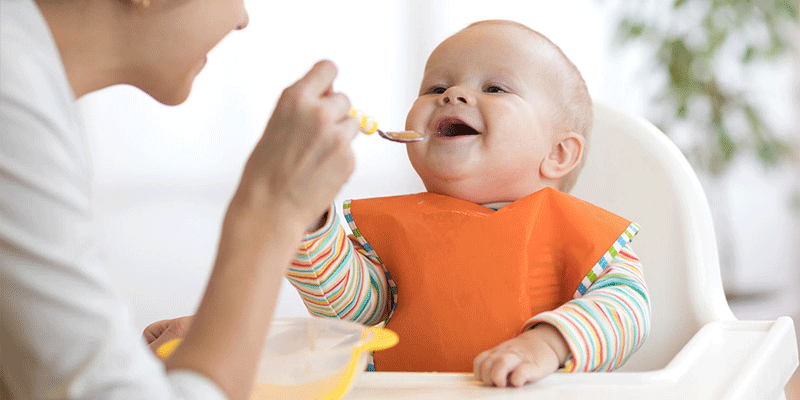
There is much to consider with baby formula. For starters, here are some tips for making sure your baby gets what she needs from her formula:
- Look for formula that is iron-fortified. Iron is a critical part of a healthy baby diet. Some people mistakenly assume that iron causes stomach pain or constipation in infants. In fact, babies only absorb a small percentage of the iron in their food, and most babies tolerate iron-enriched formulas without a problem. If you have concerns about this, talk with your pediatrician.
- Consider how often you intend to use formula for feeding before buying a certain type. Also factor in whether you want to pay for the added convenience of ready-to-feed, or if using powdered formula on the road, or at home, better suits your needs and your budget.
- Stock up. If there’s one thing you never want to run out of, it’s food for your baby. Before you do this, however, make sure your baby is happy with the formula you’ve chosen. Also, keep an eye peeled for coupons and sales. Check the expiration dates, too; you don’t want to buy more than you can use before that date.
- It’s worth mentioning that about 10 percent of babies have a condition called milk soy protein intolerance (MSPI). These babies tend to start fussing soon after eating, spit up, become gassy, or have problems with constipation or diarrhea. If your baby reacts this way to eating formula, talk with your pediatrician.
Last Updated 11/2/2009
Source Adapted from Healthy Children Magazine, Fall 2006
The information contained on this Web site should not be used as a substitute for the medical care and advice of your pediatrician. There may be variations in treatment that your pediatrician may recommend based on individual facts and circumstances.
“Dining In” with a Newborn(Part2)

Here are some tips for writing your own breastfeeding success story:
- If all goes well with the birth of your baby and you’re both doing well after delivery, start breastfeeding as soon as possible—right there in the hospital. This is a great time to start because you have professional help immediately on hand to get you started in the right direction.
- Ask for help.Starting with the staff at the hospital, there is a wealth of breastfeeding resources available to you and your baby, including the La Leche League and Internet discussion groups, message boards, and chat rooms. See Finding a Breastfeeding Friendly Doctor.
- Focus on getting the process of “latching“(how your baby attaches to your breast) down pat. First, make yourself comfortable; use pillows for support and put anything you might need during breastfeeding within easy reach. Then get your baby interested in breast milk by rubbing a few drops around your nipple. If baby doesn’t respond, try stroking around his mouth to stimulate what’s known as the “rooting reflex.”If he still doesn’t open wide enough, gently press down on the chin.
- Don‘t settle for “almost on:”Improper latching on can quickly result in sore breasts and a frustrated (and still hungry) baby. Keep repositioning until baby’s tongue is under the nipple, so he can draw the nipple and the darker-colored area around the nipple (called the areola) into his mouth. This will make breastfeeding success more likely for you both.
Formula (for) One?
So if breastfeeding is so clearly beneficial, is formula even acceptable for feeding your newborn? The answer is yes. In fact, most parents will use formula at some point during their child’s first year. And while formula can’t exactly match the nutritional makeup of breast milk and doesn’t contain the added benefit of infection-fighting antibodies, it nevertheless serves a very valuable purpose for those who are not able or choose not to breastfeed.
There are three basic types of formula—those based on cow milk, those based on soy, and those that are “specialized,” “hypoallergenic,” or “elemental” (which means the formula’s components are broken down for easier digestion). Most babies do fine with the first two types, and that’s a good thing; elemental formula is more expensive, sometimes costing twice as much as the first two types.
Last Updated 11/2/2009
Source Adapted from Healthy Children Magazine, Fall 2006
The information contained on this Web site should not be used as a substitute for the medical care and advice of your pediatrician. There may be variations in treatment that your pediatrician may recommend based on individual facts and circumstances.
“Dining In” with a Newborn(Part1)
Going home with a newborn in your arms means the beginning of a whole new life for you and your family. Managing the differences between expectations and reality—especially in terms of feeding your baby—can go a long way toward making it not just a smooth transition, but also a time of joy. You get home from the maternity ward with a new baby in your arms, your emotions all swirling and perhaps your worries stoked, too. Now what?
Those first few weeks are all about transitions. No matter what, life is about to change in a big way. In our book, Heading Home with Your Newborn: From Birth to Reality, our goal is to help you ease into your new lifestyle with reasonable expectations and a positive attitude regarding the inevitable changes and challenges that lie ahead. To borrow a line from a popular children’s book, we want to leave you telling yourself, “I think I can, I think I can …”
How can you prepare, and how can you adjust when things don’t go quite the way you had in mind? Let’s take a closer look at one of the biggies: feeding.
Breast Choices
You‘ve probably heard it before: “Breast is best.“ But is it really?
Yes, from both a nutritional and infection prevention standpoint. Breast milk is currently unrivaled as the ideal food for infants. The infection fighting antibodies it contains just can’t be bottled in even the most expensive of commercial formulas, and breast milk has been shown to reduce a newborn’s chance of developing everything from ear infections, allergies, vomiting, and diarrhea to pneumonia, meningitis, and potentially even sudden infant death syndrome.
True, breastfeeding is “natural.” But that doesn’t mean that getting started with breastfeeding is easy. Those first couple of weeks can be challenging, because in reality, there is usually a period of self-education and on-the-breast training. We recommend taking it step by step, keeping a few precautions in mind, and being patient as you and your baby learn how to do it. Remember, millions of women have successfully breastfed their babies; you can do it, too.
Last Updated 11/2/2009
Source Adapted from Healthy Children Magazine, Fall 2006
The information contained on this Web site should not be used as a substitute for the medical care and advice of your pediatrician. There may be variations in treatment that your pediatrician may recommend based on individual facts and circumstances.
Tips for Buying Baby Furniture & Baby Equipment(Part2)

Keep Everything Clean
Everything in the nursery should be kept clean and dust-free. All surfaces, including window and floor coverings, should be washable. So should all toys that are left out. Although stuffed animals look cute around newborns (they seem to be a favorite shower gift), they tend to collect dust and may contribute to stuffy noses. Since your baby won’t actively play with them for many months, you might consider storing them until she’s ready for them.
Cool Mist Humidifiers
If the air in the nursery is extremely dry, your pediatrician may recommend using a cool mist humidifier. This also may help clear your child’s stuffy nose when she has a cold. If you do use a humidifier, clean it frequently as directed in the package instructions and empty it when not in use. Otherwise, bacteria and molds may grow in the still water. Steam vaporizers are not recommended because of the danger of scalding.
Mobiles
One object that your baby is sure to enjoy is a mobile. Look for one with bright colors (the first color she’ll see is red) and varied shapes. Some also play music. When shopping for a mobile, look at it from below so that you’ll know how it appears from your baby’s point of view. Avoid the models that look good only from the side or above—they were designed more for your enjoyment than for the infant’s. Make sure you remove the mobile at five months of age or as soon as your baby can sit up, because that’s when she’ll be able to pull it down and risk injury.
Other Useful Equipment
Other useful additions to the nursery may include a rocking chair or glider, a music box or musical toy and a tape, CD, or MP3 player. The rocking motion of the chair will increase the soothing effect your baby feels when you hold her. Playing soft music for your baby will comfort her when you’re not nearby and will help her fall asleep.
Lighting
You will want to keep the lights in the nursery soft once your newborn has arrived and leave a night-light on after dark. The night-light will allow you to check on the baby more easily, and as she gets older, it will reassure her when she awakens at night. Make sure all lights and cords are kept safely out of the baby’s reach.
Last Updated 11/12/2009
Source Caring for Your Baby and Young Child: Birth to Age 5, 6th Edition (Copyright © 2015 American Academy of Pediatrics)
The information contained on this Web site should not be used as a substitute for the medical care and advice of your pediatrician. There may be variations in treatment that your pediatrician may recommend based on individual facts and circumstances.
Tips for Buying Baby Furniture & Baby Equipment(Part1)

Walk into any baby store and you probably will be overwhelmed by the selection of equipment available. A few items are essential, but most things, while enticing, are not necessary. In fact, some are not even useful.
To help you sort through the options, here is a list of the basic necessities you should have on hand when your baby arrives:
- A crib that meets all safety specifications. New cribs sold today must meet these standards, but if you’re looking at used cribs, check them carefully to make sure they meet the same standards and have not been recalled. Unless you have money to spare, don’t bother with a bassinet. Your baby will outgrow it in just a few weeks.
- Bedding for the crib, including a flannel-backed, waterproof mattress cover (which is cooler and more comfortable for your baby than plain plastic or rubber covers), and tight fitted sheets. Never use infant cushions that have soft fabric coverings and are loosely filled with plastic foam beads or pellets. Remove all pillows, quilts, comforters, sheepskins, and other pillow like soft products. Remember that the safest position for a baby to sleep in is on her back.
- A changing table that meets all safety specifications. It should be placed on a carpet or padded mat and against a wall, not a window, so there is no danger of your child falling out the window. Put shelves or tables to hold diapers, wipes, and other changing equipment within immediate reach (but away from the baby’s reach), so you will not have to step away from the table—even for a second—to get anything.
- A diaper pail. Keep the pail securely closed. If you are going to wash your own diapers, you’ll need a second pail so you can separate wet diapers from “soiled” ones.
- A large plastic washtub for bathing the baby. As an alternative to the washtub, you can use the kitchen sink to bathe your newborn, provided the faucet swings out of the way and the dishwasher is off. (The water from the dishwasher could dump into the sink, resulting in scalding.) After the first month, it’s safer to switch to a separate tub, because the baby will be able to reach and turn on the faucet from the sink. Always make sure the bathing area is very clean before bathing your baby. Also, be sure the hottest temperature at the faucet is no more than 120 degrees Fahrenheit (48.9 degrees Celsius) to avoid burns. In most cases, you can adjust your water heater.
Last Updated 11/12/2009
Source Caring for Your Baby and Young Child: Birth to Age 5, 6th Edition (Copyright © 2015 American Academy of Pediatrics)
The information contained on this Web site should not be used as a substitute for the medical care and advice of your pediatrician. There may be variations in treatment that your pediatrician may recommend based on individual facts and circumstances.
Delivery: What About the Pain?
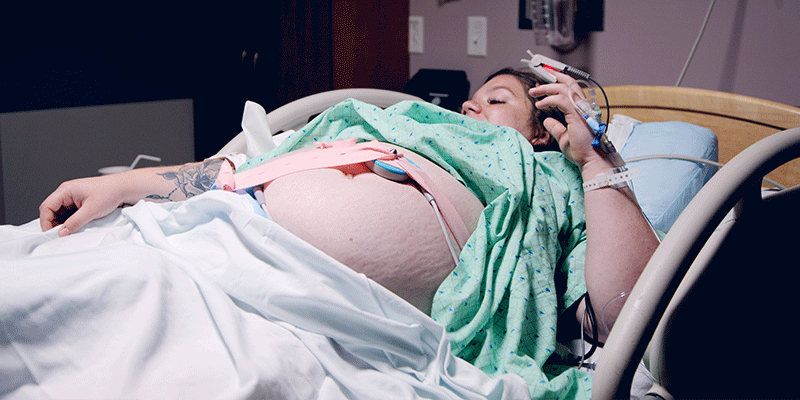
Pain levels during delivery vary from one woman to another. For some, the process can be very painful, but women can often turn to relaxation and breathing techniques (taught in their childbirth classes) to help them deal with the discomfort. Massage on the lower back by a spouse or other labor coach often eases discomfort as well, as does taking a bath or shower (if allowed) or applying ice packs to the back.
If an episiotomy (surgical incision in vaginal area) is needed to ease the baby’s head through the birth canal, a local anesthetic is injected ahead of time to make the area numb. Local anesthetics given in this manner almost never have any negative effects upon the baby.
As labor progresses, many women decide to have medication to ease the pain of the contractions. These include:
- Narcotic (opioid) medications given as a shot or through an intravenous catheter. These medications make the labor pains more tolerable but can slow the baby’s breathing if given very close to delivery.
- Numbing medicines given in the spinal region to reduce the intensity of the contractions. This is generally referred to as epidural analgesia or an epidural block. A small tube called a catheter is placed into the epidural space, an area just outside of the spinal cord region. Medicines are then given through this catheter to decrease the feeling in your abdomen and make the contractions less painful. Pain relief generally begins within ten to twenty minutes. Most of the time these medications are given in small enough doses so that you are still alert, aware of the contractions (though they are not as painful), and still have enough strength to push the baby down the birth canal. Side effects or complications are rare, but may include headaches or a drop in your blood pressure.
If your doctor decides that a Cesarean section is necessary, there are three options for pain relief/anesthesia:
- Additional numbing medicine can be given through an epidural catheter to make your entire lower body numb ( from below your rib cage to your toes). If you already had an epidural catheter placed to ease the labor pain, then extra medicine can be given through this catheter to make you numb enough for surgery. The advantage of this type of anesthesia is that the baby will not be as sleepy and you can be awake when the baby is born.
- If you are having a scheduled Cesarean section, your doctor may recommend a spinal block. This is a single injection into the fluid surrounding the spinal cord. Spinal blocks are very quick and easy to perform and generally make you even more numb than an epidural block. Pain relief begins immediately. One difference between a spinal and an epidural block is that a spinal is a one-time shot of pain medication that wears off on its own in several hours, instead of being administered continuously through a catheter. Side effects or complications are rare, but are similar to an epidural.
- If the surgery needs to be performed as an emergency or you have a medical issue that would make an epidural or spinal block dangerous for you, medicines can be given that will make you lose consciousness or “go to sleep”(general anesthesia). This can make the baby very sleepy when he/she is born and affect the baby’s breathing. When general anesthesia is given, the baby must be delivered very quickly in order to decrease these effects, so epidural or spinal blocks are preferred when possible.
Last Updated 11/2/2009
Source Caring for Your Baby and Young Child: Birth to Age 5 (Copyright © 2009 American Academy of Pediatrics)
The information contained on this Web site should not be used as a substitute for the medical care and advice of your pediatrician. There may be variations in treatment that your pediatrician may recommend based on individual facts and circumstances.
Pediatricians and the Health Care Team

You will find that we tend to refer to babies’ health care providers as pediatricians as a matter of convenience, and the American Academy of Pediatrics (AAP) does believe that pediatric health care is optimally delivered by a pediatrician. There are also, however, non-physician clinicians who are important members of the pediatric health care team and who also care for babies and children.
- MD and DO. If doctors have an MD after their names, it simply tells you that they attended a “traditional”medical school. Others have the initials DO after their names—a designation that tells you they are graduates of osteopathic medical schools. MD and DO medical schools train physicians, and both types of doctors can go on to do pediatric residency training specializing in the care of children. While there are some differences between these 2 types of physicians, both are educated about normal human health and disease conditions.
- Board-certified pediatrician. Board-certified pediatricians are physicians who have graduated college, completed 4 years of medical school, and have at least 3 years of “on-the-job”training (residency) in pediatrics. To become board certified, pediatricians must also pass a rigorous examination given by the American Board of Pediatrics (ABP). To remain board certified, pediatricians have to maintain ongoing education in pediatrics, demonstrate quality patient care, and hold a valid medical license. These certification requirements help ensure that certified pediatricians (including specialists) have sufficient knowledge and skills to provide quality care for children of all ages.
- Family physician. Family practice doctors can be either MDs or DOs and, like pediatricians, also complete medical school and at least 3 years of “on-the-job”training (in a family medicine residency). Like pediatricians, family physicians must also pass an examination and meet several criteria to become board certified and then renew their certification. Unlike pediatricians, however, family physicians do not limit their practice to the care of children from birth through adolescence. As their titles imply, they care for patients of all ages.
- Nurse practitioner. In some instances, you may find that your baby is scheduled to see a pediatric or family nurse practitioner. These health care providers are registered nurses with additional education. Those who specialize in pediatrics generally have specific advanced training in caring for children. Nurse practitioners may work in your doctor’s office as part of a physician-led team.
Whomever you choose, you’ll want to make sure that they have the training and/or experience to offer guidance on the health- and illness-related matters you may encounter—many of which are unique to childhood.
- Use our Find a Pediatrician tool to search for an AAP member pediatrician, pediatric sub-specialist, or pediatric surgical specialist near you.
Author Laura A. Jana, MD, FAAP and Jennifer Shu, MD, FAAP
Last Updated 11/12/2009
Source Adapted from Heading Home With Your Newborn, 2nd Edition (Copyright © 2010 American Academy of Pediatrics)
The information contained on this Web site should not be used as a substitute for the medical care and advice of your pediatrician. There may be variations in treatment that your pediatrician may recommend based on individual facts and circumstances.
Depression During & After Pregnancy: You Are Not Alone(Part3)
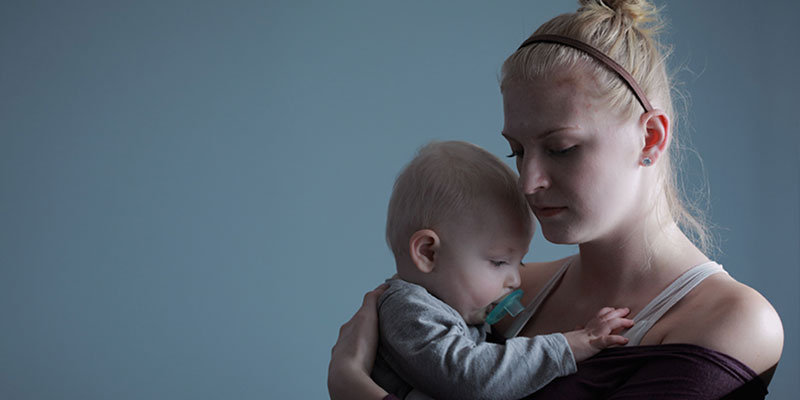
Postpartum Psychosis
A very small number of women (1 or 2 in 1,000 women) suffer a rare and severe form of depression called postpartum psychosis. Women who have been diagnosed with bipolar disorder or a condition called schizoaffective disorder are at higher risk for getting postpartum psychosis.
The symptoms of postpartum psychosis typically begin during the first 4 weeks after delivery and may include:
- Extreme confusion
- Hopelessness
- Cannot sleep ﴾even when exhausted﴿
- Refusing to eat
- Distrusting other people
- Seeing things or hearing voices that are not there
- Thoughts of hurting yourself, your baby, or others
Postpartum psychosis is temporary and treatable with professional help, but it is an emergency and requires immediate help.
Partners Also Get Depressed
New fathers are also at an increased risk of developing depression. In general, men are more likely to avoid expressing and discussing their emotions. They deny that they are at risk and do not seek help when they need it. However, fathers with depression struggle to support their partners and children; this increases a mother’s risk of depression. Depression in fathers is believed to be just as treatable, but it often is not recognized. See Dads Can Get Depression During and After Pregnancy, Too for more information.
There is not much research on depression in same-sex or nonbiological parents, but clinical experience suggests that starting a new family can be a difficult transition for all parents. Therefore, any parent who has difficulty coping with the stress of parenting or experiences any symptoms of depression should talk with a their doctor or child’s pediatrician.
Talk to a Health Care Professional
Screening for depression once during your pregnancy and at 1, 2, 4, and 6 months after pregnancy should be a routine part of yours and your baby’s health care. Health care professionals—such as your doctor, your baby’s doctor, a nurse, or other health care provider—are familiar with the types of depression new and expectant mothers face. They know ways to help and can explain your options to you. They are ready to listen to you and can put you on the road to recovery.
Remember…
Any woman may become depressed during pregnancy or after having a baby. It doesn’t mean you are a bad or “not together” mom. In fact, getting treatment and support helps you care for your baby. You and your baby don’t have to suffer. There is help available.
All children deserve the chance to have a healthy mom. And all moms deserve the chance to enjoy their life and their children. If you are feeling depressed during pregnancy or after having a baby, don’t suffer alone. Please tell a loved one and call your doctor right away.
Last Updated 12/17/2018
Source American Academy of Pediatrics (Copyright © 2018)
The information contained on this Web site should not be used as a substitute for the medical care and advice of your pediatrician. There may be variations in treatment that your pediatrician may recommend based on individual facts and circumstances.
Depression During & After Pregnancy: You Are Not Alone(Part2)

Types of Depression During & After Pregnancy
Depression during and after pregnancy is typically divided into the following categories: (1) the baby blues (2) perinatal depression (encompassing prenatal and postpartum depression) and (3) postpartum psychosis. In all cases, help is available.
The Baby Blues
Many women have the baby blues in the days after childbirth. In fact, it is estimated that 50% to 80% of all mothers experience “postpartum blues” after birth. For most women, the baby blues is temporary—it’s usually gone within a few days and lasting up to 2 weeks after childbirth.
If you have the baby blues, you may:
- Have mood swings
- Feel sad, anxious, or overwhelmed
- Have crying spells
- Lose your appetite
- Have trouble sleeping
The symptoms aren’t usually severe, and there are effective ways to handle them:
- Get plenty of sleep. Take naps when your baby does.
- Take the pressure off yourself. You can’t do everything by yourself—who can? Do what you can and leave the rest for later or for others to take care of.
- Avoid spending too much time alone.
- Get help and support from your spouse or partner, family members, and friends.
- Join a support group for new mothers.
- Get plenty of exercise.
Perinatal Depression (encompassing prenatal and postpartum depression)
Perinatal depression is a term that includes both prenatal depression (during pregnancy) and postpartum depression (in the first year following childbirth). The symptoms of perinatal depression last longer than “the baby blues” and are more severe. It occurs in about 1 in 5 women.
Pregnant and new mothers who find themselves overwhelmed, frustrated, anxious, persistently teary, or depressed should not be silent or ashamed. Instead, they should talk with their doctors right away and get the support—and in some cases, the treatment—they need.
Symptoms of perinatal depression can range from mild to severe. They can include the same symptoms of the baby blues, but can also include:
- Sleeping too much or not at all
- Lack of joy in life
- Emotional numbness
- Trouble concentrating, remembering things, and making decisions
- Loss of interest in caring for yourself
- Not feeling up to doing everyday tasks
- Withdrawal from family and friends
- Loss of sexual interest or responsiveness
- A strong sense of failure or inadequacy
- Severe mood swings
- Showing too much ﴾or not enough﴿ concern for the baby
- High expectations and overly demanding attitude
- Difficulty making sense of things
There are effective treatments for perinatal depression. Most often, treatment will include talk therapy or at times some combination of antidepressant medication, talk therapy, and supportive community resources. Many women do not seek treatment despite their effectiveness. Some are hesitant specifically when considering antidepressant medications out of concern for any health risk they pose to their baby. It is important to discuss any concerns carefully with your doctor.
The same tips for getting through “the baby blues” can also be very helpful in getting through postpartum depression. Whatever steps you and your doctor decide are best, it’s important that you stick to your treatment plan for depression. If things are not getting better, don’t hesitate to reach out to your doctor or your child’s pediatrician.
Last Updated 12/17/2018
Source American Academy of Pediatrics (Copyright © 2018)
The information contained on this Web site should not be used as a substitute for the medical care and advice of your pediatrician. There may be variations in treatment that your pediatrician may recommend based on individual facts and circumstances.
Depression During & After Pregnancy: You Are Not Alone(Part1)

Did things change after you became pregnant?
Are things different than you expected as a new mother?
For many mothers, the experience of pregnancy and childbirth is often followed by sadness, fear, anxiety, and difficulty making decisions. Many women have difficulty finding the energy to care for themselves, their infants, and their families. Some even have feelings about harming themselves and their children. These may be symptoms of depression. If this sounds like you or someone you know, there are two important things you should know.
You are not alone. Help is near.
This article will begin to explain the possible causes for your feelings—and more importantly— how to find the help you need.
Hormones as Triggers
There are many reasons why you may get depressed. As a woman, your body undergoes many hormonal changes during and after pregnancy. When a woman is pregnant, her body produces the female hormones estrogen and progesterone in much greater amounts. But in the first 24 hours after childbirth, these hormone levels drop rapidly back down to their non‐pregnant levels. These hormone changes may lead to depression in a similar way that menstrual hormone changes can trigger similar symptoms during and after your period.
In some women, another possible cause of these symptoms following pregnancy is a drop in thyroid hormones, which are produced by the thyroid gland (located in the neck). These hormones help regulate the way your body uses energy. Low thyroid levels can cause depressed or irritated moods, problems with sleep and concentration, and weight gain.
Combine these changes in your body with the dramatic changes in your life—the normal feelings of being overwhelmed with new responsibilities, pressures to be a “great” mom, a sense of loss regarding the life you had before—and you can be at risk for the baby blues, perinatal/postpartum depression, or rarely postpartum psychosis.
Risk Factors
Some women are more at risk for depression during and after pregnancy:
- A mother’s personal history of depression or another mental illness is the largest overall risk factor
- A family history of depression or another mental illness
- A lack of support from family and friends
- Depression or mental illness in the woman’s partner
- Anxiety or negative feelings about the pregnancy
- Problems with a previous pregnancy or birth
- Marriage or money problems
- Stressful life events
- Pregnancy at a young age
- Substance use disorders
- Family violence
- Chronic illness
The risk is also higher with multiple births, preterm birth, and congenital or acquired physical or neurodevelopmental deficits in the infant. Stressful transitions, such as returning to work, may also be a risk factor.
Minority, immigrant, and refugee populations are especially at risk, because they face the added stress of adjusting to and learning to function in a new environment without as much local family support and with added financial concerns or cultural barriers.
While these risk factors help identify those more likely to develop perinatal depression, any woman can be affected during pregnancy or in the year following childbirth.
Last Updated 12/17/2018
Source American Academy of Pediatrics (Copyright © 2018)
The information contained on this Web site should not be used as a substitute for the medical care and advice of your pediatrician. There may be variations in treatment that your pediatrician may recommend based on individual facts and circumstances.
Registering for Baby Clothes

As your due date nears, you’ll need a basic collection of baby clothes and accessories that will get your newborn through his first few weeks.
A Suggested Starting List to Register For Includes:
- 3 or 4 pajama sets (with feet)
- 6 to 8 T- shirts
- 3 newborn sleep sacks
- 2 sweaters
- 2 bonnets/hats
- 4 pairs of socks or booties
- 4 to 6 receiving/swaddle blankets
- 1 set of baby washcloths and towels (look for towels with hoods)
- 3 to 4 dozen newborn-size diapers
- 3 to 4 onesies/T- shirts with snaps between legs
Guidelines on Making Baby Clothes Choices
Here are some suggestions to keep in mind when selecting clothing for your newborn:
- Buy big.Unless your baby is born prematurely or is very small, she probably will outgrow “newborn” sizes in a matter of days—if she ever fits into them at all! Even three-month sizes may be outgrown within the first month. You’ll want a couple of garments that your child can wear in the very beginning, but concentrate on larger sizes for the rest of the wardrobe. Your baby won’t mind if her clothes are slightly large for a while, or if she wears the same outfit every day.
- To avoid injury from a garment that catches fire, all children should wear flame-retardant sleepwear and clothing. Make sure the label indicates this. These garments should be washed in laundry detergents, not soap, because soap will wash out the flame retardant. Check garment labels and product information to determine which detergents to use.
- Make sure the crotch opens easily for diaper changes.
- Avoid any clothingthat pulls tightly around the neck, arms, or legs or has ties or cords. These clothes are not only safety hazards, but are also uncomfortable.
- Check washing instructions. Clothing for children of all ages should be washable and require little or no ironing.
Do not put shoes on a newborn’s feet. Shoes are not necessary until after she starts to walk. Worn earlier, they can interfere with the growth of her feet. The same is true of socks and footed pajamas if they’re too small and worn for a prolonged period of time.
Last Updated 11/12/2009
Source Caring for Your Baby and Young Child: Birth to Age 5, 6th Edition (Copyright © 2015 American Academy of Pediatrics)
The information contained on this Web site should not be used as a substitute for the medical care and advice of your pediatrician. There may be variations in treatment that your pediatrician may recommend based on individual facts and circumstances.
Bringing Baby Home: How to Prepare for the Arrival of Your Newborn(Part2)

Finding a Pediatrician
As a new parent, it’s important to find a pediatrician with whom you feel comfortable. If your child becomes ill, you want to have a good working relationship with a doctor you trust and respect, and who will be there to support you.
Begin by evaluating the pediatrician practices in your local area. Determine whether it matters to you if you have a male or female pediatrician. Be aware that while it’s all the same to infants, some children as they get older feel more at ease working with a doctor of the same sex. If possible, visit the offices and meet the physicians in person. Or find out if your hospital has a “Meet the Doctors” night attended by area pediatricians.
Since you’ll be visiting a pediatrician shortly after bringing your child home, don’t leave this task until the last minute. “You have nine months to plan. You should always choose your pediatrician beforehand,” says Dr. Bhutani.
Quick Tips: Time to Call the Doctor
Watch for these signs that it‘s time to call your pediatrician:
- Your newborn’s breathing is faster or irregular
- You notice blueness or a darkness on the lips or face
- Your newborn has a fever
- Your newborn’s body temperature has dropped
- You see signs of dehydration (less than 3 to 4 wet diapers in a 24-hour period)
- Your baby’s belly button or circumcision area looks infected
- Your newborn’s jaundice does not decrease by the fifth day
- Your baby is crying a lot or appears sluggish
- You think your baby is not looking or feeling well
Quick Tips: Choosing a Pediatrician
The following are a few questions from the AAP to help you select a pediatrician:
- What are the office hours? Is emergency coverage available 24/7?
- Which hospital does the pediatrician use?
- Do they accept your insurance plan and how does the office process billing and claims?
- What are the qualifications of the pediatrician? Is he or she an AAP member (i.e., “FAAP,”a Fellow of the American Academy of Pediatrics)?
Last Updated 11/2/2009
Source Healthy Children Magazine, Back to School 2008
The information contained on this Web site should not be used as a substitute for the medical care and advice of your pediatrician. There may be variations in treatment that your pediatrician may recommend based on individual facts and circumstances.


