The hazards of less sleep for a two-month baby
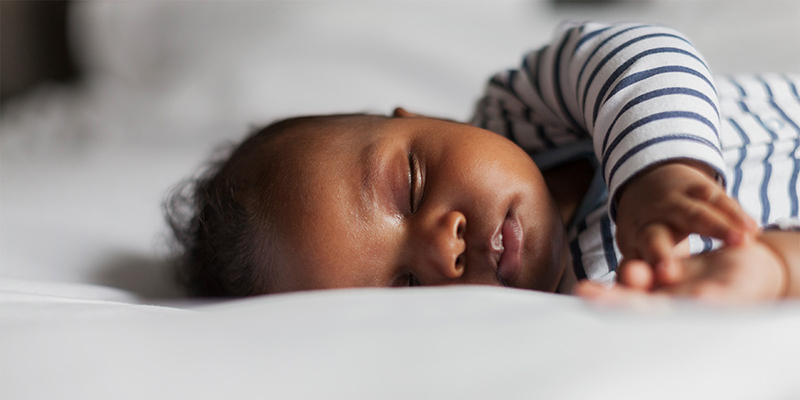
Pediatric experts said that babies often cry, sleep and sweat, etc., mostly because of too little sleep time. It is conceivable that if the baby sleeps too little, it is still very harmful to the baby. So, what is the harm of a two-month baby sleeping too little?
1. Poor memory
Insufficient sleep time, or staying up late for a long time, although it will not make the baby stupid as mentioned in the news, it will cause the baby’s memory to decline and slow response.
2. Prone to obesity
Baby sleeps too little, hormones in the body will change, and appetite will increase, especially those who prefer to eat high-calorie foods. After a long time, they will get fat easily.
3. The body is not tall
According to relevant research, babies who sleep too little will reduce the secretion of growth hormone in the body, which makes them easy to grow.
4. Decreased immunity
Sleeping too little baby’s immune system will be affected, which may lead to endocrine disorders, not only do not grow tall, but also get sick easily.
5. More grumpy
If the baby sleeps too little for a long time, the mood is easily unstable, and over time, the temper will become more irritable.
Finding a Pediatrician(Part1)
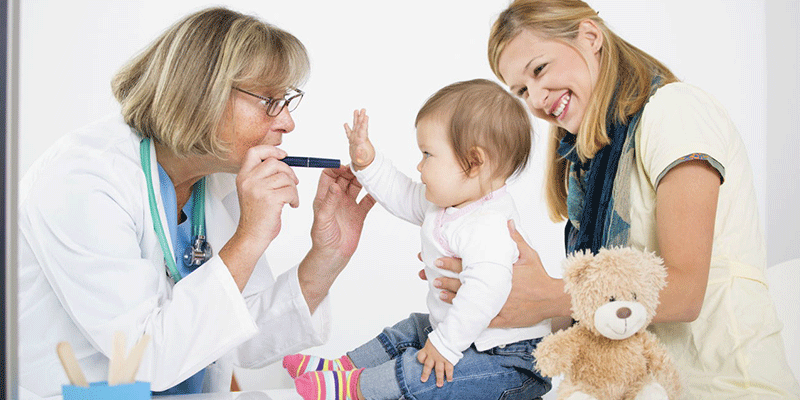
The best way to start looking for a pediatrician is by asking other parents you know and trust. They are likely to know you, your style, and your needs. You also should consider asking your obstetrician for advice. She will know local pediatricians who are competent and respected within the medical community. If you’re new to the community, you may decide to contact a nearby hospital, medical school, or county medical society for a list of local pediatricians. If you are a member of a managed care plan, you probably will be required to choose a pediatrician from among their approved network of doctors.
Once you have the names of several pediatricians you wish to consider, start by contacting and arranging a personal interview with each of them during the final months of your pregnancy. Many pediatricians are happy to fit such preliminary interviews into their busy schedules. Before meeting with the pediatrician, the office staff should be able to answer some of your more basic questions:
- Is the pediatrician accepting new patients with my insurance or managed care plan?
- What are the office hours?
- What is the best time to call with routine questions?
- How does the office handle billing and insurance claims? Is payment due at the time of the visit?
Both parents should attend the interviews with pediatricians, if possible, to be sure you both agree with the pediatrician’s policies and philosophy about child rearing. Don’t be afraid or embarrassed to ask any questions. Here are a few suggestions to get you started.
How soon after birth will the pediatrician see your baby?
Most hospitals ask for the name of your pediatrician when you’re admitted to deliver your baby. The delivery nurse will then phone that pediatrician or her associate on call as soon as your baby is born. If you had any complications during either your pregnancy or the delivery, your baby should be examined at birth, although this exam may be conducted by a staff pediatrician or neonatologist at the hospital if your pediatrician is not there at the time of delivery. Otherwise, the routine newborn examination can take place anytime during the first twenty-four hours of life. Ask the pediatrician if you can be present during that initial examination. This will give you an opportunity to learn more about your baby and get answers to any questions you may have. Your baby will undergo routine newborn tests that will screen for hearing and jaundice levels as well as thyroid and other metabolic disorders.
Other tests may need to be done if your baby develops any problems after birth or to follow up on any unusual findings on your prenatal sonograms.
Last Updated 11/12/2009
Source Caring for Your Baby and Young Child: Birth to Age 5 (Copyright © 2009 American Academy of Pediatrics)
The information contained on this Web site should not be used as a substitute for the medical care and advice of your pediatrician. There may be variations in treatment that your pediatrician may recommend based on individual facts and circumstances.
Causes of poor sleep for a two-month baby

Originally, when the baby was two months old, nearly two-thirds of the time every day was needed to sleep. But many novice mothers find that their babies always have trouble sleeping, and sometimes they wake up immediately after falling asleep. What causes the baby’s poor sleep?
First, not establishing good sleep habits
Many two-month-old babies always wake up 1-2 times at night, and some babies have difficulty falling asleep after waking up at night, which leads to poor sleep quality at night. This happens mostly because parents have not established good sleeping habits for their babies. Some parents don’t even want to help the baby build up the awareness of healthy insomnia. The baby will go to sleep whenever he wants, and the baby will sleep when he wakes up.
Second, the baby has poor sleep habits
Many parents in China mostly let their babies fall asleep through coaxing, breastfeeding or even hugging. In fact, this habit of letting a baby sleep is very unscientific. According to research, whether it is hug sleep, coaxing sleep, or milk sleep, these methods can easily increase the number of times the baby wakes up at night.
Choosing a Crib

Your baby’s bedroom and crib or bed should be extra safe. Her crib and—once she’s mobile—her room are where she will first push the boundaries of exploration, without direct supervision much of the time. To keep the path clear, her surroundings should be free of traps and hazards as much as possible.
Safety Check for All Baby Furniture
Check that all furniture complies with up-to-date safety requirements and is appropriate for your baby’s age. This is especially important when you are using previously owned pieces bought or passed on as gifts. Antique cribs, for example, may look pretty, but the spacing between the slats rarely conforms to the current standard of 2 3/8 inches or less, which is intended to make it impossible for a baby’s head to become caught. In addition, the finish may include old layers of lead‑based paint. You can trust new furniture if it bears the Juvenile Products Manufacturers Association safety certification seal. All fabrics used in your baby’s room (for example, sleepwear, sheets, curtains) should be flame retardant.
How to Choose a Safe Crib
- Bars should be spaced no more than 2 3/8 inches apart.
- The mattress should be very firm and should not sag under your baby’s weight. It should fit snugly, with no space between it and the crib walls.
- Raised crib sides should be at least 26 inches above the mattress support in its lowest position. Periodically lower the mattress as your child gets taller.
- The headboards and footboards should be solid, with no decorative cutouts. Corner posts that could cause injury or snag clothing should be removed.
- Do not use cribs with drop rails. These are not safe.
- Crib bumpers (or bumper pads) may seem as though they can help protect babies from drafts and bumps, but they should not be used in cribs. There is no evidence that bumper pads can prevent serious injuries, and they pose a risk of suffocation, strangulation, or entrapment. In addition, older babies can use them for climbing out of the crib.
- Keep large toys and stuffed animals out of the crib, as your baby may use them to get a leg up and over the rail. Pillows, bulky comforters, and heavy blankets do not belong in a crib; a baby can smother under them.
- Place the crib away from windows, where direct sunlight and drafts can make your baby uncomfortable. A crib can become uncomfortably hot if placed too near a radiator. Also make sure that there are no strings from blinds or curtains close by that can wrap around the baby’s neck.
- Once your child is about 3 feet tall, he should start sleeping in a bed. If you are worried about him falling out of bed, you may want to start with the mattress on the floor.
- Fit your baby’s crib with a firm mattress and make sure there’s no space between the mattress and crib walls. Your baby should never sleep on a water bed, sheepskin, pillow, sofa, armchair, or other soft surface. Thick blankets, duvets, comforters, pillows, and large, soft, stuffed toys should never be used in babies’cribs; a baby can easily be smothered if trapped under bulky bedding or when his face is pressed up against a pillow.
- Babies do not need extra support, such as from rolled blankets or commercial devices, to keep them on their backs. Cumbersome materials like these clutter up the crib and may be hazardous for a baby.
Last Updated 7/20/2020
Source Sleep: What Every Parent Needs to Know (Copyright © 2013 American Academy of Pediatrics)
The information contained on this Web site should not be used as a substitute for the medical care and advice of your pediatrician. There may be variations in treatment that your pediatrician may recommend based on individual facts and circumstances.
Support Resources for Families of Gender Diverse Youth
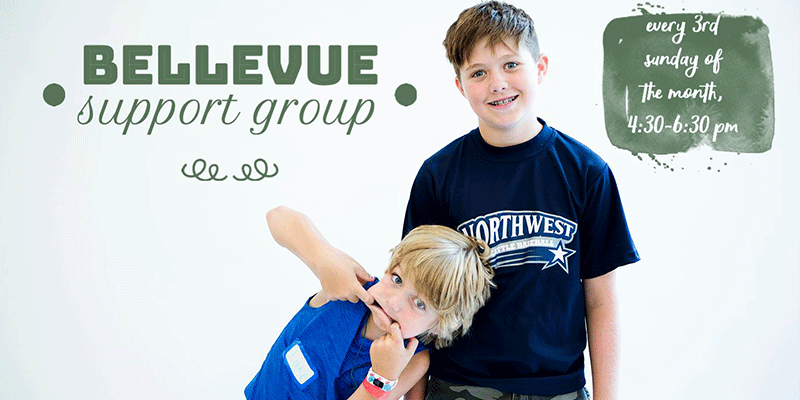
Having a gender diverse child can be very stressful for parents and caregivers, as they deal with uncertainty and navigate schools, extended families, sibling relationships, and the world around them. There are several national and international organizations that support families with gender diverse children, as well as excellent books. Many parents and siblings also find it helpful to meet with a mental health care professional or other families in a support group setting.
Resources for Parents:
- Gender Diverse & Transgender Children
- Parenting a Gender Diverse Child: Hard Questions Answered
- PFLAG
- Family Acceptance Project
- Gender Spectrum
- Trans Youth Family Allies
- Explore: Parenting (Human Rights Campaign)
- The Transgender Child: A Handbook for Families and Professionals by Stephanie A. Brill and Rachel Pepper (Cleis Press, 2008)
- The Transgender Teen: A Handbook for Parents and Professionals Supporting Transgender and Non-Binary Teens by Stephanie A. Brill and Rachel Pepper (Cleis Press, 2008)
Resources for Teachers & Schools:
- Gender Spectrum
- GLSEN
- Schools in Transitions (Gender Spectrum)
- LGBT Youth Resourses (American Physchological Association)
- Welcoming Schools (a project of the Human Rights Campaign Foundation)
- LQBTQ Resources for Professionals (Advocates for Youth)
- The Transgender Child: A Handbook for Families and Professionals by Stephanie A. Brill and Rachel Pepper (Cleis Press, 2008)
- The Transgender Teen: A Handbook for Parents and Professionals Supporting Transgender and Non-Binary Teens by Stephanie A. Brill and Rachel Pepper (Cleis Press, 2008)
Resources for Youth:
- Trevor Project
- Trans Student Educational Resources
- Youth Pride
- The Gender Book
- Living Openly: Coming Out Guides and Resources (Human Rights Campaign)
- The Gender Quest Workbook: A Guide for Teens and Young Adults Exploring Gender Identity by Rylan Jay Testa (Instant Help, 2015)
Advocacy Organizations:
- The Human Rights Campaign
- National Center for Transgender Equality
- Trans Youth Equality Foundation
- GLAD
- The Transgender Law and Policy Institute
- Lambda Legal
- For more information or help finding a support group for yourself or your child, please talk with your child’s pediatrician.
Last Updated 9/17/2018
Source American Academy of Pediatrics (Copyright © 2018)
The information contained on this Web site should not be used as a substitute for the medical care and advice of your pediatrician. There may be variations in treatment that your pediatrician may recommend based on individual facts and circumstances.
How to Understand Your Child’s Temperament(Part2)
How temperament affects children and their parents
Every child has a different pattern of the nine temperament characteristics. Many, but not all, children tend to fall into one of three broad and somewhat loosely defined categories: easy, slow to warm up or shy, or difficult or challenging. These labels are a useful shorthand, but none offers a complete picture of a child. Many parents find it more useful to think about their child in terms of the nine temperament traits.
The easy child responds to the world around him in an easy manner. His mood is positive, and he is mildly to moderately intense. He adapts easily to new schools and people. When encountering a frustrating situation, he usually does so with relatively little anxiety. His parents probably describe him as a “joy to be around.” About 40 percent of children fall into this category.
Another temperamental profile may reveal a somewhat slow-to-warm-up or shy child who tends to have moods of mild intensity, usually, but not always negative. He adapts slowly to unfamiliar surroundings and people, is hesitant and shy when making new friends, and tends to withdraw when encountering new people and circumstances. Upon confronting a new situation, he is more likely to have problems with anxiety, physical symptoms or separation. Over time, however, he will become more accepting of new people and situations once he becomes more familiar with them.
The difficult or challenging child tends to react to the world negatively and intensely. As an infant he may have been categorized as a fussy baby. As a young child he may have been prone to temper tantrums or was hard to please. He may still occasionally be explosive, stubborn, and intense, and he may adapt poorly to new situations. Some children with difficult temperaments may have trouble adjusting at school, and their teachers may complain of problems in the classroom or on the playground. When children have difficult temperaments, they usually have more behavioral problems and cause more strain on the mother and family.
It is important to distinguish a difficult temperament from other problems. For instance, recurrent or chronic illnesses, or emotional and physical stresses, can cause behavioral difficulties that are really not a problem with temperament at all
Last Updated 11/2/2009
Source Caring for Your School-Age Child: Ages 5 to 12 (Copyright © 2004 American Academy of Pediatrics)
The information contained on this Web site should not be used as a substitute for the medical care and advice of your pediatrician. There may be variations in treatment that your pediatrician may recommend based on individual facts and circumstances.
How to Understand Your Child’s Temperament(Part1)
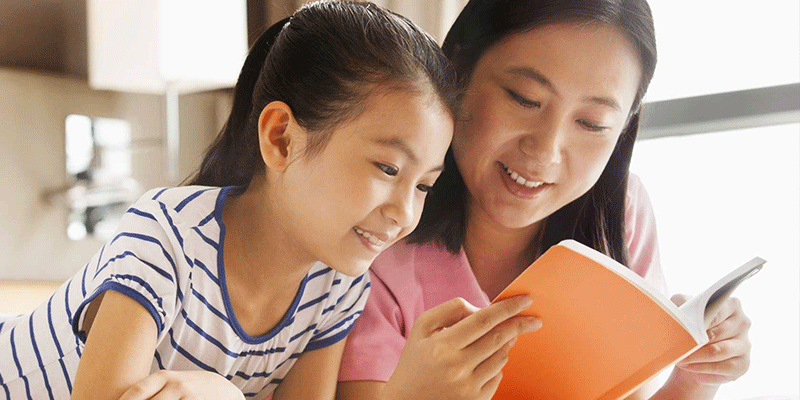
How can I better understand my child’s temperament?
Some children are “easy.” They are predictable, calm, and approach most new experiences in a positive way. Other children are more difficult, not able to manage their emotional experiences and expression with ease. When a child’s personality doesn’t quite fit or match that of other family members, it can be a challenge for everyone. Of course no child is one way all the time, but each has his own usual type.
The ease with which a child adjusts to his environment is strongly influenced by his temperament – adaptability and emotional style. For the most part, temperament is an innate quality of the child, one with which he is born. It is somewhat modified (particularly in the early years of life) by his experiences and interactions with other people, with his environment and by his health.
By the time a child has reached the school years, his temperament is well defined and quite apparent to those who know him. It is not something that is likely to change much in the future. These innate characteristics have nothing to do with your own parenting skills. Nevertheless, the behavioral adjustment of a school-age child depends a lot upon the interaction between his temperament and yours, and how others respond to him – how comfortably he fits in with his environment and with the people around him.
Characteristics of temperament
By being aware of some of the characteristics of temperament, you can better understand your child, appreciate his uniqueness, and deal with problems of poor “fit” that may lead to misunderstandings and conflicts.
There are at least nine major characteristics that make up temperament.
- Activity level:the level of physical activity, motion, restlessness or fidgety behavior that a child demonstrates in daily activities (and which also may affect sleep).
- Rhythmicity or regularity:the presence or absence of a regular pattern for basic physical functions such as appetite, sleep and bowel habits.
- Approach and withdrawal:the way a child initially responds to a new stimulus (rapid and bold or slow and hesitant), whether it be people, situations, places, foods, changes in routines or other transitions.
- Adaptability:the degree of ease or difficulty with which a child adjusts to change or a new situation, and how well the youngster can modify his reaction.
- Intensity: the energy level with which a child responds to a situation, whether positive or negative.
- Mood:the mood, positive or negative, or degree of pleasantness or unfriendliness in a child’s words and behaviors.
- Attention span: the ability to concentrate or stay with a task, with or without distraction.
- Distractibility:the ease with which a child can be distracted from a task by environmental (usually visual or auditory) stimuli.
- Sensory threshold: the amount of stimulation required for a child to respond. Some children respond to the slightest stimulation, and others require intense amounts.
Last Updated 11/2/2009
Source Caring for Your School-Age Child: Ages 5 to 12 (Copyright © 2004 American Academy of Pediatrics)
The information contained on this Web site should not be used as a substitute for the medical care and advice of your pediatrician. There may be variations in treatment that your pediatrician may recommend based on individual facts and circumstances.
Shyness in Children(Part2)
Neglected children
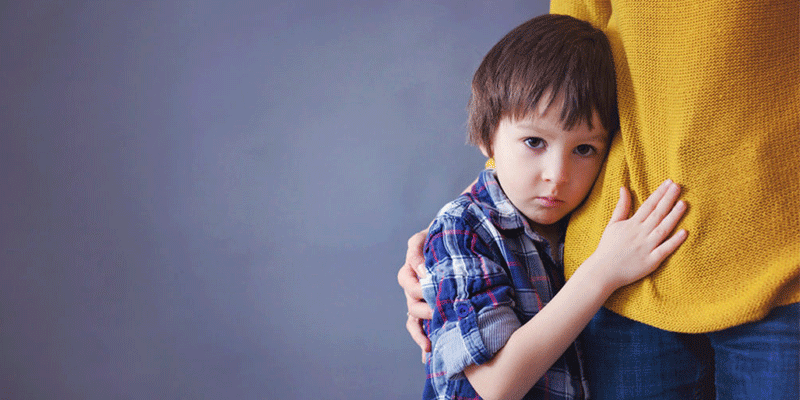
Neglected children, on the other hand, are not overtly rejected and teased but are often just ignored, forgotten, not invited to parties, and are the last ones picked for a team. These youngsters may be perceived as loners but might be passive and detest their isolation. Others may actually prefer to be alone. This latter group might be respected and admired by others but simply feel more comfortable in solitary pursuits or in spending time with parents, siblings other adults, or even pets. They may also lack the social skills and self-confidence necessary for them to enter social arenas, often because of limited social experiences. Or they may be more shy, quiet and reserved than most of their peers.
How parents can help
Successful peer interactions require a variety of skills and special ways of interacting. Parents should look for these skills in their children and help develop and model them.
- Coping with failure and frustration
- Coping with success
- Coping with change and transitions
- Coping with rejection and teasing
- Managing anger
- Using humor
- Forgiving
- Apologizing
- Refusing to accept a dare
- Thinking up fun things to do
- Expressing affection
- Avoiding dangerous situations
- Defending himself
- Comforting someone
- Sharing
- Making requests
- Self-disclosure
- Giving a compliment
- Expressing appreciation
- Coping with loss
- Sticking up for a friend
- Doing favors
- Asking for help
- Helping others
- Keeping secrets
Last Updated 11/2/2009
Source Caring for Your School-Age Child: Ages 5 to 12 (Copyright © 2004 American Academy of Pediatrics)
The information contained on this Web site should not be used as a substitute for the medical care and advice of your pediatrician. There may be variations in treatment that your pediatrician may recommend based on individual facts and circumstances.
Sleep time for a two-month baby
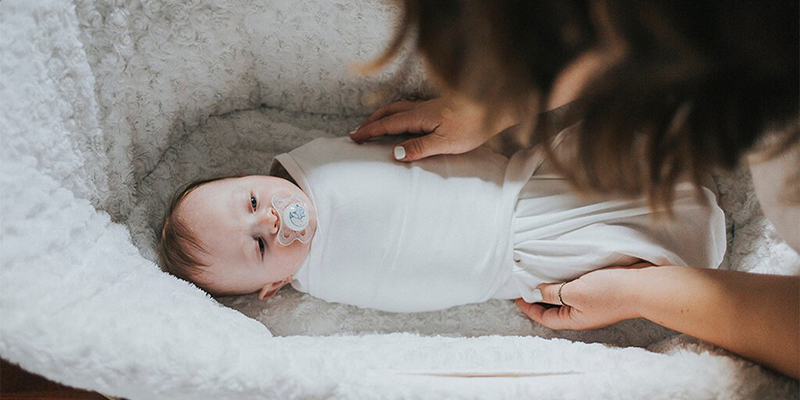
Many times, the newborn babies in our eyes are little babies who sleep after eating and wake up when they are hungry. Many adults do not understand why babies sleep most of the day. In fact, babies before the age of 3 have a long time of insomnia, and less sleep is not conducive to physical development. So, how long is the right age for a two-month baby?
According to the National Sleep Foundation’s sleep duration standards for infants and young children, a 2-month-old baby generally needs to sleep 14-17 hours a day, at least not less than 11 hours, and not more than 19 hours.
The recommended sleep time for babies 4-11 months old is 12-15 hours. It is not recommended for babies at this stage to sleep for less than 10 hours or more than 18 hours.
Babies of 1-2 years old generally need to sleep for 11-14 hours, not less than 9 hours, nor too much sleep, more than 16 hours is not recommended.
Babies aged 3-5 are suitable for 10-13 hours of sleep, with a minimum of 8 hours and a maximum of 14 hours.
For children aged 6-13, 9-11 hours of sleep is more appropriate. Children at this stage sleep less than 7 hours, or sleep longer than 12 hours.
Shyness in Children(Part1)
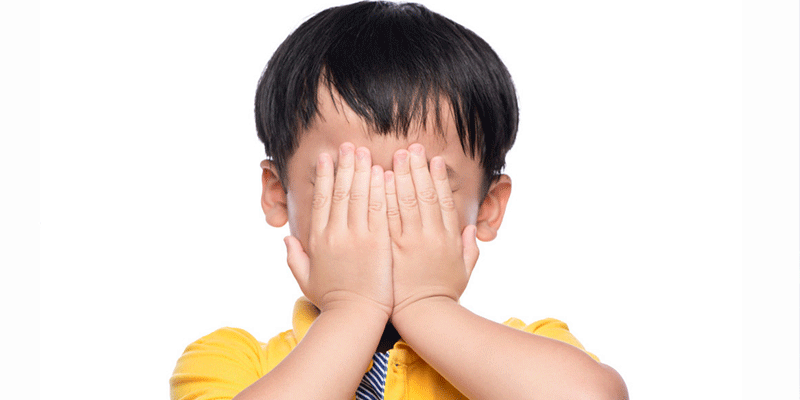
My child is shy and does not make friends easily. Should I be worried?
Although childhood shyness is commonplace, it concerns many parents, especially those who place great value on sociability. Some children become shy because of harsh life experiences, but most are born that way. For some middle-years children, social situations and interactions can be terrifying. When they come in contact with new children, they rarely feel at ease. Typically, they are unwilling or unable to make the first move, preferring to abandon a potential friendship rather than reach out to the unfamiliar. A few of these timid children may be emotionally distressed, but they are in the minority. In fact, some children are just naturally withdrawn and slow to warm up in new situations.
Severe shyness
In some cases, shyness can be disabling. Extremely shy children often do not adapt as well as most of their peers in the classroom and on the playground. The longer this pattern exists, the more difficult it is for children to change. Shyness can increasingly lead to purposeful avoidance of social settings and withdrawal, and ultimately create an inability to function effectively as a social adult. If your child’s shyness becomes debilitating, it may be caused by an anxiety disorder or a temperament pattern; then an evaluation by a child mental-health professional would be helpful.
Time to adjust
Most shy children, however, do well in relationships and in social settings once they are past an initial period of adjustment. Children who have difficulty establishing and maintaining relationships even after the ice-breaking period merit more concern and attention. Eventually, many (and perhaps most) children who are shy learn to conquer their tendency. They function in ways that are not obviously timid or reticent, although inside they may still feel shy. Parents can gently guide or direct their children into social situations in which they can learn to successfully interact.
Rejected children
Most children want to be liked, yet some are slow in learning how to make friends. Others may long for companionship but might be excluded from one group or another, perhaps picked on because of the way they dress, poor personal hygiene, obesity, or even a speech impediment. Youngsters are often rejected by peers if they exhibit disruptive or aggressive behavior. Still other children may hover on the fringes of one clique or another but never really get noticed. These neglected children spend most of their time alone.
Rejected youngsters are overtly disliked by their peers and are constantly made to feel unwelcome. They often tend to be aggressive or disruptive and very sensitive to teasing. They may be bullies and rule-violators, or they may be so unsure of themselves that they invite the rejection of others. They might also be rejected because of their impulsive and disruptive behavior. Some of them may have attention deficits or hyperactivity.
Last Updated 11/2/2009
Source Caring for Your School-Age Child: Ages 5 to 12 (Copyright © 2004 American Academy of Pediatrics)
The information contained on this Web site should not be used as a substitute for the medical care and advice of your pediatrician. There may be variations in treatment that your pediatrician may recommend based on individual facts and circumstances.
Safety for Your Child: 10 Years
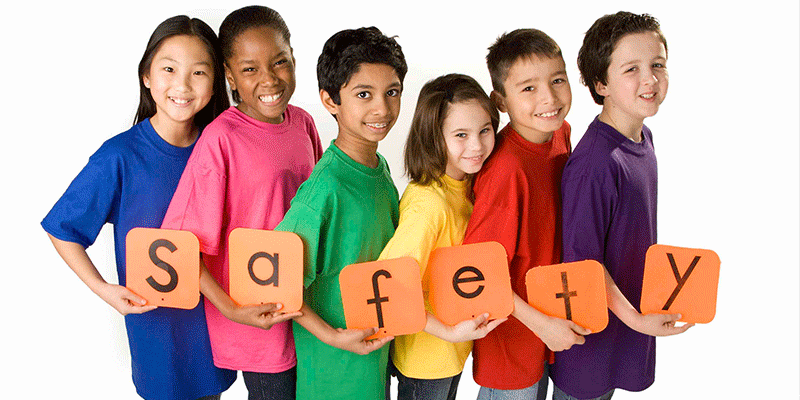
Did you know that injuries are the greatest threat to the life and health of your child? Injuries are the leading cause of death of school-aged children. Yet you can prevent most major injuries if you and your child take a few simple steps.
At age 10, children will do more things away from home. They will spend more time on a bike or in a car and will not see the need for adults to watch over them. You must take charge; you must remind your child of safety! It takes only a few steps to prevent major, common injuries.
Firearm Hazards
It is best to keep all guns out of your home. Handguns are especially dangerous. If you choose to keep a gun, store it unloaded and in a locked place, separate from ammunition. Your child is in more danger of being shot by himself, his friends, or a family member than of being injured by an intruder.
- Ask if the homes where your child visits have a gun and how it is stored.
- Talk to your child about guns in school or on your streets.
- Find out if your child’s friends carry guns.
Sports Safety
At this age your child may be playing baseball, soccer, or other sports. Ask your doctor which sports are right for his or her age.
Be sure your child wears the protective equipment made for that sport, such as:
- Shin pads
- Mouth guards
- Wrist guards
- Eye protection
- Helmets
- Ask your child’s coach what is needed.
And Remember Car Safety
Your child must buckle the seat belt EVERY TIME he or she rides in any car. Booster seats should be used until the lap belt can be worn low and flat on your child’s hips and the shoulder belt can be worn across the shoulder rather than the face or neck (usually at about 80 pounds and about 4 feet 9 inches tall). Remind your child to buckle up when riding with others. Ask your child to remind you to buckle up, too! Install shoulder belts in the back seat of your car if they are not already there. Serious injuries can happen to your child when a lap belt is used alone. The safest place for all children to ride is in the back seat.
Bike Safety
Your child may want to ride his or her bike farther away from home. Teach your child the “Rules of the Road” and be sure your child knows them. You must watch your child to be sure he or she can handle a bike safely. Make sure your child always wears a helmet while riding a bike. It is still very dangerous for your child to ride at dusk or after dark. Make sure your child brings in the bike as soon as the sun starts to set.
Emergencies
Would you be able to help your child in case of an injury? Put emergency numbers by or on your phone today. Learn first aid and CPR. Be prepared…..for you child’s sake!
Last Updated 4/8/2013
Source TIPP: The Injury Prevention Program (Copyright © 1994 American Academy of Pediatrics, Updated 11/2012)
The information contained on this Web site should not be used as a substitute for the medical care and advice of your pediatrician. There may be variations in treatment that your pediatrician may recommend based on individual facts and circumstances.
Safety for Your Child: 8 Years

Did you know that injuries are the greatest threat to the life and health of your child? Injuries are the cause of death of school-aged children. Yet you can prevent most injuries!
At age 8, children are now taking off on their own. They look to friends for approval. They try to do daring things. They may not want to obey grown-up rules. But your child can learn safety rules with your help and reminders. Your child now goes out more without you and could drown, be hurt on a bike, or be hit by a car. And your child still can be hurt or killed while riding in a car if he is not buckled by a seat belt.
Sports Safety
Ask your doctor which sports are right for your child. Be sure your child wears all the protective equipment made for the sport, such as shin pads, mouth guards, wrist guards, eye protection, or helmets. Your child’s coach also should be able to help you select protective equipment.
Water Safety
At this age, your child is not safe alone in water, even if he or she knows how to swim. Do not let your child play around any water (lake, stream, pool, or ocean) unless an adult is watching. Never let your child swim in canals or any fast-moving water. Teach your child to always enter the water feet first.
And Remember Bike Safety
Make sure your child always wears a helmet while riding a bike. Now is the time to teach your child “Rules of the Road.” Be sure he or she knows the rules and can use them. Watch your child ride. See if he or she is in control of the bike. See if your child uses good judgment. Your 8-year-old is not old enough to ride at dusk or after dark. Make sure your child brings the bike in when the sun starts to set.
Car Safety
NEVER start the car until you’ve checked to be sure that your child is properly restrained in a booster seat. Your child should use a booster seat until the lap belt can be worn low and flat on the hips and the shoulder belt can be worn across the shoulder rather than the face or neck (usually at about 80 pounds and about 4 feet 9 inches tall). Be sure that you and all others in the car are buckled up, too. Install shoulder belts in the back seat of your car if they are not already there. Serious injuries can occur with lap belts alone. The safest place for all children to ride is in the back seat.
Firearm Hazards
It is best to keep all guns out of your home. If you choose to keep a gun, store it unloaded and in a locked place, separate from ammunition. Ask if the homes where your child visits or is cared for have guns and how they are stored. Your child is at greater risk of being shot by himself, his friends, or a family member than of being injured by an intruder.
Last Updated 4/8/2013
Source TIPP: The Injury Prevention Program (Copyright © 1994 American Academy of Pediatrics, Updated 11/2012)
The information contained on this Web site should not be used as a substitute for the medical care and advice of your pediatrician. There may be variations in treatment that your pediatrician may recommend based on individual facts and circumstances.


