Safety for Your Child: 6 Years

Did you know that injuries are the greatest threat to the life and health of your child? Injuries are the leading cause of death of school-aged children. Yet you can prevent most major injuries!
At age 6, your child will become more independent. He or she will be able to do more things that are dangerous. Your child will try to prove that he or she is grown up. But children still aren’t good at judging sound, distance, or the speed of a moving car at this age. Your child can learn a few simple things to do for protection, but you must still be in charge of his or her safety.
Fire Safety
Make an escape plan in case of fire in your home. Your fire department can tell you how. Teach your child what to do when the smoke alarm rings. Practice what you and your child would do if you had a fire.
Do not smoke in your home. Most home fires are caused by a lit cigarette that has not been put out completely.
Install smoke alarms on every level in your house, especially in furnace and sleeping areas, and test the alarm every month. It is best to use smoke alarms that use long-life batteries, but if you do not, change the batteries once a year.
Firearm Hazards
Children in homes where guns are present are in more danger of being shot by themselves, their friends, or family members than of being injured by an intruder. Even if your child is taught never to touch a gun, if there is a gun in the house a child’s curiosity can lead to severe injury or deathIt is best to keep all guns out of the home. Handguns are especially dangerous. If you choose to keep a gun, keep it unloaded and in a locked place, with ammunition locked separately. Ask if the homes where your child visits or is cared for have guns and how they are stored.
Bike Safety
Protect your child from bad head injuries or even death. Make sure your child wears a properly fitted, approved helmet every time she rides a bike. Never let your child ride in the street. Your child is too young to ride in the street safely!
Street Safety
Never let your child play near the street. Your child may dart out into traffic without thinking. The park or playground is the best place to play. Begin to teach your child safe street habits. Teach your child to stop at the curb, then look to the left, to the right, and back to the left again. Teach your child never to cross the street without a grown-up.
And Remember Car Safety
Your child must now use a booster seat in the car. Always check to be sure that he or she is correctly restrained in the booster seat before you start the car. Your child should use a booster seat until the lap belt can be worn low and flat on the hips and shoulder belt can be worn across the shoulder rather than the face or neck (usually at about 4 feet 9 inches tall and between 8 and 12 years old). The safest place for all children, even through school age, is in the back seat of the car. Set a good example. Make sure you and other adults buckle up, too!
Last Updated 4/8/2013
Source TIPP: The Injury Prevention Program (Copyright © 1994 American Academy of Pediatrics, Updated 11/2012)
The information contained on this Web site should not be used as a substitute for the medical care and advice of your pediatrician. There may be variations in treatment that your pediatrician may recommend based on individual facts and circumstances.
A Pediatrician’s Training
Ever wonder how your child’s pediatrician got so smart?
Pediatricians graduate from medical school and then receive specialized training in pediatrics for three or more years during their residency. Here, the pediatrician-in-training acquires the knowledge and skills necessary to treat a broad range of conditions, from the mildest childhood illnesses to the most serious diseasese.
After completing residency training, the pediatrician is eligible to take a written exam given by the American Board of Pediatrics. If she passes this exam, she will receive a certificate, which you may see hanging on the office wall.
What does “FAAP” stand for?
If you see the initials “FAAP” after a pediatrician’s name, it means she has passed her board exam and is now a full Fellow of the American Academy of Pediatrics. This is the highest status of membership in this professional organization.
How do pediatricians become specialists?
Following their residency, some pediatricians elect an additional one to three years of training in a specialty, such as neonatology (the care of sick and premature newborns) or pediatric cardiology (the diagnosis and treament of heart problems in children).
General pediatricians often consult pediatric subspecialists when a patient develops uncommon or special problems. If a subpecialist is needed, your primary care pediatrician will help you find the right one for your child’s problem.

Last Updated 9/1/2020
Source Caring for Your Baby and Young Child: Birth to Age 5 7th Edition (Copyright © 2019 American Academy of Pediatrics)
The information contained on this Web site should not be used as a substitute for the medical care and advice of your pediatrician. There may be variations in treatment that your pediatrician may recommend based on individual facts and circumstances.
Strategies and Solutions For Handling A Difficult Child
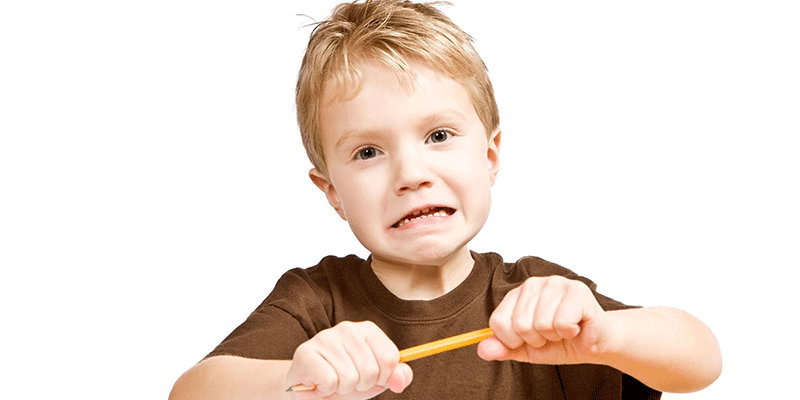
What is the best way to handle a “difficult” child?
Here are some general strategies and solutions to help you live with a youngster with bothersome temperament traits:
- First, recognize that much of your child’s behavior reflects his temperament.
- Establish a neutral or objective emotional climate in which to deal with your child. Try not to respond in an emotional and instinctive manner, which is unproductive.
- Don’t take your child’s behavior personally. Temperament is innate, and your child probably is not purposely trying to be difficult or irritating. Don’t blame him or yourself.
- Try to prioritize the issues and problems surrounding your child. Some are more important and deserve greater attention. Others are not as relevant and can be either ignored or put “way down the list.”
- Focus on the issues of the moment. Do not project into the future.
- Review your expectations of your child, your preferences and your values. Are they realistic and appropriate? When your youngster does something right, praise him and reinforce the specific behaviors that you like.
- Consider your own temperament and behavior, and how they might also be difficult. Think how you might need to adjust yourself a bit to encourage a better fit with your child.
- Anticipate impending high-risk situations, and try to avoid or minimize them. Accept the possibility that this may be a difficult day or circumstance, and be prepared to make the best of it.
- Find a way to get some relief for yourself and your child by scheduling some time apart.
- Seek professional help, when needed, from your pediatrician or another expert in child behavior.
Last Updated 11/2/2009
Source Caring for Your School-Age Child: Ages 5 to 12 (Copyright © 2004 American Academy of Pediatrics)
The information contained on this Web site should not be used as a substitute for the medical care and advice of your pediatrician. There may be variations in treatment that your pediatrician may recommend based on individual facts and circumstances.
The Disobedient Child(Part2)

Your reaction matters
If you react to your child’s talking back by exploding or losing your temper, he will respond with disobedience and disrespect. By contrast, he will become more obedient when you remain calm, cooperative, and consistent. He will learn to be respectful if you are respectful toward him and others in the family. If he becomes disobedient and out of control, impose a timeout until he calms down and regains self-control.
When your child is obedient and respectful, compliment him for that behavior. Reward the behavior you are seeking, including cooperation and resolution of disagreements. These positive efforts will always be much more successful than punishment.
When to seek additional help
For some disobedient children, you may need to obtain professional mental health treatment. Here are some situations where outside counseling may be necessary:
- If there is a persistent, long-standing pattern of disrespect of authority both at school and at home.
- If the patterns of disobedience continue in spite of your best efforts to encourage your child to communicate his negative feelings
- If a child’s disobedience and/or disrespect is accompanied by aggressiveness and destructiveness
- If a child shows signs of generalized unhappiness — perhaps talking of feeling blue, unliked, friendless, or even suicidal
- If your family has developed a pattern of responding to disagreements with physical or emotional abuse
- If you or your spouse or child use alcohol or other drugs to feel better or cope with stress
- If relationships within your family show signs of difficulty and lack of cooperation, then family therapy may be indicated. By dealing with and resolving these problems at a young age, you can minimize and even prevent more serious struggles that may emerge as your children reach adolescence. The key is early identification and treatment.
Last Updated 11/2/2009
Source Caring for Your School-Age Child: Ages 5 to 12 (Copyright © 2004 American Academy of Pediatrics)
The information contained on this Web site should not be used as a substitute for the medical care and advice of your pediatrician. There may be variations in treatment that your pediatrician may recommend based on individual facts and circumstances.
The Disobedient Child(Part1)

What can be done about a chronically disobedient child?
From time to time most children defy the wishes of their parents. This is a part of growing up and testing adult guidelines and expectations. It is one way for children to learn about and discover their own selves, express their individuality, and achieve a sense of autonomy. As they stretch their independent wings and engage in minor conflicts with their parents, they discover the boundaries of their parents’ rules and of their own self-control.
Sometimes, however, these conflicts are more than occasional disturbances and become a pattern for how parents and children interact. Disobedience can have a variety of causes. At times, it is due to unreasonable parental expectations. Or it might be related to the child’s temperament, or to school problems, family stress, or conflicts between his parents.
What parents can do?
When you have a chronically disobedient child, examine the possible sources of his inner turmoil and rebelliousness. If this has been a persistent pattern that has continued into middle childhood, closely evaluate your own family situation:
- How much respect do your family members show for one another?
- Do they respect one another’s privacy, ideas, and personal values?
- How does the family work out its conflicts?
- Are disagreements resolved through rational discussion, or do people regularly argue or resort to violence?
- What is your usual style of relating to your child, and what forms does discipline usually take?
- How much spanking and yelling is there?
- Do you and your child have very different personalities and ways of getting along in the world that cause friction between you?
- Is your child having trouble succeeding at school or developing friendships?
- Is the family undergoing some especially stressful times?
If your child has only recently started to demonstrate disrespect and disobedience, tell him that you have noticed a difference in his behavior and that you sense he is unhappy or struggling. With his help, try to determine the specific cause of his frustration or upset. This is the first step toward helping him change his behavior.
Last Updated 11/2/2009
Source Caring for Your School-Age Child: Ages 5 to 12 (Copyright © 2004 American Academy of Pediatrics)
The information contained on this Web site should not be used as a substitute for the medical care and advice of your pediatrician. There may be variations in treatment that your pediatrician may recommend based on individual facts and circumstances.
Precautions for holding a newborn

1. Before holding the baby, mothers should wash their hands and remove the rings and jewelry on their hands to avoid scratching the baby’s delicate skin. If your hands are cold, warm your hands before holding your baby.
2. When holding the baby, the movements should be gentle, not too fast or too fierce, even when the baby is crying, do not panic. Most babies like their mothers to hold themselves in a steady way, which makes them feel safe, and a sudden vigorous hug will make the baby panic.
3. When holding the baby, the mother should look into the baby’s eyes, and gently say “mother hug” in the mouth, which will help enhance the parent-child relationship and give the baby a sense of security.
4. At least 3 months ago, the baby’s neck strength is very weak, and he can’t support his head. It is very easy to cause head and neck injuries. Therefore, mothers should always pay attention to supporting the baby’s head when picking up and putting down the baby.
5. When holding your baby, you should not let your baby’s legs curl up, but let it straighten naturally.
6. It is best to hold the baby to the mother’s left, you can clearly feel the mother’s heartbeat, and the sense of security is greatly increased; if the mother frees her right hand, she can better deal with unexpected situations.
7. Be sure to hold your baby when he is awake, and don’t let the baby develop the bad habit of sleeping
8. When putting the baby down, move slowly and gently, and then pull out the arms after the baby is lying down. The safest position is to lie on the bed with his back down.
Circumcision(Part2)

Reasons Parents May Choose Circumcision
There are a variety of reasons why parents choose circumcision.
Medical benefits, including:
- A markedly lower risk of acquiring HIV, the virus that causes AIDS.
- A significantly lower risk of acquiring a number of other sexually transmitted infections (STIs), including genital herpes (HSV), human papilloma virus (HPV), and syphilis.
- A slightly lower risk of urinary tract infections (UTIs). A circumcised infant boy has about a 1 in 1,000 chance of developing a UTI in the first year of life; an uncircumcised infant boy has abouta 1 in 100 chance of developing a UTI in the first year of life.
- A lower risk of getting cancer of the penis. However, this type of cancer is very rare in all males.
- Prevention of foreskin infections.
- Prevention of phimosis, a condition in uncircumcised males that makes foreskin retraction impossible.
- Easier genital hygiene.
Social reasons:
- Many parents choose to have it done because “all the other men in the family” had it done or because they do not want their sons to feel “different.”
Religious or cultural reasons:
- Some groups, such as followers of the Jewish and Islamic faiths, practice circumcision for religious and cultural reasons.
Reasons Parents May Choose Not to Circumcise
The following are reasons why parents may choose NOT to have their son circumcised:
- Fear of the risks. Complications are rare and usually minor but may include bleeding, infection, cutting the foreskin too short or too long, and improper healing.
- Belief that the foreskin is needed. Some people feel the foreskin is needed to protect the tip of the penis. Without it, the tip of the penis may become irritated and cause the opening of the penis to become too small. This can cause urination problems that may need to be surgically corrected.
- Belief it can affect sex. Some feel that circumcision makes the tip of the penis less sensitive, causing a decrease in sexual pleasure later in life.
- Belief that proper hygiene can lower health risks. Boys can be taught proper hygiene that can lower their chances of getting infections, cancer of the penis, and STIs.
What If I Choose Not to Have My Son Circumcised?
If you choose not to have your son circumcised, talk with your pediatrician about how to keep your son’s penis clean. Keep in mind that the foreskin will not fully retract for several years and should never be forced. When your son is old enough, he can learn how to keep his penis clean just as he will learn to keep other parts of his body clean.
Last Updated 3/12/2013
Source Circumcision: Information for Parents (Copyright © 2007 American Academy of Pediatrics, Updated 8/2012)
The information contained on this Web site should not be used as a substitute for the medical care and advice of your pediatrician. There may be variations in treatment that your pediatrician may recommend based on individual facts and circumstances.
Newborns should hug or lie more

Hugs can give your baby a sense of security and promote parent-child communication. According to statistics, babies who hold more are generally more cheerful. However, the head and neck strength of the newborn is not enough to support independently, so it is best to let him lie down.
Frequent holding of the newborn will make the baby’s spine always bend, which is not good for the baby’s bone growth over time. Moreover, the newborn’s head is relatively large, and it is difficult for the cervical spine to support the weight of the head. If you let your baby lie flat on the bed, he can lay his body flat and reduce the burden on his neck.
If the mother wants to have parent-child communication, it is a good way to talk to the baby by the baby’s bed and touch the baby. It is not necessary to hold more.
Circumcision(Part1)

Circumcision is a surgical procedure in which the skin covering the end of the penis is removed. Scientific studies show a number of medical benefits of circumcision. Parents may also want their sons circumcised for religious, social, or cultural reasons. Because circumcision is not essential to a child’s health, parents should choose what is best for their child by looking at the benefits and risks. The following are answers to common questions about circumcision.
What Is Circumcision?
At birth, boys have skin that covers the end of the penis, called the foreskin. Circumcision surgically removes the foreskin, exposing the tip of the penis. Circumcision is usually performed by a doctor in the first few days of life. An infant must be stable and healthy to safely be circumcised.
Because circumcision may be more risky if done later in life, parents should decide before or soon after their son is born if they want it done.
Is Circumcision Painful?
Yes. However, there are pain medicines that are safe and effective. The American Academy of Pediatrics recommends that they be used to reduce pain from circumcision.
What Should I Expect For My Son After Circumcision?
After the circumcision, the tip of the penis may seem raw or yellowish. If there is a bandage, it should be changed with each diapering to reduce the risk of infection. Use petroleum jelly to keep the bandage from sticking. Sometimes a plastic ring is used instead of a bandage. This should drop off within 5 to 8 days. The penis should be fully healed in about 1 week to 10 days after circumcision.
Are There Any Problems That Can Happen After Circumcision?
Problems after a circumcision are very rare. However, call your pediatrician right away if
- Your baby does not urinate normally within 6 to 8 hours after the circumcision.
- Bleeding doesn’t stop.
- The redness around the tip of the penis gets worse after 3 to 5 days.
- Yellow discharge lasts longer than a week. It is normal to have a little yellow discharge or coating around the head of the penis in the first week.
Last Updated 3/12/2013
Source Circumcision: Information for Parents (Copyright © 2007 American Academy of Pediatrics, Updated 8/2012)
The information contained on this Web site should not be used as a substitute for the medical care and advice of your pediatrician. There may be variations in treatment that your pediatrician may recommend based on individual facts and circumstances.
Several postures to hold the baby

1. Horizontal hug
Newborns can only use horizontal hugs. When the baby is lying on his back, the mother gently inserts his left hand into his waist and buttocks, then gently places it under the baby’s head and neck with the right hand, and slowly lifts it up. Then, slowly move the right hand behind the baby’s head to the left arm, so that the baby’s head rests on the mother’s left hand. In this way, the baby’s body is supported, and the head will not fall back; letting the baby hug the mother’s arms horizontally will make him feel very comfortable and full of security.
2. Vertical hug
After the baby is two months old, it can be held upright. The vertical hold is generally used after feeding. After the baby is full, mother sits still and adjusts the baby’s position slightly so that the baby’s buttocks sit on her lap, with one hand supporting his back and the other hand supporting his head and neck . If you want to burp, you can tap your baby’s back with the hand placed on the back. This holding position helps to burp and makes your baby’s full stomach more comfortable.
3. Let the baby ride on the mother’s crotch
Older babies can adopt this holding position, which is generally used when playing with them. Let the baby and mother face to face, and sit on the mother’s crotch with the baby’s legs apart. The mothers hold his back with one hand and the baby’s head and neck with the other. At this time, if the baby feels that it is not safe enough, he will hold his mother’s arm with his little hand.
4. Stand and hold your baby
This holding position is also suitable for older babies, which can make the baby’s field of vision more open. When the mother stands up, don’t stand up straight, bend over and stand up slowly, so that the upper body and the baby will naturally separate. After standing up, the mother’s hands support the baby’s neck and back, the upper body is leaning forward slightly, and the eyes are watching the baby gently. Then, the mother can naturally place the baby’s head against her chest. Make sure that the position of your hands is on your baby’s neck and buttocks to avoid accidents if you don’t hold it firmly.
Tips for holding a newborn

The physical signs of newborns: big head, heavy head, more bones, underdeveloped muscles, and weak strength. Newborns can only raise their heads for a while and wait until 3 months before they can stand up. Due to the imperfect development of the neck and back muscles, the baby within 3 months cannot support the weight of the head for a long time. Therefore, the posture of the baby within 3 months is very particular, the key is to support the baby’s head.
For newborns, either a flat hug or an oblique hug with a smaller angle can be used. Let the newborn baby lie flat in the arms of mom and dad when holding it flat, and let the baby lie down when holding it diagonally. Whether it is a horizontal hug or an oblique hug, remember to support your baby’s head with one hand, support your baby’s head with the other hand, and support your baby’s hips and waist with the other arm. For babies who are prone to vomiting up, they should be held diagonally to prevent or reduce the degree of vomiting up.
When the baby grows up and can support his head independently, he can adopt a diagonal or upright position. The angle at which the baby tilts upward when held obliquely can be slightly larger. When the baby is held upright.
There are two positions to choose from: an upright holding position is the baby’s back facing the adult, sitting on one of the mother’s forearms, the mother’s other hand stops the baby’s chest, and the baby’s head and backrest against the adult’s The front chest; another upright holding position is to let the baby sit on one of the mother’s forearms facing the mother, the mother’s other hand supports the baby’s neck and back so that the baby’s chest is close to the mother’s front chest and Shoulders. Pick up and put down your baby gently.
Holding newborn

After the newborn is born, leaving the peaceful and warm environment in the mothers’ wombs, and suddenly coming into an unfamiliar world full of bright lights and noisy sounds, they will feel very uncomfortable and even panic.
Newborns are very susceptible to fright, especially when inexperienced parents suddenly pick up the baby, causing the baby’s neck and head to lose support, the baby often cries because of insecurity. Therefore, parents must learn to hold the newborn in the correct posture, so that the baby can get a sense of security and emotional comfort.
Holding the newborn baby will give him support and feel comfortable and relaxed all over. Close-to-body care is the first step in parent-child relationship building relationships, and it is very important for the newborn’s physical and mental development.
When a newborn is held, his vision is wider and he is stimulated more by the surrounding environment, which is good for his brain development. Letting the baby lie on the bed every day will save mom and dad, but if there is less communication with the baby, the best opportunity for early education will be lost.
On the other hand, holding a newborn is also a kind of exercise for the baby, which can stimulate the baby’s limbs and help the baby’s physical development.


