Language Delays in Toddlers: Information for Parents(Part1)
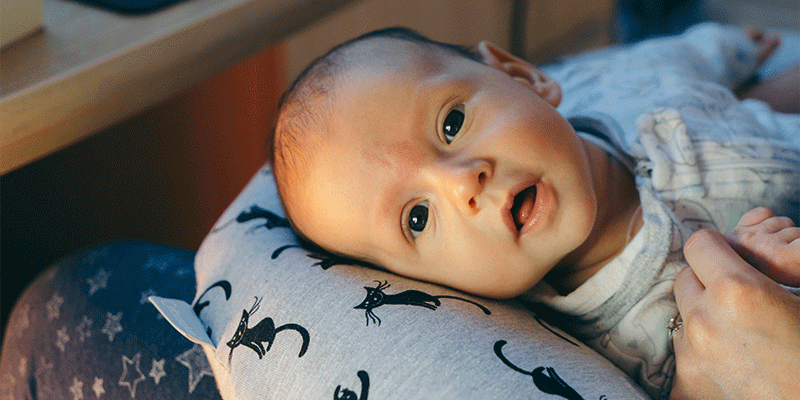
Your baby is able to communicate with you long before he or she speaks a single word! A baby’s cry, smile, and responses to you help you to understand his or her needs. Learn how children communicate and what to do when there are concerns about delays in development.
Milestones during the first 2 years
Children develop at different rates, but they usually are able to do certain things at certain ages. Following are general developmental milestones. Keep in mind that they are only guidelines. If you have any questions about your baby’s development, ask your child’s doctor—the sooner the better. Even when there are delays, early intervention can make a significant difference.
By 1 year most babies will
- Look for and be able to find where a sound is coming from.
- Respond to their name most of the time when you call it.
- Wave goodbye.
- Look where you point when you say, “Look at the _________.”
- Babble with intonation (voice rises and falls as if they are speaking in sentences).
- Take turns “talking” with you—listen and pay attention to you when you speak and then resume babbling when you stop.
- Say “da-da” to dad and “ma-ma” to mom.
- Say at least 1 word.
- Point to items they want that are out of reach or make sounds while pointing.
Between 1 and 2 years most toddlers will
- Follow simple commands, first when the adult speaks and gestures, and then later with words alone.
- Get objects from another room when asked.
- Point to a few body parts when asked.
- Point to interesting objects or events to get you to look at them too.
- Bring things to you to show you.
- Point to objects so you will name them.
- Name a few common objects and pictures when asked.
- Enjoy pretending (for example, pretend cooking). They will use gestures and words with you or with a favorite stuffed animal or doll.
- Learn about 1 new word per week between 11/2 and 2 years.
By 2 years of age most toddlers will
- Point to many body parts and common objects.
- Point to some pictures in books.
- Follow 1-step commands without a gesture like “Put your cup on the table.”
- Be able to say about 50 to 100 words.
- Say several 2-word phrases like “Daddy go,” “Doll mine,” and “All gone.”
- Perhaps say a few 3-word sentences like “I want juice” or “You go bye-bye.”
- Be understood by others (or by adults) about half of the time.
Last Updated 8/24/2020
Source Is Your Toddler Communicating With You? (Copyright © 2011 American Academy of Pediatrics)
The information contained on this Web site should not be used as a substitute for the medical care and advice of your pediatrician. There may be variations in treatment that your pediatrician may recommend based on individual facts and circumstances.
Shoes for Active Toddlers

In the early months, babies’ feet develop best if they’re not confined in shoes; socks are all that’s needed to keep their feet warm; however, once children start walking outdoors, they need shoes for protection.
Shoe Shopping Tips for Parents
- Look for comfortable shoes with nonskid soles, such as sneakers, that will help keep your toddler steady on slippery floors.
- Buy well-made shoes, but don’t spend a lot of money.
- At this stage, your child’s feet grow so rapidly that the first pair of shoes won’t last more than 2 or 3 months.
Checking the Fit
You should check the fit about once a month; the top of your child’s big toe should be about finger-width distance from the inside edge of the shoe. It’s better to have no shoes at all than shoes that are too tight.
Common Concerns from Parents
“My 15 month old is showing no signs of getting ready to walk. He shows little interest in moving about.”
- Possible cause:Developmental delay
- What parents should do: Talk with your pediatrician to arrange an evaluation of your toddler’s development.
“My child turns her toes noticeably inward when she walks.”
- Possible cause: Normal developmental stage
- What parents should do:This tendency usually disappears as your child matures. It rarely interferes with mobility. See Pigeon Toes (Intoeing).
“My child is limping. She is complaining of pain.”
- Possible cause: Injury, infection, arthritis, or another condition that requires treatment
- What parents should do:If you can’t see and remove an obvious source of pain, such as a splinter, ask your pediatrician to determine the cause of the limp.
“My child limps but isn’t complaining of pain. He walks with a waddling gait.”
- Possible cause:Neuromuscular weakness or hip joint disorder
- What parents should do:Talk with your pediatrician, who will examine your child and determine whether he should be seen by another pediatric specialist.
“My child often walks on the balls of her feet after many months of walking.”
- Possible cause:Habit or a neuromuscular problem
- What parents should do:Although normal during early walking, walking on the toes or the balls of the feet after 2 years of age should be evaluated. Ask your pediatrician to determine whether your child has a problem that requires treatment.
“My toddler has difficulty walking. He falls a lot and has trouble getting on his feet again. He uses his hands to climb up his legs when trying to stand. He tends to waddle when he walks.”
- Possible cause: Muscular dystrophy or another neuromuscular condition that requires diagnosis and treatment
- What parents should do:Call your pediatrician, who will examine your child and may refer you to another pediatric specialist. If the diagnosis is confirmed, your child will need long-term treatment. Your pediatrician will also help you find support groups for children and parents.
Last Updated 6/10/2015
Source The Big Book of Symptoms: A-Z Guide to Your Child’s Health (Copyright © 2014 American Academy of Pediatrics)
The information contained on this Web site should not be used as a substitute for the medical care and advice of your pediatrician. There may be variations in treatment that your pediatrician may recommend based on individual facts and circumstances.
Physical Appearance and Growth: Your 2 Year Old
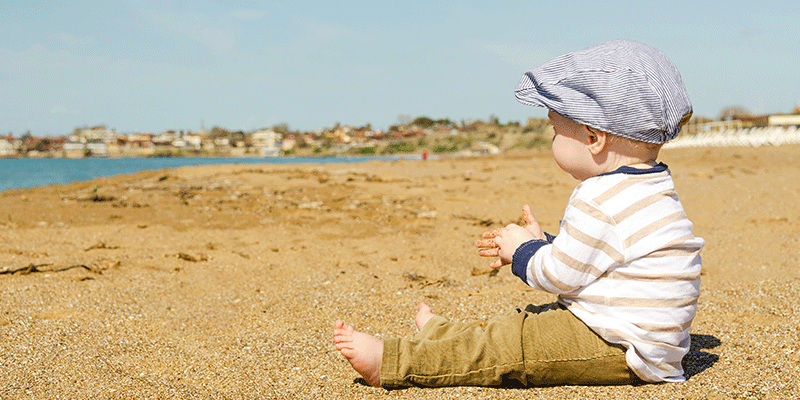
Although your toddler’s growth rate will slow between his second and third birthdays, nevertheless he will continue his remarkable physical transformation from baby to child. The most dramatic change will occur in his bodily proportions. As an infant, he had a relatively large head and short legs and arms; now his head growth will slow, from 3⁄4 inch (2 cm) in his second year alone to 3⁄4 to 1 1⁄4 inches (2–3 cm) over the next ten years. At the same time, his height will increase, primarily because his legs and, to some degree, the rest of his body will be growing quickly. With these changes in the rates of growth, his body and legs will look much more in proportion.
The baby fat that seemed to make your infant so cuddly in the first months of life gradually will disappear during these preschool years. The percentage of fat, which reached a peak at age one, will steadily decrease to approximately half that by his fifth birthday. Notice how his arms and thighs become more slender and his face less round. Even the pads of fat under the arches, which have until now given the appearance of flat feet, will disappear.
His posture will change, as well, during this time. His pudgy, babyish look as a toddler has been partly due to his posture, particularly his protruding abdomen and inwardly curving lower back. But as his muscle tone improves and his posture becomes more erect, he’ll develop a longer, leaner, stronger appearance.
Although it will happen more slowly now, your child will continue to grow steadily. Preschoolers grow an average of 2 1⁄2 inches (6 cm) annually and gain about 4 pounds (2 kg) each year. Plot your child’s height and weight on growth charts to compare his rate of growth to the average for this age. If you should notice a pronounced lapse in growth, discuss it with your pediatrician. She probably will tell you there is no need to become overly concerned, as some healthy children just may not grow as quickly during their second and third years as their playmates seem to do.
Less commonly, this pause in growth during the toddler or preschool years may signal something else—perhaps a chronic health problem, such as kidney or liver disease, or a recurrent infection. In rare cases, slow growth may be due to a disorder of one of the hormone glands or to gastrointestinal complications of some chronic illnesses. Your pediatrician will take all of these things into consideration when she examines your child.
At the age of two, don’t be surprised if your child is eating less than you think he should. Children need fewer calories at this time because they’re growing more slowly. But even though he’s eating less, he still can remain well nourished as long as you make a variety of healthy foods available to him. Encourage healthy snacks and begin establishing sound and healthful eating habits. At the same time, if he seems overly preoccupied with food and appears to be accumulating excess weight, talk to your pediatrician about ways to help manage his weight. Early eating behaviors can influence the risk of obesity throughout life, so managing your child’s weight in childhood is as important as it is at any stage of life.
Last Updated 8/1/2009
Source Caring for Your Baby and Young Child: Birth to Age 5 (Copyright © 2009 American Academy of Pediatrics)
The information contained on this Web site should not be used as a substitute for the medical care and advice of your pediatrician. There may be variations in treatment that your pediatrician may recommend based on individual facts and circumstances.
Physical Appearance and Growth: Your 1 Year Old

By the end of her first year, your baby’s growth rate will begin to slow. From now until her next growth spurt (which occurs during early adolescence), her height and weight should increase steadily, but not as rapidly as during those first months of life. As an infant, she may have gained 4 pounds (1.8 kg) in four months or less, but during the entire second year, 3 to 5 pounds (1.4–2.3 kg) probably will be her total weight gain. Continue to plot her measurements every few months on growth charts to make sure she’s generally following the normal growth curve. As you’ll see, there’s now a much broader range of what’s “normal” than there was at earlier ages.
At fifteen months, the average girl weighs about 23 pounds (10.5 kg) and is almost 30.5 inches (77 cm) tall; the average boy weighs about 24.5 pounds (11 kg) and is 31 inches (78 cm) tall. Over the next three months, they’ll each gain approximately 1 1⁄2 pounds (0.7 kg) and grow about an inch (2.5 cm). By two, she’ll be about 34 inches (about 86 cm) tall and weigh 27 pounds (12.2 kg); he’ll reach 34 1⁄2 inches (87.5 cm) and almost 28 pounds (12.6 kg).
Your baby’s head growth also will slow dramatically during the second year. Although she’ll probably gain only about 1 inch (2.5 cm) in head circumference this entire year, by age two she’ll have attained about 90 percent of her adult head size.
Your toddler’s looks, however, probably will change more than her size. At twelve months, she still looked like a baby, even though she may have been walking and saying a few words. Her head and abdomen were still the largest parts of her body, her belly stuck out when she was upright, and her buttocks, by comparison, seemed small—at least when her diaper was off. Her arms and legs were still relatively short and soft, rather than muscular, and her face had softly rounded contours.
All this will change as she becomes more active, developing her muscles and trimming away some of her baby fat. Her arms and legs will lengthen gradually, and her feet will start to point forward as she walks, instead of out to the sides. Her face will become more angular and her jawline better defined. By her second birthday, it will be hard to remember how she looked as an infant.
Last Updated 8/1/2009
Source Caring for Your Baby and Young Child: Birth to Age 5 (Copyright © 2009 American Academy of Pediatrics)
The information contained on this Web site should not be used as a substitute for the medical care and advice of your pediatrician. There may be variations in treatment that your pediatrician may recommend based on individual facts and circumstances.
Social Development: 2 Year Olds
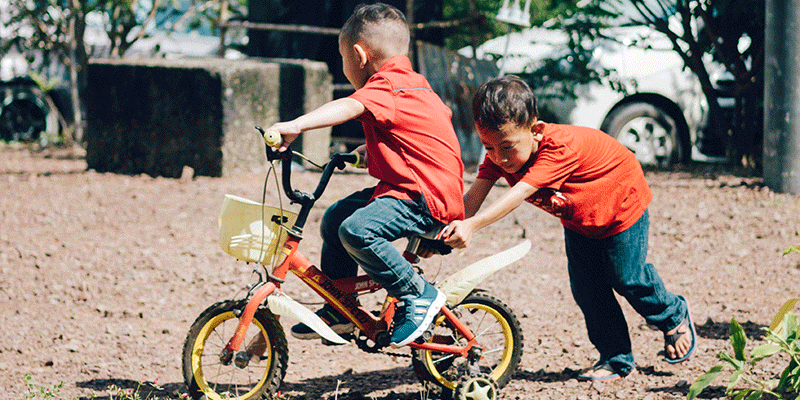
By nature, children this age can be more concerned about their own needs and even act selfishly. Often they refuse to share anything that interests them, and they do not easily interact with other children, even when playing side by side, unless it’s to let a playmate know that they would like a toy or object for themselves. There may be times when your child’s behavior may make you upset, but if you take a close look, you’ll notice that all the other toddlers in the playgroup probably are acting the same way.
At age two, children view the world almost exclusively through their own needs and desires. Because they can’t yet understand how others might feel in the same situation, they assume that everyone thinks and feels exactly as they do. And on those occasions when they realize they’re out of line, they may not be able to control themselves. For these reasons, it’s useless to try to shape your child’s behavior using statements such as “How would you like it if she did that to you?” Save these comments until your child is older; then she’ll be able to really understand how other people think and feel and be capable of responding to such reasoning.
Because your two-year-old’s behavior seems only self-directed, you also may find yourself worrying that he’s spoiled or out of control. In all likelihood, your fears are unfounded, and he’ll pass through this phase in time. Highly active, aggressive children who push and shove usually are just as “normal” as quiet, shy ones who never seem to act out their thoughts and feelings.
Ironically, despite your child’s being most interested in himself, much of his playtime will be spent imitating other people’s mannerisms and activities. Imitation and “pretend” are favorite games at this age. So as your two-year-old puts his teddy to bed or feeds his doll, you may hear him use exactly the same words and tone of voice you use when telling him to go to sleep or eat his vegetables. No matter how he resists your instructions at other times, when he moves over into the parent role, he imitates you exactly. These play activities help him learn what it’s like to be in someone else’s shoes, and they serve as valuable rehearsals for future social encounters. They’ll also help you appreciate the importance of being a good role model, by demonstrating that children often do as we do, not as we say.
The best way for your two-year-old to learn how to behave around other people is to be given plenty of trial runs. Don’t let her relatively antisocial behavior discourage you from getting playgroups together. At first it may be wise to limit the groups to two or three children. And although you’ll need to monitor their activities closely to be sure that no one gets hurt or overly upset, you should let the children guide themselves as much as possible. They need to learn how to play with one another, not with one another’s parents.
Last Updated 11/2/2009
Source Caring for Your Baby and Young Child: Birth to Age 5 (Copyright © 2009 American Academy of Pediatrics)
The information contained on this Web site should not be used as a substitute for the medical care and advice of your pediatrician. There may be variations in treatment that your pediatrician may recommend based on individual facts and circumstances.
Social Development: 1 Year Olds(Part2)

Because children this age have so little awareness of the feelings of others, they can be very physical in their responses to the children around them. Even when just exploring or showing affection, they may poke each other’s eyes or pat a little too hard. (The same is true of their treatment of animals.) When they’re upset, they can hit or slap without realizing they are hurting the other child. For this reason, be alert whenever your toddler is among playmates, and pull him back as soon as this physical aggressiveness occurs. Tell him, “Don’t hit,” and redirect all the children to friendlier play.
Fortunately, your toddler will show his self-awareness in less aggressive ways, as well. By eighteen months, he’ll be able to say his own name. At about the same time, he’ll identify his reflection in the mirror and start showing a greater interest in caring for himself. As he approaches age two, he may be able to brush his teeth and wash his hands if shown how to do it. He’ll also help dress and, especially, undress himself. Many times a day you may find him busily removing his shoes and socks even in the middle of a store or the park.
Because your toddler is a great imitator, he will be learning important social skills from the way you handle conflicts between the two of you. Model for him the way words and listening can, at least on occasion, be used to resolve conflicts (“I know you want to get down and walk, but you must hold my hand so I know you’re safe”). As an imitator, he also will eagerly participate in anything you’re doing around the house. Whether you’re reading the paper, sweeping the floors, mowing the lawn, or making dinner, he’ll want to “help.” Even though it may take longer with him doing so, try to turn it into a game. If you’re doing something he can’t help with because it’s dangerous or you’re in a hurry, look for another “chore” he can do. By all means, don’t discourage these wonderful impulses to be helpful. Helping, like sharing, is a vital social skill, and the sooner he develops it, the more pleasant life will be for everyone.
Last Updated 11/2/2009
Source Caring for Your Baby and Young Child: Birth to Age 5 (Copyright © 2009 American Academy of Pediatrics)
The information contained on this Web site should not be used as a substitute for the medical care and advice of your pediatrician. There may be variations in treatment that your pediatrician may recommend based on individual facts and circumstances.
How to Share Books with 2 and 3 Year Olds

Even toddlers can enjoy books and learn from sharing books with you. Sharing books with your children can help them learn to talk better and get them ready to listen and learn in school.
Making Books A Part of Your Child‘s Bedtime Routine:
Set aside 10 to 20 minutes with the TV off for sharing books as part of your regular bedtime routine. Regular bedtime routines started when children are young help prevent future bedtime struggles. Teaching your children how to fall asleep alone by putting them in bed awake helps prevent future night wakings.
2 Year Olds Can:
- Choose a book to share.
- Enjoy sharing the same book over and over and over again!
- Repeat some of the words and phrases you say or read.
- Ask you questions, such as: “What’s that?”
- Enjoy a trip to your local public library for Story Time or to borrow some books.
What Parents Can Do:
- Find a quiet, comfortable place for book sharing.
- Use book-sharing as a way to calm and comfort your child.
- Start a conversation by repeating an important word your child has just said, You can say: “Balloon. Lots of balloons. The girl has lots of balloons.”Then wait for your child to say something more.
- Count pictures and wait for your child to repeat the numbers after you.
- Respond with enthusiasm to your child’s questions and comments.
3 Year Olds Can:
- Name the books they want to share with you.
- Pretend to read a favorite book aloud to you.
- Tell you how a story is like things they have seen or done.
- Ask you questions about books you are enjoying together.
- “Correct”you if you skip a word or page in a favorite book.
- Tell you the story in a favorite book in their own words.
What Parents Can Do:
- Find a quiet, comfortable place for book sharing.
- Ask your child to tell you about the pictures and the story.
- Respond with enthusiasm to your child’s questions and comments.
- Ask your child to show you all the things in a picture that are alike in some way. You can say: “Can you find all the blue things?”or “Show me all the things that can fly.”
- Point out colors, shapes, numbers in their books.
- Take your child to the local public library to borrow books or to enjoy Story Time.
Last Updated 3/27/2013
Source Committee on Early Childhood (Copyright © 1994 American Academy of Pediatrics)
The information contained on this Web site should not be used as a substitute for the medical care and advice of your pediatrician. There may be variations in treatment that your pediatrician may recommend based on individual facts and circumstances.
How to Share Books with Your 15 to 17 Month Old

Even toddlers can enjoy books and learn from sharing books with you. Sharing books with your toddler can help teach them to talk and them get ready to listen and learn in school.
Making Books A Part of Your Toddler‘s Bedtime Routine
Set aside 5 to 10 minutes with the TV off for sharing books as part of your regular bedtime routine. Regular bedtime routines started when children are young help prevent bedtime struggles. Teaching young children how to fall asleep alone by putting them in bed awake helps prevent future night wakings.
15-17 Month Olds Can:
- Choose a book to share.
- Look at favorite pictures and make their own sounds for some of them.
- Point to 1 or 2 animals and make that animal’s sound.
- Pay attention to a book for a few minutes at a time.
- Laugh, squeal and jabber while enjoying a favorite book with you.
What Parents Can Do:
- Find a quiet, comfortable place for book sharing.
- Name and say a few words about the pictures your child is pointing to orlooking at.
- Imitate the sound or words your child says while looking at a picture. Then add a few more words like: “Yes, eyes. The girl has pretty eyes.”
- Make up games, while looking at pictures, like: “Where’s the girl’s nose? Where’s Mommy’s nose? Where’s your nose?”
- Name and then demonstrate actions in a book, such as “Laughing. Look at the boy laughing.”Then laugh with your child!
Last Updated 4/3/2013
Source Committee on Early Childhood (Copyright © 1994 American Academy of Pediatrics)
The information contained on this Web site should not be used as a substitute for the medical care and advice of your pediatrician. There may be variations in treatment that your pediatrician may recommend based on individual facts and circumstances.
How to Share Books with Your 18 to 23 Month Old(Part2)

Even toddlers children can enjoy books and learn from sharing books with you. Sharing books with your young children can help teach them to talk and get them ready to listen and learn in school.
Making Books A Part of Your Child‘s Bedtime Routine:
Set aside 10 to 15 minutes with the TV off for sharing books as part of your regular bedtime routine. Regular bedtime routines started when your child is young help prevent bedtime struggles. Teaching your children how to fall asleep alone by putting them in bed awake helps prevent future night wakings.
18-23 Month Olds Can:
- Choose a book to share and tell you they want “more book”or “‘nother book.”
- Point to a favorite picture and say a word or two about it.
- Look at familiar animals and make their sounds.
- Finish some sentences from books they know very well, such as: “Happy faces. Sad…….”(faces) or “Big cat, little hat. Big hat, little…….”(cat).
- Enjoy a trip to your local public library for Story Time or to borrow some books.
What Parents Can Do:
- Find a quiet, comfortable place for book sharing.
- Help your child pronounce words better by imitating their word, then pronouncing it correctly and using it in a short phrase.
- Help your child understand by speaking in slow, short sentences, and waiting for your child to take a turn talking.
- Use book sharing as a way to calm and comfort your child.
Last Updated 3/27/2013
Source Committee on Early Childhood (Copyright © 1994 American Academy of Pediatrics)
The information contained on this Web site should not be used as a substitute for the medical care and advice of your pediatrician. There may be variations in treatment that your pediatrician may recommend based on individual facts and circumstances.
How to Share Books with Your 12 to 14 Month Old(Part1)

Even babies can enjoy books and learn from sharing books with you. Sharing books with you little ones can help teach them to talk and get ready to listen and learn in school.
Making Books A Part of Your Baby‘s Bedtime Routine:
Set aside a 5 to 10 minutes with the TV off for sharing books as part of your regular bedtime routine. Regular bedtime routines started with babies help prevent future bedtime struggles. Teaching your baby how to fall asleep alone by putting him in bed awake helps prevent future night wakings.
12-14 Month Olds Can:
- Choose a book to share.
- Point to pictures they like in a book.
- Imitate some animal sounds when they look at a picture of that animal.
- Imitate your reactions to the book you are enjoying together.
- Pay attention to a book for a few minutes at a time.
What Parents Can Do:
- Find a quiet, comfortable place for book sharing.
- Name the pictures your child is pointing to or looking at.
- Help your child turn pages.
- Ask your child questions she can answer by pointing, like: “Where’s the doggie?”or “Where’s the happy baby?”or “Who says meow?”
- Imitate the sounds your child makes while looking at a picture. Then add a very short phrase, such as “‘Moo’, the cow says ‘moo’.”
Last Updated 3/27/2013
Source Committee on Early Childhood (Copyright © 1994 American Academy of Pediatrics)
The information contained on this Web site should not be used as a substitute for the medical care and advice of your pediatrician. There may be variations in treatment that your pediatrician may recommend based on individual facts and circumstances.
How to Raise Concerns about a Child’s Speech and Language Development: Do’s and Don’ts(Part2)

DON’TS
- DON’T compare siblings to each other. An older child may have been advanced for his or her age, resulting in concern when the second child is developing in a typical way. Again, look more broadly to expected developmental language milestones.
- DON’T place blame. Parents don’t cause speech and language disorders. It is inaccurate and hurtful to tell a parent he or she should have done something differently.
- DON’T give labels. Do not try to diagnose the child. Instead, describe what you see. Leave a diagnosis to a speech-language pathologist, who is specially educated for identifying communication disorders. Share what the child does well also (e.g., “I know Sarah uses a few single words, and I was curious when she should starting putting multiple words together.”)
- DON’T assume treatment is too expensive. Services may be free through the state’s early intervention program or school system, offered on a sliding scale, or may be covered in part or full by insurance. There are options for families.
- DON’T “wait and see” if the child outgrows the problem. This is probably the most important point. Speech and language delays are highly treatable. The best outcomes occur when a child is seen by a professional early. Ideally, children will be treated long before entering kindergarten—and even before age 3, when children are in their most rapid period of development. Acting early can improve academic and social success, so speak up early.
Still Have Questions?
Contact the American Speech Hearing Association (ASHA) Consumer Action Center at 800-638-8255 or contact the ASHA National Office.
Additional Information:
- Assessing Developmental Delays
- Language Delays in Toddlers: Information for Parents
- What are the Early Signs of Autism?
- Concerned About Development? How to Talk with the Doctor (PDF) (CDC.gov)
- Learn the Signs. Act Early (CDC.gov) – Aims to improve early identification of children with autism and other developmental disabilities so children and families can get the services and support they need.
Last Updated 5/1/2018
Source Copyright © 2016 American Academy of Pediatrics and American Speech-Language-Hearing Association
The information contained on this Web site should not be used as a substitute for the medical care and advice of your pediatrician. There may be variations in treatment that your pediatrician may recommend based on individual facts and circumstances.
How to Raise Concerns about a Child’s Speech and Language Development: Do’s and Don’ts(Part1)
Grandparents, friends, or neighbors who are worried about a child’s speech and/or language development may hesitate to bring it up for fear of upsetting or offending a parent. While raising any concern to parents about their child is difficult, it is in a child’s best interest to have any speech and/or language issues identified and treated as early as possible.
Below are some do’s and don’ts for talking respectfully and productively about a potential communication delay.
DO’S
- DO learn developmental milestones. Before sounding the alarm, refer to a list of speech and language milestones by age. Also look at the early signs of speech and language disorders. There may be no reason to worry. Share the milestones and your concerns with parents, especially if a child is not doing what is expected.
- In this public service announcement from the American Academy of Pediatrics (AAP), Dr. Jennifer Shu describes warning signs that a child may be missing a developmental milestone, and what to do.
- DO know that not all children are the same. At 12 months, one child may be saying one word while another may be speaking 10 or more. This variability is typical—not every child has the same communication skills at the same age. The developmental milestones account for an expected range in skills.
- If a child is learning more than one language,be sure to count words in both languages. His or her development may be different than children who are only learning one language. Also, note that learning more than one language does not cause or worsen speech or language delays.
- DO be sensitive when raising the issue. Try saying, “I saw a story on the news about children’s speech and language development…,” or phrasing your concern as a question, e.g., “What do you think of Tommy’s speech? Has he been using new words?”
- DO share your family history of speech and language disorders, if known.Some disorders have a strong genetic component (a good example is stuttering), so this is important information to share.
- DO tell parents to ask for professional assistance.Encourage parents to set up an appointment with their child’s doctor to discuss concerns. If concerns are confirmed, the doctor will make a referral for a speech and language evaluation. If the doctor is not concerned but the parents still are, the parents should trust their instincts and get a second opinion or have their child evaluated by a speech-language pathologist. A certified speech-language pathologist may determine there is no need to worry, and then the result is peace of mind. However, if there is a speech and/or language delay, it can be treated in a timely manner.
- DO provide resources to find help, if the child’s doctor has not made any referrals for a speech and language evaluation.
- If the child is less than 3 years old: Parents can access their state’s early intervention program. for a free evaluation. See What is Early Intervention?.
- If the child is 3 years or older: Parents can contact a local elementary school and ask to speak with someone who can help and have their child evaluated — even if their child does not go to that school. This is a free service provided by local school districts.
- For the assistance of a private speech-language pathologist: Search the ASHA ProFind database.
- DO be sensitive to the family’s values and norms.Individuals handle concerns about developmental delays differently based on their background, family values, and norms. There may be different approaches to how children are being raised. Be mindful and respectful of those differences as you consider talking with people outside of your family (e.g., neighbor, friend).
Last Updated 5/1/2018
Source Copyright © 2016 American Academy of Pediatrics and American Speech-Language-Hearing Association
The information contained on this Web site should not be used as a substitute for the medical care and advice of your pediatrician. There may be variations in treatment that your pediatrician may recommend based on individual facts and circumstances.


