What to do if the baby throws up milk

1. First of all, when spilling milk occurs, mothers should pay attention to whether their breastfeeding volume has exceeded. The amount of milk that the baby eats into the stomach is too much to be fully absorbed, so it spreads out. When spending the amount, do not feed desperately for fear that the baby will not eat enough. As long as the baby is not hungry, this amount is sufficient.
2. If the baby spills milk, the mother can bring the baby’s body to the side in time. This will make the milk in the baby’s mouth flow out as soon as possible, so as to avoid sucking the remaining milk into the lungs. Wait for the baby to lie on his side before cleaning the milk from the corner of the baby’s mouth.
3. When the baby hiccups after eating, hold the baby upright, and then gently pat his back to help the baby remove the gas absorbed during the feeding process. This can also improve the condition of spilled milk.
Why does a baby throw up milk

Milk spilling is a very common phenomenon in infants. Milk spills are mainly due to the shallow stomach of the baby, and the lower third of the esophagus circular sphincter has not yet fully developed. Therefore, after feeding, the stomach swells and produces pressure, and the contraction strength of the sphincter is not strong enough to prevent the reflux of food in the stomach, so babies often spit up and overflow milk. This situation is more common in newborns.
What is spilled baby milk

The phenomenon of infant milk overflow refers to the situation that milk will flow from the corners of the baby’s mouth if the baby is allowed to lie on the bed immediately after feeding the baby. What’s more, it will spit out all the milk that was drunk. Under normal circumstances, holding the baby upright for a period of time before putting it on the bed after feeding, the milk outflow will be significantly reduced.
How to mix formula milk

Timely mixed feeding for babies is a natural growth requirement for babies. When babies are not yet at the age when they can eat complementary foods, some special milk replacers are supplemented to meet the needs of babies’ growth and development. How to mix feeding to best make babies eat happily and healthy? Moms are going to learn!
1. When the amount of breast milk cannot meet the nutritional needs of the baby’s growth and development, or the lactating mother cannot guarantee to feed the baby on time due to work, the baby must be supplemented with a cow, goat milk, or milk when the baby has not reached the age when complementary food can be added. Milk replacer to ensure the growth and development needs, that is, mixed feeding for the baby. But remember, in any case, the baby cannot give up breast milk before the age of 6 months. Other milk or milk substitutes should be used as a supplement to breast milk.
2. Let the baby eat half the amount of breast milk, then use milk or other milk substitutes to feed. This can ensure that the baby absorbs the nutritional value of breast milk, and other milks or milk substitutes are only used as a supplement to breast milk before the baby is 6 months old. Note that when feeding infant milk or milk replacer, it should be heated to a temperature close to breast milk.
3. Feed infants with breast milk and other milk or milk replacers alternately, that is, breast milk and milk are alternately fed. This method is conducive to working mothers to adjust the time automatically, and just go home on time to feed the baby’s breast milk.
After 4 and 6 months of age, babies need to add a small amount of egg yolk to ensure the iron needs of the child’s growth and development. The method is: add about 15% of the cooked egg yolk, add a little warm water to make a paste, and feed it to the baby for sucking and eating with a small spoon. You can also add little rice noodles to the paste-like egg yolk, which will taste good and the baby will eat more fragrantly.
5. In the beginning, the ingredients should not be added too much or too fast when feeding supplementary food for infants. It is more appropriate to add one supplementary material at a time. Gradually proceed according to the principle of increasing the quantity and increasing the quality from thin to thick, and slowly let the baby form a mixture The feeding habits of feeding achieve the goal of balanced nutrient absorption and healthy development of babies.
Precautions for mixed breast milk and milk powder feeding

Although the mixed feeding of breast milk and milk powder has advantages and disadvantages for the baby, the mixed feeding method of breast milk and milk powder is still one of the mixed feeding methods often used in real life. When carrying out this method of mixed feeding, the mothers have the following precautions to understand clearly.
1. Do a good job of disinfection of milk utensils. Since milk powder and other milk substitutes are prone to multiplying bacteria, they are prone to deterioration, which can cause indigestion. Therefore, we must first do a good job in the sterilization of milk utensils and the preservation of other dairy products and usually keep the sterilized milk utensils well.
2. Pay attention to hygiene when preparing milk. Wash your hands before preparing milk; use funnels to divide the sterilized milk into bottles, cover them with sterile towels, and put them at 10. Keep refrigerated below C, and warm it with boiling water when eating.
3. The temperature should be appropriate when feeding. Before feeding, you can drop the milk on the back of your hand or stick the milk bottle on your cheek to test the temperature, so as not to feel hot or cold.
4. Mothers should not change the milk powder easily, otherwise, it is easy to cause the baby’s anorexia. If you really want to consider replacing milk powder for your baby, you must take a progressive approach to replace it.
5. When breastmilk and powdered milk are mixed feeding, if Baoma’s milk is still relatively sufficient, breastfeeding should be the mainstay, supplemented by mixed milk feeding. Of course, the increase of milk powder still needs to be operated in accordance with the specific conditions of the baby’s month age and the degree of breast milk deficiency.
Breast milk and milk powder mixed feeding method

How to mix breast milk and milk powder is a problem that many novice mothers are struggling with. In fact, this is mainly related to the mixed feeding method of breast milk and milk powder. As long as the new mothers master the mixed feeding method, it will not be difficult for the baby to feel comfortable and healthy.
There are two main methods of mixed breast milk and milk powder feeding. For detailed operations, please refer to the following:
Method 1: Complementary Teaching Method
Breast milk first, and then a certain amount of formula milk powder. This is called the supplementary method and is suitable for babies 6 months ago. Its characteristic is that the baby sucks breast milk first so that the mother’s breasts are stimulated on time to maintain the secretion of milk; each time the breast milk is insufficient, the milk powder is used to make up the insufficient amount. For example, a 3-month-old baby should breastfeed 90ml each time, while breastmilk is only 30ml, 60ml should be supplemented.
Method 2: Substitute Teaching Method
Feeding breast milk once, feeding formula milk powder once, feeding other milk once between breastfeeding, feeding at alternate intervals, suitable for babies after 6 months. This feeding method can easily reduce breast milk. Gradually replace it with the formula milk powder, porridge, and rotten noodles, which can cultivate the baby’s chewing habit and prepare for future weaning.
Is breast milk mixed with milk powder?

It is a certain fact that the effects and nutritional effects of mixed breast milk and milk powder feeding are not as good as that of complete breast milk feeding. Therefore, some mothers will worry and say, is breast milk and milk powder mixed feeding well? Is this method advisable? What do you think of it?
Is it okay to mix breast milk and milk powder? There is no absolute answer because it has both good and bad sides. Here we can only analyze it comparatively.
The bad side:
Breast milk and milk powder mixed feeding method is not easy to grasp the amount of breast milk and formula milk powder, so it is easy to cause digestive disorders in newborns, especially the first time breast milk and milk powder are mixed, which is more likely to happen. In addition, some babies may also have nipple confusion at a certain stage of mixed feeding and may refuse to eat bottle or breast milk. At this time, mothers need to be patiently guided.
Bright side:
Breast milk and milk powder mixed feeding can allow your baby to eat as much breast milk as possible. At the same time, when the total amount of milk is insufficient, ensure that the intake of sufficient milk will not affect the normal growth and development of the baby. Although this feeding method is not as effective as pure breastfeeding, it is much better than pure milk feeding. In addition, mixed feeding can ensure that the mother’s breasts can receive the baby’s sucking stimulation on time and maintain a certain amount of breast milk secretion. Some mothers can even resume exclusive breastfeeding after a period of mixed feeding their babies.
What is the name of mixed breast milk and milk powder feeding

Every mother wants to be a good and competent mother, but not everyone’s breast milk secretion is as optimistic as they think. Some mothers produce too little breast milk to meet the baby’s daily feeding needs, and mixed feeding is required at this time. Mixed feeding refers to breastfeeding, supplemented with other milk substitutes to feed the baby. Breast milk and milk powder mixed feeding is a common method used by mothers.
Breast milk and milk powder mixed feeding is a feeding method that combines breast milk and milk substitute milk powder feeding. Bao mothers can supplement the lack of breast milk after each breastfeeding, and can also use milk replacer milk powder once or several times a day, but it should be noted that mothers should not give up breastfeeding because of insufficient breast milk. Insist on breastfeeding babies for at least 6 months before feeding them completely with milk powder and other milk substitutes.
Although the effect and nutritional effects of breast milk and milk powder mixed feeding are not as good as breast feeding, this mixed feeding method can allow the baby to eat as much breast milk as possible, and ensure that the total amount of milk is insufficient. Sufficient milk will not affect the baby’s normal growth and development.
What to do if there is insufficient breast milk

Many mothers complain that I also know that breastfeeding is good for their children, but what should I do if there is really insufficient breast milk? Don’t worry, Evababe tells you what to do if there is not enough breast milk.
Breastfeeding has so many benefits, all mothers want to get more breast milk. Breastfeeding mothers and babies are happy and joyful. But many new mothers often encounter insufficient breast milk during breastfeeding. How can they make their breast milk more abundant?
1. Start milk early. Expert tip: Your baby should take breast milk within 30 minutes of birth. This is conducive to the secretion of breast milk.
2. Sucking frequently and effectively. The baby’s sucking can promote the mother’s pituitary gland to secrete more prolactin, which in turn makes the breast produce more milk. Frequent and effective sucking of babies is the best way to breastfeed. Therefore, the less mother’s milk, the more often the child must eat. Especially in the first few days after childbirth, although it seems that there is not much milk, the mother’s reflex to lactation is very strong, and the content of antibodies and other substances in the milk is the highest. Colostrum is vital to the healthy growth of the baby in the next few months .
3. The new mother keeps a happy mood, adequate rest and adequate nutrition are also great for breastfeeding. New mothers must not neglect prenatal breast care, such as nipple exercises. New mothers can also eat some soups that promote milk production, such as crucian carp soup; pig’s trotters and soybean soup; black-bone chicken soup; yam stewed hen, etc., pay special attention when supplementing commercial products, mistakenly due to obstruction of the mammary tract, excessive supplementation of nutrients causes mammary glands Excess secretion should be cleared in time.
4. Some medicines also have the effect of milking. If necessary, mothers can ask the doctor to prescribe some milking medicines for themselves.
5. The correct feeding method and holding posture are also very important.
6. Massage the points of Rugen, Shaoze and Zusanli.
In short, as long as new mothers have enough confidence, master the correct feeding method and the above precautions, I believe that your milk will be sufficient.
Breast milk storage time
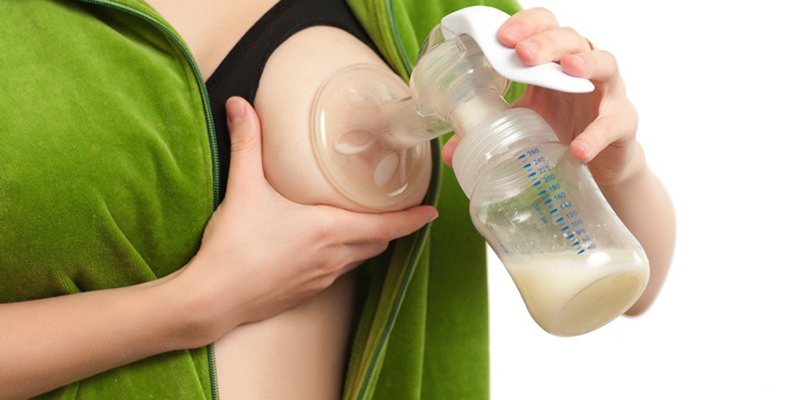
For babies, breast milk is a more natural and pure nutrient composition than milk powder. So how long can such precious breast milk be kept? The storage time of breast milk can be divided into room temperature storage time and cold storage time.
1. The storage time of breast milk at room temperature
Generally speaking, there are two types of breast milk preservation. One is that mothers work in the company because the company does not have refrigeration equipment and can only store breast milk at room temperature. Breast milk stored at room temperature has a shorter storage time. Mothers should pay attention to marking the time on the bottle of breast milk to prevent the baby from drinking expired breast milk and causing digestive tract diseases.
Breast milk storage time at room temperature:
Colostrum (milk expressed within 6 days after delivery): It can be stored for 12 hours at room temperature of 27-32°C.
Mature breast milk (milk expressed after 6 days after delivery): It can be stored at room temperature of 15°C for 24 hours; it can be stored at room temperature of 19-22°C for 10 hours; it can be stored at room temperature of 25°C for 6 hours.
2. Breast milk cold storage time:
Another situation is that the company has refrigeration equipment, or the mother squeezes out breast milk in the refrigerator in advance at home, so breast milk can be stored for a longer time. If it is not a special situation, it is best for parents not to store breast milk for too long, and try to drink fresh breast milk for the baby, so as to protect the baby’s health.
Refrigerator storage: 0-4℃ can be stored for 8 days.
If it is a small freezer box in the refrigerator compartment, the shelf life is two weeks.
If it is a freezer compartment separate from the refrigerator compartment, but often open and close the door to take the items, the storage period is 3-4 months.
If it is a deep freezer, the temperature is kept below 0℃, and the door is not opened frequently, the shelf life will be more than 6 months.
Ethernet Encyclopedia Warm Reminder: The breast milk stored in the refrigerator needs to be thawed before feeding it to the baby. You can put the container inflowing cold water, gradually increase the water temperature, and heat the breast milk to a suitable feeding temperature. Or put the container in a pot of heated water. It is best not to use microwave ovens and other equipment, which will easily destroy the nutrients of breast milk. At the same time, the heating of the microwave oven is uneven, and the milk is too cold or hot, which can easily harm the baby.
Breastfeeding considerations

Breastfeeding is very important, but there are also some behavioral and ideological misunderstandings in breastfeeding! Here are some precautions for mothers to breastfeed, hoping to reduce the chances of mothers entering into misunderstandings!
1. If there is insufficient breast milk or breastfeeding is not possible, a certain amount of formula milk powder for preterm infants can be given under the guidance of a doctor, and gradually transition to ordinary formula milk powder according to the results of the baby’s physical development.
2. When breastfeeding, most mothers have no menstruation or irregular menstruation, but it does not mean that the mother does not ovulate. Therefore, you should pay attention to contraception while breastfeeding. Strict contraception is required within 12 months after full-term vaginal delivery and within 24 months after the cesarean section. For breastfeeding mothers, contraceptive methods can choose contraceptive contraception (condom), intrauterine contraceptive contraception (choose the type that does not contain drugs), and it is not suitable to use oral contraceptives or safe period contraception. Because oral contraceptives reduce or even eliminate lactation, safe period contraception is not safe at all.
3. The vast majority of research results show that there is little possibility of the hepatitis C virus in the milk of hepatitis C women and hepatitis C antibody-positive women. They can be breast-fed, but if the nipple is bleeding, they should stop breast-feeding. It should be pointed out that there is a hepatitis virus in the saliva of hepatitis mothers, so the mothers should not give mouth-to-mouth food to their children, and they should pay attention to disinfection and isolation.
The benefits of breastfeeding

In essence, breastfeeding is extremely beneficial for both the mothers’ babies and the mothers themselves. Take care of your offspring and take care of yourself. It is necessary for mothers to understand the benefits of breastfeeding. The benefits of breastfeeding can be divided into two major aspects: the benefits to the baby and the benefits to the mother.
1. The benefits of breastfeeding for your baby
The advantages of breast milk are numerous: it is rich in nutrients, easy to digest and absorb, and the ratio of the three nutrients of protein, fat, and sugar is appropriate; breastfeeding can prevent the occurrence of intestinal infectious diseases in infants; breastfeeding can also promote the relationship between mother and child, which is beneficial to babies Healthy growth; at the same time, it can stimulate uterine contraction and promote the mother’s speedy recovery.
The specific benefits can be divided into the following aspects:
(1) Breastfeeding is conducive to the healthy growth of infants. Breast milk, especially colostrum, contains rich nutrients needed by infants. It is irreplaceable high-quality milk for any dairy product. The infant can suck breast milk, which is very beneficial to the healthy growth of infants. It can be said that Baiyi is harmless.
(2) Breastfeeding helps to strengthen the baby’s resistance and immunity. Breast milk, especially colostrum, contains a lot of antibiotics that babies need to fight infection. Therefore, if the baby sucks breast milk, the baby’s resistance and immunity are strengthened, so that the baby is less sick or not sick.
(3) Breastfeeding is conducive to the digestion and healthy development of babies. Because breast milk has many advantages, with balanced nutrition and the best ratio, it is the advantage that other foods do not have or do not have. Therefore, the use of the breastfeeding method is conducive to the digestion of the baby and is conducive to promoting the healthy development and growth of the baby.
(4) Breastfeeding is conducive to enhancing mother and child emotions. As the saying goes, mother and child are connected. New mothers can increase the love, care, and affection of their babies through the stimulation of the baby sucking the mother’s nipple. By sucking breast milk, the babies will have the warmth and closeness of the mother’s skin, and feel safe and happy.
(5) Breastfeeding is economical. Breast milk is not only beneficial to the healthy growth of babies and good for the recovery of new mothers, but it is also cheaper and economical than other feeding products.
(6) Breastfeeding can reduce infant allergies. Because breast milk is clean, safe, non-toxic, without any side effects, and has natural antibiotics, antiviral, etc., breastfeeding can greatly reduce and reduce the occurrence of various allergies in babies. If other substitutes are used for feeding, various allergies will inevitably occur, which will cause the baby to eat badly, sleep restlessly, and live uncomfortably, and affect the healthy growth of the baby.
2. The benefits of breastfeeding for mothers
Breastfeeding is conducive to the recovery of the mother’s health. New mothers have changed their bodies and spirit through childbirth. If breastfeeding can be used after childbirth, it can help the uterus of the parturient to recover and reduce vaginal bleeding, prevent postpartum anemia, and promote physical recovery. At the same time, it also helps delay the pregnancy of new mothers.
Breastfeeding can reduce the risk of women suffering from ovarian cancer and breast cancer. Studies have found that the length of time for breastfeeding a child is an important factor affecting the incidence of breast cancer in women, even exceeding genetic factors. This study shows that if women breastfeed each of their children for more than six months, they can reduce the risk of breast cancer by 5%, even if they have a family history of breast cancer.
In addition, women who breastfeed their babies lose weight faster and have more significant effects than women who use non-breastfeeding methods after delivery.


