The composition of breast milk

A correct understanding of the composition of breast milk will help mothers who do not like to breastfeed their babies to provide an opportunity to change their minds! Moms, hurry up and take a look!
Breast milk is the juice produced by the breasts of postpartum women for feeding babies. Breast milk contains nutrients such as lactoferrin, carbohydrates, proteins, fats, vitamins, minerals, fatty acids, and taurine, and is the most important nutrition in the early stage of neonatal birth. Material source. For babies, breast milk has sufficient and balanced nutrition. The breast milk contains carbohydrates, proteins, fats, vitamins, minerals, as well as fatty acids and taurine, which are important for the baby’s brain development, among which protein and fine fats The pellets are easily digested and absorbed by the baby, making the stomach comfortable.
Scientists have conducted experiments to detect microorganisms in breast milk and have found that breast milk contains more than 700 kinds of bacteria. The specific role of these bacteria is not clear, but this microbial diversity can help babies digest breast milk or promote the formation of the baby’s immune system.
This testing study also found that breast milk of overweight mothers and mothers planning a Caesarean section contained less bacterial diversity, while the composition of breast milk of mothers who had an accidental Caesarean section was similar to that of normal mothers.
What is breast milk

The so-called breast milk, in people’s imagination, is nothing more than the most natural and pure “source of milk” from mothers’ breasts. How much do you know about “breast milk”?
Breast milk is the most natural, safest, and most complete natural food for babies to grow up. It contains all the nutrients and antibodies that babies need to ensure the normal and healthy development of babies. In particular, breast milk contains 50% fat. In addition to supplying the baby’s body heat, it also meets the fat needed for the baby’s brain development. In addition, rich calcium and phosphorus can make babies grow taller and stronger; immunoglobulin can effectively prevent and protect babies from infection and chronic diseases; bifid factor and oligosaccharides can inhibit the proliferation of intestinal bacteria and help digestion.
In addition, the close contact and parent-child relationship of breastfeeding can stimulate the brain and mental development of the baby. At the same time, breastfeeding can promote the contraction of the mother’s uterus and maintain a good body. Therefore, breastfeeding is very good for the baby and the mother. Great benefit.
Some mothers give up breastfeeding due to busy work or lack of physical strength, which leads to insufficient nutrition for their babies and weaker physique. Therefore, pregnant and infant experts suggest that it is best for families with conditions to breastfeed their babies. Even professional mothers can breastfeed through methods such as breast milk preservation.
Other considerations for breastfeeding

1. Can mothers with hepatitis B breastfeed?
Breastfeeding and artificial feeding babies have the same proportion of hepatitis B infection. Breastfeeding will not increase the risk of hepatitis B infection in babies born to hepatitis B mothers. This is because babies born to hepatitis B mothers develop hepatitis B infections in the uterus or during delivery rather than during breastfeeding. The World Health Organization still ranks breast milk as the safest food with the lowest level of hepatitis B virus and the lowest risk. As early as 1997, it clearly stated that there is currently no evidence that breastfeeding of hepatitis B mothers increases the chance of infant infection, and recommends all hepatitis B mothers Breastfeeding.
Hepatitis B mothers can breastfeed
2. Is breast milk not nutritious when the aunt comes?
So far, there is no evidence that there is any change in the quality of breast milk after menstruation. Mothers who have been menstruating should continue to breastfeed but should use non-hormonal contraception. Hormonal contraceptive methods containing estrogen or progesterone will indeed change the composition of breast milk and reduce milk secretion, so it is best avoided.
3. Can I continue breastfeeding with a cold and cough?
You can continue breastfeeding if you have a cold or a fever. But it should be noted that mothers must wash their hands before breastfeeding, and wear a mask when breastfeeding to avoid infecting the child. If the mother has a high fever of 38.5 degrees or more and it persists, she should stop breastfeeding and treat it first. The mother can drink some ginger onion soup, or cold-clearing particles, which will not affect the baby.
Breast care
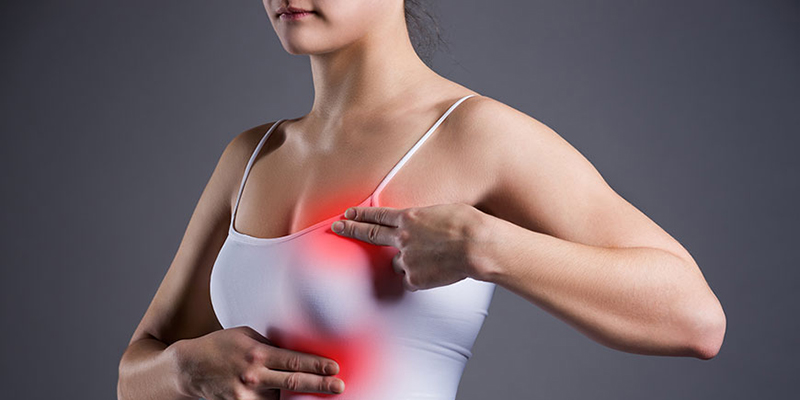
Scientific breast care is a guarantee for smooth breastfeeding. Keeping breasts (especially nipples) hygienic and preventing breast squeezing and the damage is extremely important to effectively improve the quality of lactation.
Breast hygiene care
After childbirth, it is advisable to wash the breasts with boiling water frequently, and avoid using soap, alcohol, detergents, etc., to avoid dry and cracked nipples. For those with insufficient milk secretion or breast tenderness and discomfort, massage gently to promote breast blood circulation and milk secretion. Once nipple infection occurs, positive measures should be taken in time to prevent the occurrence of mastitis.
Breastfeeding should always be washed with warm water
Fully empty the breast
Fully emptying the breast will effectively stimulate the secretion of prolactin and produce more milk. Under normal circumstances, you can express milk by hand or use a breast pump, which can fully empty the breast milk.
Anti-galactorrhea pad for spilled milk
During the breastfeeding period, mothers have enough milk and are prone to galactorrhea. At this time, using anti-galactorrhea pads can effectively keep the clothes dry and save mothers from embarrassment!
Precautions for baby care

Newborn babies have just been born and many functions of the body are still in perfect development. Therefore, care should be taken during the nursing process. In the first few months of life, the baby will spit up milk after eating. For this, novice mothers should not be too alarmed. As long as you care for it correctly, spitting up will not have a big impact on your baby’s development.
Hiccups after feeding can greatly relieve the baby’s vomiting up
Hiccups to prevent babies from spitting up milk
Many newborns will spit out milk after eating. Mothers should not put the baby on the bed immediately after feeding the baby but should lift the baby upright and let the baby’s headrest on their shoulders. Let the baby sit on his lap, hold the baby’s pillow and the back of the neck with one hand, bend the other hand, and pat the baby’s back gently to spit out the air swallowed in the stomach to prevent milk overflow. >>Wang Xiaofei burped her beloved daughter and was complained about the correct posture
Spit up baby sleeping on the side
Some babies have serious vomiting of milk. When the baby is put on the bed after feeding, it is best to let the baby sleep on his side. This can prevent the baby from choking himself when vomiting, and also prevent the milk from flowing into the baby’s ears and causing otitis media.
Breastfeeding considerations

For novice mothers, many things such as breastfeeding posture and feeding time need to be relearned and paid attention to during breastfeeding.
1. Feeding position
Correct breastfeeding posture is important for breastfeeding
When breastfeeding the baby, the mother can completely relax herself, sit or lie down in a comfortable posture, and use pillows or quilts to support herself or the baby when breastfeeding. Bring the baby close to the mother, face the mother’s breast, and the nose facing the nipple so that the baby can suck comfortably. >>[Illustration] Breastfeeding posture that can be seen at a glance Have you tried it?
2, pay attention to feeding at night
Many mothers feel very tired during confinement. In addition, they constantly feed their babies and change diapers during the day. At night, they must be more sleepy. New mothers must pay attention when feeding their babies at night. Avoid blocking your baby’s nostrils with breasts.
3. How often do I breastfeed?
Newborns are encouraged to feed on demand. They usually breastfeed every 2 to 3 hours during the day. In the first 3 months after birth, babies need to breastfeed 8 to 10 times every 24 hours. Breastfeeding often helps the mother’s body to produce more milk and prevents the breasts from being overfilled.
Premium breast milk

Breast milk is the best food for babies, and breastfeeding is a natural way for humans to feed the next generation. Breastfeeding mothers must eat well enough and have enough nutrition to have high-quality breast milk for their babies. High-quality breast milk also contains other sufficient and necessary nutrients on the basis of the basic advantages of breast milk.
As high-quality breast milk, the main nutrients it contains are: sufficient carbohydrates, which are the source of energy for mothers and babies, rice, noodles, grains, potatoes, sweet potatoes, etc. are rich in carbohydrates; high-quality protein, protein is the baby The foundation of growth and development; proper amount of fat can not only provide energy, but also provide fatty acids to participate in the baby’s brain development; sufficient minerals; essential vitamins, dark green, yellow-red vegetables and fruits, can provide vitamin A, appropriate Sun can supplement vitamin D. Lean meat, eggs, liver, whole grains, mushrooms, etc. can provide vitamin B. Fresh fruits, especially fresh dates, hawthorn, and kiwi, are rich in vitamin C.
Breast milk

The so-called breast milk, in people’s imagination, is nothing more than the most natural and pure “source of milk” from mothers’ breasts. How much do you know about “breast milk”?
Breast milk is the most natural, safest, and most complete natural food for babies to grow up. It contains all the nutrients and antibodies that babies need to ensure the normal and healthy development of babies. In particular, breast milk contains 50% fat. In addition to supplying the baby’s body heat, it also meets the fat needed for the baby’s brain development. In addition, rich calcium and phosphorus can make babies grow taller and stronger; immunoglobulin can effectively prevent and protect babies from infection and chronic diseases; bifid factor and oligosaccharides can inhibit the proliferation of intestinal bacteria and help digestion .
In addition, the close contact and parent-child relationship of breastfeeding can stimulate the brain and mental development of the baby. At the same time, breastfeeding can promote the contraction of the mother’s uterus and maintain a good body. Therefore, breastfeeding is very good for the baby and the mother. Great benefit.
Some mothers give up breastfeeding due to busy work or lack of physical strength, which leads to insufficient nutrition for their babies and weaker physique. Therefore, pregnant and infant experts suggest that it is best for families with conditions to breastfeed their babies. Even professional mothers can breastfeed through methods such as breast milk preservation.
Artificial feeding

If only breastfeeding is used to feed the baby, then this important task can only be entrusted to the mother. But if the baby adopts artificial feeding to supplement nutrition, then this task can be shared among fathers, grandparents, grandparents, etc. Artificial feeding of babies is generally when the mother is unable to feed the baby due to various reasons, using animal milk such as cow and goat milk, or other milk substitutes to feed the baby. There are also a small number of mothers who do not want to breastfeed, so they use more artificial feeding for their babies.
The main benefit of artificial feeding is that it can reduce the mother’s fatigue and allow the baby to have close contact with more family members. If artificial feeding is adopted, parents can also control the amount of breastfeeding well, and feed according to the baby’s age and different needs. If it is breastfeeding, the mother needs to feed according to the baby’s needs at any time, which is relatively tiring. If a certain amount of artificial feeding is taken, then mothers can take this opportunity to take a break, and the task of feeding is left to other parents. Then parents can feed the baby according to the needs of the baby. If artificial feeding is adopted, it is obvious how many milliliters of milk the baby eats each time, and the family can also learn more about the baby’s diet and absorption.
Causes of breast milk diarrhea

Breastfeeding causes diarrhea, which may be due to the higher content of prostaglandins in breast milk. This substance promotes the movement of the smooth muscle of the small intestine, increases the secretion of water and electrolytes, and produces loose stools.
The cause of breast milk diarrhea may be that children are intolerant to lactose and lack lactase in the body. Lactose intolerance is divided into primary and secondary categories. The amount of lactose in the stool of children can be measured by the lead acetate method for preliminary screening, and then the lactose-free diet can be used quickly to confirm the effect.
When the so-called physiological breastmilk diarrhea occurs, mothers should not be too anxious. Don’t change milk for the purpose of stool formation. If you change milk for the purpose of stool formation, it is not conducive to the child’s absorption, which may cause malnutrition and cause hunger. Sexual diarrhea.
Breastfeeding

Breastfeeding, as everyone knows, is that after the mother has given birth to the baby, she gives her milk to the baby until the baby can eat other things. Throughout the process of breastfeeding, mothers will encounter some ambiguous problems, and it is difficult for them to make choices for a while. Let’s talk about the common problems of breastfeeding mothers.
Should I buy a breast pump for breastfeeding?
It is recommended that all mothers who need breastfeeding prepare one. The breast pump can help mothers understand the baby’s milk intake and relieve the pain of mothers’ milk increase. For convenience, it is recommended to choose electricity instead of a manual.
Should I wash my nipples before breastfeeding?
This is unnecessary. The aerobic bacteria on the mother’s nipple and surrounding skin are beneficial to the baby’s physical development. If you want to clean, wipe your nipples with a wet towel before feeding.
How often do I feed breast milk?
It mainly depends on the baby’s demand for breast milk. Generally, newborns have to eat 8-12 times a day. After the baby is older, the number of feedings will decrease, but the amount of feeding each time will increase.
What should I do if there is not enough milk?
Try not to rush to feed milk powder. Mothers can drink more soup to enrich their milk, and increase the time of each feeding when feeding the baby. Under normal circumstances, the situation of insufficient milk can basically be solved.
Should I wear a bra for breastfeeding?
Although wearing a bra is indeed inconvenient for breastfeeding, mothers should wear a breastfeeding bra without steel ring, cotton, and soft underwire from the beginning of pregnancy to prevent sagging breasts.
Can I breastfeed if I am pregnant?

Because women will secrete “oxytocin” when breastfeeding, and oxytocin can cause uterine contractions. Abnormal contractions during pregnancy can pose risks to the health of the fetus. But the specific situation also varies from person to person. The following is an introduction to situations that are not suitable for breastfeeding after pregnancy.
1. Pregnant women who have been born prematurely or who need to have a fetus when they are pregnant and have multiple births.
2. Abnormal uterine contractions occurred during pregnancy, and the fetal weight in the abdomen did not increase significantly.
3. If there is bleeding during breastfeeding during pregnancy, stop breastfeeding immediately and go to the hospital for medical treatment. Do not ignore the impact of breastfeeding on the fetus in the abdomen.
4. For pregnant women who are unstable during pregnancy, it is recommended to wean their children. During pregnancy, the fetus has a high demand for various nutrients. For the safety of the pregnant woman and the fetus, the best choice is to wean the older baby.
Mothers do not need to feed their older babies during pregnancy, but formalize the breastfeeding and transform it into a means of comfort for their children. As long as the baby is held and sucked at the corresponding time, the baby can be soothed. Moms who want to breastfeed during pregnancy should also switch their diets according to the age of the baby. Don’t let the baby’s diet all depend on the mother’s breastfeeding, but treat breastfeeding as a snack for the baby.


