Nursing of newborn asphyxia

It was formally announced that the little baby who had signed on to the earth took emergency resuscitation due to lack of oxygen. The cute and fragile little guy can finally be a beautiful man after experiencing a “hard stand”. After the treatment, the baby’s resistance is even worse. What kind of care should be taken to protect this fragile body?
1. Create a quiet and comfortable environment, don’t disturb the baby, don’t hold or move him often.
2. Pay attention to keep warm, do not let the baby have dehydration fever because of overheating, and will not have neonatal scleredema because of overcooling. In winter, the temperature in the baby’s room should be kept at 18-22 degrees. The air must maintain a certain humidity.
3. Feed the baby with milk and water ratio of 1:1, 2:1 to 3:1, and milk with 5% sugar water.
4. The baby’s resistance is very low. If a little bit of bacteria invades his body, it will make him extremely painful, so don’t let too many people touch the baby to avoid bringing germs.
Symptoms of neonatal asphyxia

When the baby is hypoxic, the baby will send out the SOS signal at the beginning, such as frequent fetal movement and strong fetal movement, which may indicate that the fetus has insufficient oxygen. If the baby is suffocated in the uterus, the baby’s fetal heart rate will increase and feces will be excreted. The amniotic fluid may be contaminated with meconium and turn yellow-green. The suffocation worsens, the baby’s heart rate slows down, the fetal heart rate weakens and is irregular, and finally disappears. Asphyxiation after childbirth is generally classified according to the degree of asphyxia, mild asphyxia asphyxiation, severe as pallor asphyxia.
The manifestations of bruising and pale suffocation are:
Skin: Cyanosis; pale.
Heartbeat: Heart sounds are strong; slow at the beginning, weak and irregular at the end.
Breathing: Very shallow breathing or intermittent breathing; almost insensible.
Response to stimuli: yes; no.
Muscle tension: normal or enhanced; relaxation or disappearance of anal relaxation.
After the baby is suffocated and undergoes emergency resuscitation after childbirth, the baby will get better, with loud crying, red skin, and movement of limbs. Some babies will also be in shock, with pale skin, low body temperature, cold limbs, superficial and irregular breathing, weak crying, and moaning.
Treatment of neonatal asphyxia

Asphyxiated babies need urgent resuscitation to avoid damage to multiple organs. The most important thing for baby suffocation recovery is to ventilate the baby so that the baby can absorb more oxygen, but it also depends on the situation. Sometimes blindly absorbing oxygen for the baby will backfire. Babies should start asphyxiated in five ways: clear the airways, establish breathing, increase ventilation, maintain normal circulation, ensure adequate stroke volume, and medication.
The emergency resuscitation treatment for suffocation of the baby is summarized into 5 points:
1. Try to remove mucus from the respiratory tract.
2. Increase ventilation to ensure oxygen supply.
3. Ensure that there is sufficient stroke volume.
4. Correct acidosis.
5. Keep warm and reduce the consumption of oxygen.
How to make caramel soft cookies.
Homemade caramel soft cookies may not be as gorgeous as in the window, but the passion is priceless. The fragrant caramel and the softness of the soft cookies can definitely help you conquer the heart of the male god in one fell swoop. Girls, what are you waiting for? Follow Eva to make caramel soft cookies.
Ingredients: 100g low-gluten flour, 3g baking powder, a pinch of salt, 20g unsalted butter, 10g milk, 40g fine sugar, 50g whipped cream, and a teaspoon of water.
method:
- Making caramel sauce: 30g fine sugar and 1 teaspoon of water are heated in a milk pot, turn off the heat when the sugar shows a uniform caramel color, add 50g of boiled whipped cream, stir well, let cool for later use;
- Put 100g low-gluten flour, 3g baking powder, a pinch of salt, 10g fine sugar into a mixing bowl, add 20g butter cut into small pieces, flatten with your fingers and rub your palms together to form a sand-like oil surface ;
- In the previous step, add caramel sauce, stir evenly with a spatula, add 10g of milk and cut into a whole moist dough;
- Take the dough out of the mixing bowl, place it on the operating table and press it into a noodle by hand, cut it from the middle with a spatula, stack the two halves of the noodle together and press again, repeat the action 2~3 times;
- Shape the dough into a rectangular parallelepiped with a side length of 8*12cm, cut into 8 equal parts, place them on a baking tray lined with greased paper, and send them to a preheated 200-degree oven for 15-20 minutes.

Causes of neonatal asphyxia
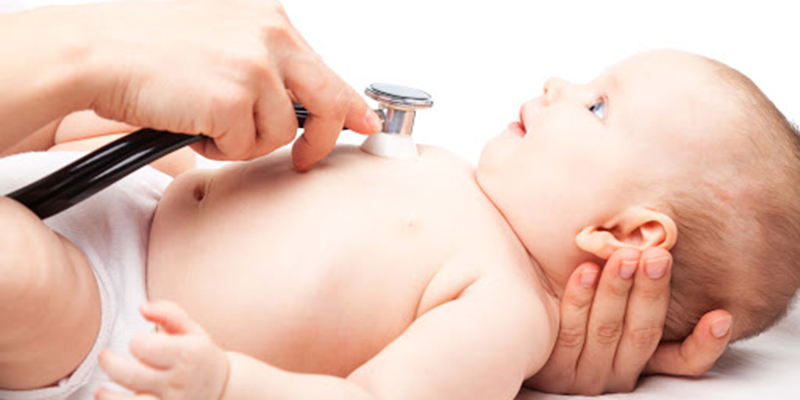
Decreased blood oxygen concentration can cause suffocation. In other words, any factor that reduces blood oxygen concentration is the cause of suffocation. The suffocation of the baby is closely related to the environment in the mother’s stomach and the delivery process. If there is a lack of oxygen during childbirth, the carbon dioxide in the blood of the fetal baby stimulates the respiratory center, which will cause it to have a strong breathing action, and the laryngeal sphincter loses its barrier function and inhales large amounts of amniotic fluid, causing suffocation during delivery or suffocation after delivery.
If the baby’s breathing center is paralyzed, the baby will not be able to spontaneously or establish effective breathing. Baby suffocation is closely related to the physical condition of the pregnant mother. Pregnancy-induced hypertension, aura, acute blood loss, severe anemia, heart disease, acute infectious diseases, tuberculosis, etc. will reduce the blood oxygen concentration of pregnant mothers and affect normal health. The baby will be affected by oxygen supply.
Multiple pregnancies, excessive amniotic fluid, excessive uterine expansion or early placental separation, placenta previa, insufficient placental function, etc. will affect the blood circulation between the placenta and suffocate the baby. At the same time, the umbilical cord can be wound around the neck, knotted, or prolapsed, which can interrupt the blood flow of the cord. Or the delivery of oxygen is blocked; prolonged delivery time, abnormal labor force, premature rupture of the amniotic membrane, disproportion of the head and pelvis, various surgical procedures such as forceps, improper treatment of internal rotation, and improper application of anesthesia, analgesia, and birth-inducing drugs can all cause the baby Asphyxia; neonatal airway obstruction, intracranial hemorrhage, immature lung development, severe central nervous system, cardiovascular system malformations, and the diaphragmatic hernia can also cause suffocation after birth.
How to prevent fever in newborns
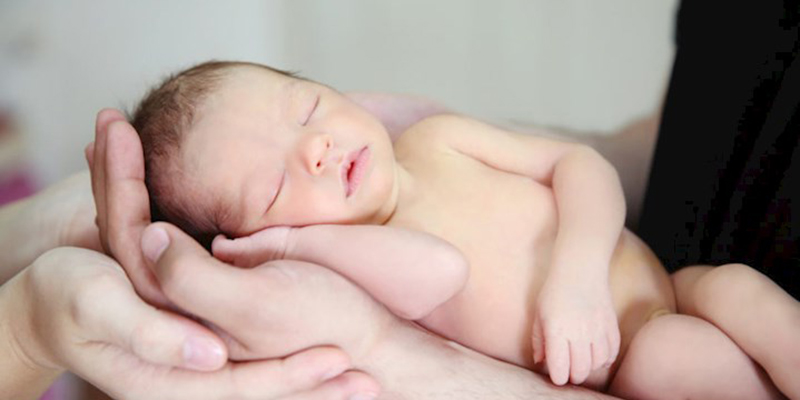
To prevent fever in newborns, mothers need to pay more attention to their daily care. Feel the baby’s body temperature more at ordinary times and pay attention to whether the baby is feverish. If in doubt, a thermometer can be placed under the armpit, mouth, or anus for examination. If the temperature exceeds the normal temperature, the baby is considered to be hot. If you don’t have a thermometer, you can touch your baby’s forehead with your lips to see if there is any fever. Due to the high temperature of the oral cavity of the child with fever, the mother can feel whether there is a burning sensation in the teat during breastfeeding. Once the baby is found to be feverish, take measures in time.
Precautions for newborn fever

1. Physical cooling should be the main method when newborns have fever, and do not use antipyretic drugs lightly. If you really want to use drugs, it must be done under the guidance of medical staff.
2. If the room temperature of the baby is too high, try to lower the temperature, and at the same time, slightly unwrap the newborn to facilitate the dissipation of heat. Don’t use the method of covering heat. If the package is too tight, the heat will not escape and the body temperature will rise further.
3. If the newborn’s body temperature exceeds 39 degrees, use a warm towel to wipe the forehead, neck, underarms, limbs and the roots of the thighs to promote heat dissipation from the skin. At this time, you should also feed your baby more boiled water to help excrete toxins.
4. Once the baby’s fever exceeds 39 degrees and there is no sign of fever after a period of time, be sure to take the baby to see a doctor immediately to see if there is any serious illness.
Does the newborn fever need to be immediately retreated?

Fever is the body’s natural response to fight disease, not the disease itself. In addition, fever is the first symptom of many diseases. Don’t rush to cool your baby until you have a clear diagnosis.
Studies have shown that various immune functions in the body are activated during fever, and the reaction is more agile than when the body temperature is normal. It is manifested by increased metabolism, increased antibody synthesis and increased phagocyte activity. These immune functions can inhibit the growth and reproduction of pathogens and help patients recover. Therefore, fever helps the human body to resist viruses and is a protective wall in our body.
When being attacked by different diseases and viruses, the human body exhibits different degrees of fever, heat duration, and heat type, which can reflect changes in the disease. Therefore, fever performance is used as an important reference for diagnosing diseases, evaluating curative effects and estimating effects. Parents should not rush to give the baby the fever, which will affect the doctor’s diagnosis. Find the cause of fever in children, parents should not drop their body temperature rapidly
Newborn fever reduction method

1. Physical cooling method
1. Cold compress: The body temperature of the whole body or a certain part is lowered by cooling. The principle of cold compress is to cool the body part at the beginning to make the blood vessels of the part constrict, and then expand, the heat is radiated to the whole body through conduction, which can achieve the purpose of cooling down. Generally, cold compresses on the head are the most common. A palm-sized pocket is made of an impermeable material film such as a rubber cloth or a thin plastic film, which is filled with ice water or small ice cubes. Place ice packs on your baby’s forehead, neck, armpits, thighs, etc. It may also be made into a cap-shaped ice pack and put on your baby’s head, made into a pillow like a pillow, or soaked in cold water with a towel Squeeze dry and put a cold compress on the forehead. Note that when the ice pack is applied locally, it should not last too long, otherwise it may cause ischemia, hypoxia and frostbite. You can also use antipyretic stickers to reduce fever, which is more convenient.
2. Appropriate air blow: Fever does not mean that you have to cover it tightly. Appropriate air blow to your baby can accelerate the emission of body temperature and help reduce fever. But be careful not to aim at a certain part of the baby to blow the air, otherwise, it will cause a certain part of the baby to be exposed to wind. You can use an electric fan to blow off the wind or use a shaking head electric fan to blow the air. The wind cannot be too strong and the time cannot be too long. The blowing method is suitable for summer, and can only be used by babies with good physical fitness and high body temperature.
3. Environmental cooling: In the high-temperature season, when the indoor temperature is high, you can pour cold water on the ground, mop the floor with cold water, or start the air conditioner to accelerate indoor ventilation and lower the room temperature, which can help heat the baby with high heat. Don’t cover your baby to death. Untie or take off your baby’s clothes will help dissipate heat.
4. Rubbing with warm water: warm water can dilate and congest blood vessels and improve blood circulation. The heat in the body can be dissipated by conduction. At the same time, it can reduce tissue hypoxia, increase metabolism, reduce the baby’s feeling of pain, and make tissues Relaxation can relieve the pain caused by muscle cramps and stiffness. The mother cools the boiled water to 32℃-36℃ water, soak the towel and wipe the baby’s whole body skin. After rubbing it once, you can stop for a while, and rub it a second time after the moisture on the skin has evaporated, until the body temperature drops significantly. Remember not to use diluted alcohol to bath your baby, it will cause your baby’s body temperature to drop too quickly.
5. Take a warm bath: giving your baby a Sieg warm bath will also help reduce fever. You can also use the warm water mixer method to put your baby in a warm water basin. The water temperature should be 38℃. Use your left arm to support your baby’s head and shoulders. Keep your baby’s head out of the water and lie down in poverty. 5-10 Take the baby out in minutes, dry the water on the body, wrap it in a sheet, and take the temperature half an hour later. But be aware that premature infants and underweight infants cannot use bathing methods.
Second, the drug antipyretic method
Commonly used antipyretic drugs are aspirin, all tablets, Analgin, acetaminophen or acetaminophen. The use of antipyretics for newborns is different from adults, and the dosage should be determined according to age and weight. Paracetamol is taken orally and weighs 10-15 mg per kilogram; aspirin is taken orally, 8-10 mg per kilogram of body weight; the tablet is a mixture of aspirin and lumina, suitable for babies with a history of high fever and convulsions. 8-10 mg per kilogram of body weight; Analgin point nose, suitable for babies under 6 months, with 25% of Analgin diluted 1 time and then instilled in the nose, such as 2-6 months old babies can instill 5 10 drops.
For babies with persistent high fever, Chinese medicine Zixuesan can also be used. The most commonly used antipyretic for mothers is Merrill, that is, ibuprofen suspension, the dosage is 0.25-0.5ml/kg/time, and can be used repeatedly within 6-8 hours. Generally, use 5 ml/time for 2-3 years old. Tylenol is best for infants under three years of age, 0.4 ml/time for 0-3 months, 0.8 ml/time for 4-11 months, 1.2 ml/time for 12-23 months, 24-36 months Use 1.6 ml/time.
Note: While taking antipyretic drugs, give your baby plenty of water to help her sweat, diuresis, and detoxify. The interval between taking antipyretics should be no less than 4 hours. If you are eager to reduce fever, if you use too much medicine at a time or the interval is too short, repeated administration can make your body temperature drop too fast, sweat too much, and cause collapse.
How to judge newborn fever

Newborn fever is a common and normal body’s defense response to various harmful stimuli, which has an important stimulating effect on the immune system. Generally speaking, fever is an abnormal increase in body temperature, and the normal body temperature of a newborn can fluctuate within a certain range. If the mother finds that the baby has a short-term body temperature fluctuation, but the whole body is in good condition, it is not considered that the baby is sick.
Under normal circumstances, the axillary body temperature of newborns is generally 36-37℃; the average of the three seasons of spring, autumn and winter is 36.6℃ in the morning, 36.7℃ in the afternoon, 36.9℃-36.95℃ in the morning, and 37℃ in the afternoon in summer. When breastfeeding, after meals, exercise, crying, clothing is too thick, and the room temperature is too high, the newborn’s body temperature can temporarily rise to about 37.5℃, even occasionally as high as 38℃; on the contrary, if the baby is hungry and has low body heat, There are also some frail children who are in a state of low activity or poor warmth, their body temperature can drop to about 35 ℃, clinically it is said that the body temperature is hypothermic or the body temperature does not rise, and warm measures should be taken in time.
The best way to tell if your baby has a fever is to measure its temperature. The method of measuring body temperature also affects the real body temperature value. If the time and conditions of the body temperature test are different, the measured body temperature value will be different. For example, the values measured on the axillary surface, oral surface and rectal surface differ by about 0.5℃, namely The axillary surface was the lowest and the anal surface was the highest. The axillary temperature should be measured in 5 minutes, not more than 10 minutes, the body temperature will gradually increase over time. If there is local inflammation in the mouth and anus, the measured value is higher, but the value measured by the armpit meter in a cold environment may be lower. Therefore, for the suspected fever of the baby, the mother should carefully check the body according to the environmental changes. Accuracy.
Fever can be divided into four categories: low fever: less than 38°C. Moderate heat: 38°C-39°C. High fever: 39℃-41℃. Extreme heat: greater than 41°C. Because newborns have better tolerance to fever and show little response, sometimes the body temperature can suddenly rise as high as 40 ℃ when catching a cold. The body temperature of older babies tends to stabilize. If the baby’s body temperature rises suddenly, the body is in the poor physical condition and there is no energy, it often reflects the occurrence of more serious diseases. If the baby has a fever for more than 2 weeks or the body temperature rises repeatedly, the mother should take the baby to the hospital in time to find out the cause carefully, so as to avoid adverse consequences.
Common causes of fever in newborns
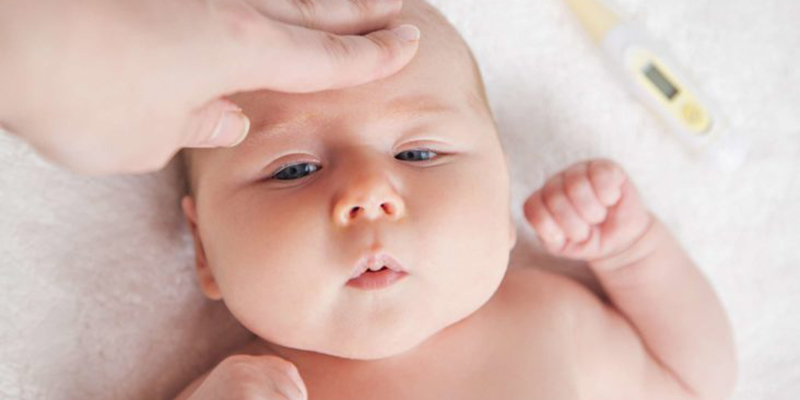
Fever is not actually a disease, but just a defense response of the human body to abnormal physical conditions. The body temperature regulation function of newborns is not perfect, heat production and heat dissipation are easy to lose balance, so body temperature is easy to fluctuate, and newborns have poor tolerance to high heat. In addition, newborns have poor resistance, imperfect body function development, and are vulnerable to bacterial viruses. The causes of newborn fever can be divided into the following categories:
1. Infectivity
Neonatal infectious fever is mostly caused by viral infections, including acute infections caused by bacteria, rickettsia, protozoa, spirochetes, molds, etc., to upper respiratory tract infections, bronchitis, pneumonia, sepsis, and various acute infectious diseases, etc. , Are common causes of fever.
2. Non-infectious
Heat production and abnormal heat dissipation: excessive heat production caused by convulsions and status epilepticus; heat dissipation difficulties due to generalized ichthyosis, generalized dermatitis, and anhidrosis; or abnormal heat dissipation system caused by parents wrapping too much clothing.
A large amount of blood loss or water loss: If the baby loses a lot of blood due to trauma, the effective blood circulation can be reduced and the heat dissipation will be hindered, so the body temperature will rise. Rise.
Biological agents or drug reactions: It usually occurs during the treatment of certain diseases, such as allergies after the use of serum, vaccines, foreign proteins or certain drugs (such as sulfa, barbiturates, etc.).
Central regulation disorders: Neonatal neurodevelopment is not complete, and certain functional hypothermia and central body temperature regulation disorders will occur. In summer, the indoor temperature is too high, the newborn sweat glands are relatively underdeveloped, and the heat dissipation is poor, which can easily lead to fever.
Sterile tissue is destroyed or necrotic: such as leukemia, intravascular embolism, burns, fractures, hematomas, absorption of blood in the abdominal or thoracic cavity, etc.
Other reasons: such as dehydration fever. Dehydration fever is caused by insufficient water feeding and the baby is severely dehydrated. The fever will continue for several hours and then gradually disappear. It can also have fever several times a day, but it is rare for people who have a fever for more than dozens of days. In addition, if the newborn has kernicterus, intracranial hemorrhage, etc., it can cause fever.
Expressing Breastmilk On The Job(Part2)

As you adjust to your new routine, you’ll learn ways to integrate your pumping schedule into your day. This will become easier as your co-workers grow used to your brief absences one to three times per day and see that you can still be productive in spite of them. You will learn how to slip discreetly out of a meeting that has run long and is interfering with your pumping schedule—just as another co-worker might excuse himself to visit the restroom. You may even find how easy it can be to recover from or laugh at any snafus—a milk stain on a blouse or an interrupted pumping session—with the help of supportive and empathetic friends.
As you continue to express breast milk at work, monitor how much you are producing. Diminished milk supply is a common problem for employed mothers and is most often the result of skipped pumping sessions or not pumping long enough. Also, pumping may not express as much milk as a baby can get from a breastfeeding session if he is an effective nurser.
To increase your supply, pump more frequently for at least ten minutes per session, even if your milk stops flowing before then. When at home with your baby, offer him the breast at least every two or three hours. If he sleeps through the night, consider waking him at your bedtime for an additional feeding. On weekends, breastfeed exclusively and nurse whenever he shows an interest.
Once your milk production has increased again, maintain your supply by drinking an adequate amount of liquids, getting enough rest, and relaxing as much as possible during pumping sessions. Remember, cutting a session short to get back to work a few minutes earlier isn’t worth the cost in terms of your long-term breastfeeding relationship with your baby. If these suggestions don’t help, contact your pediatrician or lactation specialist for additional advice.
Last Updated 11/2/2009
Source New Mother’s Guide to Breastfeeding, 2nd Edition (Copyright © 2011 American Academy of Pediatrics)
The information contained on this Web site should not be used as a substitute for the medical care and advice of your pediatrician. There may be variations in treatment that your pediatrician may recommend based on individual facts and circumstances.


